








Introduction:Caramel notes are one of the coffee flavors beloved by many. This sweet and rich profile primarily stems from caramelization and Maillard reactions during the roasting process. This article delves into the formation principles behind caramel flavors, analyzes which regions and roast levels are more likely to exhibit this characteristic, and shares practical pour-over and espresso extraction tips. By mastering precise temperature, grind size, and pouring techniques, you can also brew captivating coffee at home with layers of caramel, cocoa, and creaminess.
When it comes to caramel, many may recall childhood treats like candied sweet potatoes, caramel pudding, or flying fish crunch ice cream. But for coffee enthusiasts, caramel notes are equally an unforgettable flavor experience.
So, where does the caramel sensation in coffee actually come from? In fact, it is closely related to chemical reactions during roasting—especially caramelization and the Maillard reaction—which create the common sweet aromas and rich aftertaste in coffee.

Caramel, as the name suggests, is the process of heating granulated sugar to around 170°C or higher, causing it to melt and gradually brown. During this process, the sugar not only darkens in color but also releases a variety of pleasant aromas such as honey, maple, caramel, roasted nuts, and chocolate. These are key contributors to what we describe as “caramel notes.”
Generally, green coffee beans contain about 6% to 9% sucrose, which forms an important foundation for the coffee’s sweetness. As roasting temperatures rise, sugar compounds gradually break down, not only bringing out these aforementioned aromas but also adding more depth to the coffee. These aromas are released during extraction and perceived through the nose and taste buds, evoking memories similar to eating caramel—this is what we refer to as caramel notes.
However, not all coffees easily exhibit pronounced caramel flavors. Compared to delicate floral notes, caramel sensations typically appear in medium-roasted coffees with bolder profiles, especially during the aftertaste and finish stages, and sometimes even hidden within the inhalation after swallowing. This sweet sensation against a mildly bitter backdrop is often described as reminiscent of caramelized sunflower seeds or roasted nuts.
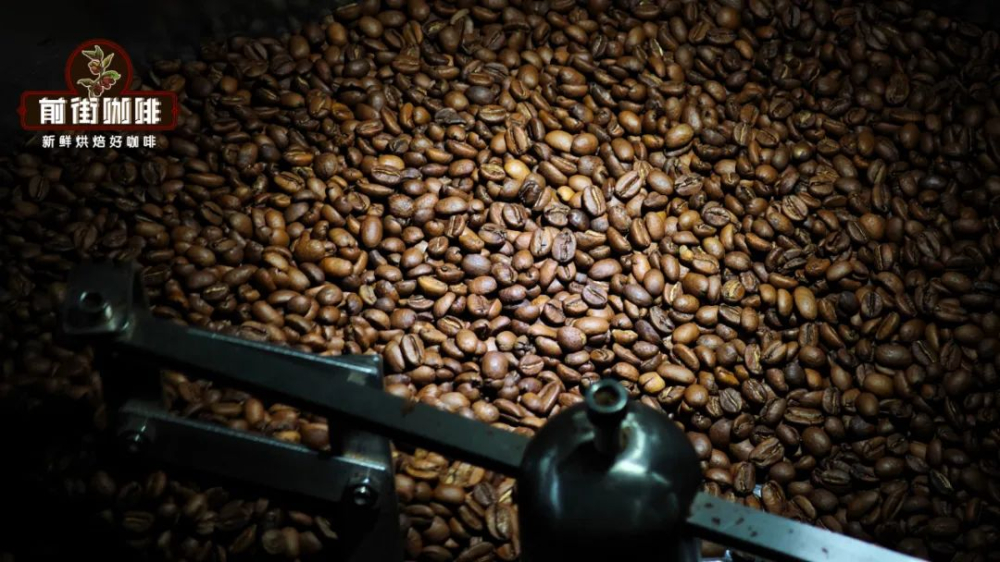
From a regional perspective, coffee beans from Central and South America often possess greater potential for caramel-like aromas due to their unique terroir and varietal characteristics. Common origins such as Guatemala, Colombia, or Brazil, when medium-roasted appropriately, can easily showcase delightful notes like toffee, maple syrup, honey, dark chocolate, and almonds.
If you prefer pour-over coffee, you might want to start with single-origin beans featuring roasted nut and caramel flavors. For those wanting to experience a milk coffee rich in caramel notes, it’s recommended to choose slightly darker roasted espresso blends. These beans usually undergo longer caramelization and Maillard reactions, resulting in lower acidity, a fuller body, and a richer crema.
So, how can you enhance caramel notes through brewing techniques? The key lies in controlling the flow rate, puck stability, and hot water contact time during extraction. It’s generally advised to use a low pour height, minimize excessive agitation, and extend immersion time to allow the mid-to-late stage flavor compounds in coffee to fully release—thereby intensifying the rounded mouthfeel of caramel, cocoa, and creaminess.
Below, using a classic medium-roast coffee bean as an example, we demonstrate a four-step pour-over process suitable for highlighting caramel notes. This method works well with a ceramic V60-style cake dripper, and it’s recommended to set the water temperature between 88–89°C, grind size to roughly sugar-like or EK43s setting 10.5, maintain a 1:16 coffee-to-water ratio, and use around 15 grams of coffee.
Step one: Use a fine stream of water to pour in a slow circle from the center outward, slowly adding 30 grams of hot water for a 30-second bloom to help the coffee grounds degas. Step two: Lower the kettle spout and pour about 80 grams of hot water in a slightly larger but steady stream, also circling from the center out, at a height of about 2 cm. Avoid disturbing the coffee bed, ensuring the water infiltrates evenly and fully soaks the grounds.
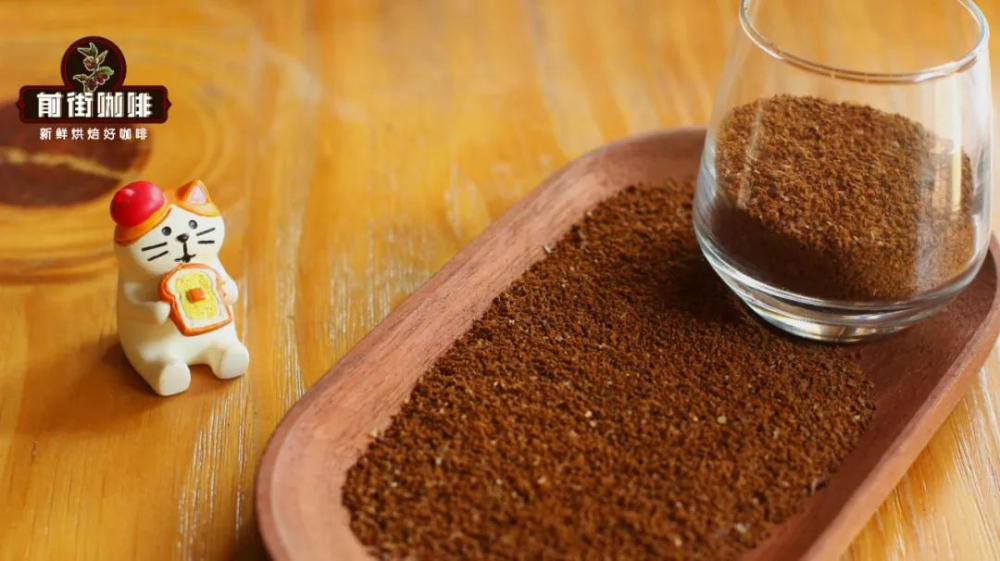
When most of the brewed coffee has drained and the time approaches 1 minute and 25 seconds, continue pouring 80 grams of water using a low water level and small stream. Maintain the same center-focused and circular pouring technique during this phase to facilitate a stable release of mid-stage sweetness compounds. Finally, when the liquid level drops to about halfway in the dripper, pour the last 50 grams of water. There’s no need to wait for all the water to drip through at this stage; aim to complete all pouring within 1 minute and 45 seconds. The total extraction time should be kept around 2 minutes and 13 seconds to fully develop the final-stage flavors.
Through this brewing method, you’ll be able to perceive distinct caramel, cocoa, and creamy notes in your cup. The cup will feel round and layered on the palate. As the temperature cools slightly, the lingering flavors of caramel and chocolate become even more pronounced. Paired with moderate fruity acidity, the overall balance is pleasing and memorable, with a warm, long-lasting aftertaste.
The above content is compiled by CoffeeHunters, a coffee news website.


