







Introduction:Did you know? The globally beloved Geisha coffee actually originates from the forests of Ethiopia, and only became a legend in the specialty coffee world after rising to prominence at Panama’s Hacienda Esmeralda. This article delves into the development journey of the Geisha variety, the geographical advantages of Panama’s core producing regions, as well as the signature processing methods of renowned farms like Esmeralda and Elida. It also offers expert pour over recommendations and grind details, helping you fully grasp the secrets of this top-tier coffee.
The reason Geisha coffee has become a standout in the specialty coffee scene is no accident. This variety, originating from the Geisha forest in Ethiopia, was discovered as early as 1931, and was later introduced to Kenya, Uganda, Costa Rica, and other regions. It wasn’t until the 1970s that it took root in Panama. However, in its early days, due to its low yield and unremarkable appearance, it was even planted as windbreaks. It wasn’t until 2004, when Hacienda Esmeralda entered it into the “Best of Panama (BOP)” competition and won the championship, that Geisha shot to fame, becoming the dream coffee for enthusiasts.
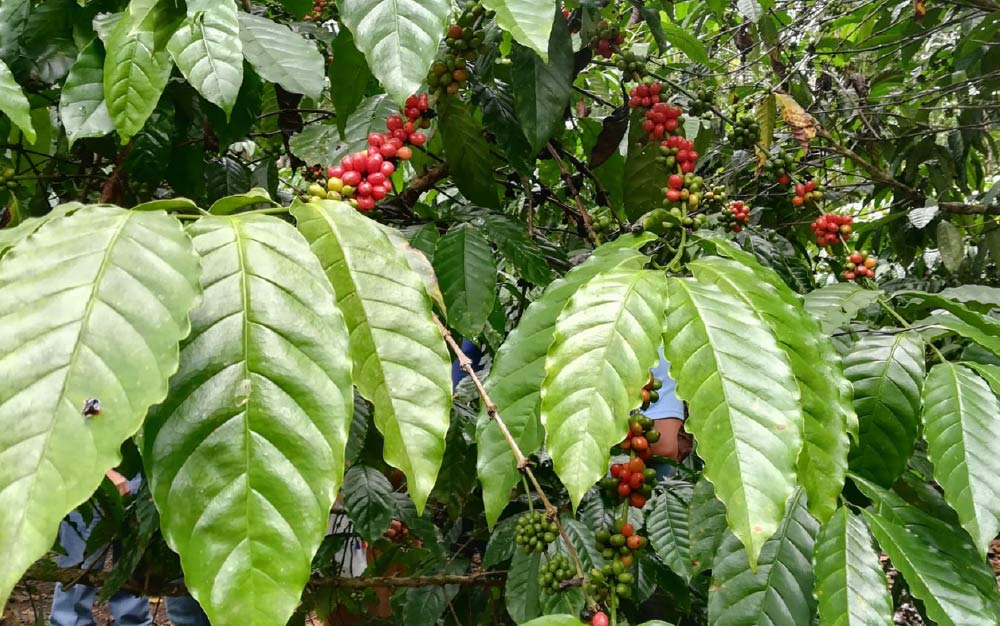
Geisha is extremely particular about its growing environment. It prefers high altitudes, foggy or shaded conditions, and cannot tolerate direct strong sunlight, while also requiring fertile soil. At high altitudes, the ripening process of coffee cherries slows down, which allows for richer and more layered flavor accumulation. Moreover, the physiological structure of the Geisha coffee plant differs greatly from that of common varieties: the leaves are thinner, photosynthesis efficiency is lower, and the root system is not robust, resulting in slow absorption of water and nutrients, leading to yields per plant that are only about half that of the Caturra variety — one of the main reasons for its high price.
Currently, Geisha has been successfully cultivated in multiple regions around the world, but the quality of those grown in Latin American countries such as Panama, Guatemala, and Colombia is particularly noteworthy. Among them, Geisha produced in Panama is regarded as the pinnacle representation of specialty coffee.
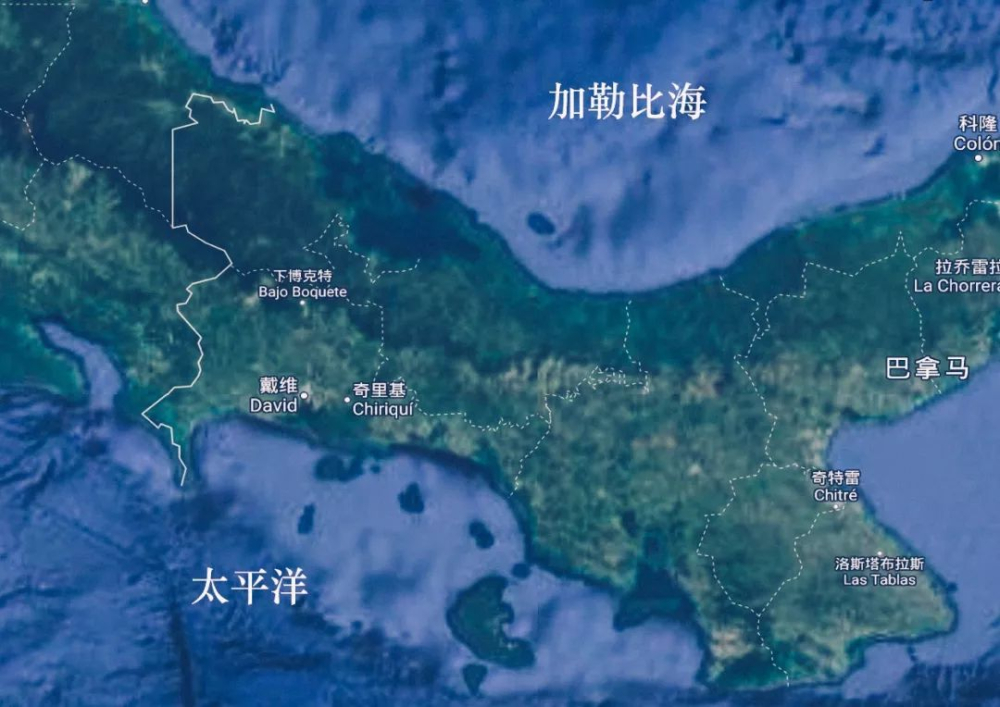
When it comes to Panamanian Geisha, one must mention the Boquete region in the province of Chiriquí. Nestled near the Barú Volcano, its volcanic soil is rich in minerals, and its unique microclimate produces coffee with rich aromas, bright acidity, sweet flavors, and a long finish. Hacienda Esmeralda, located in this area, is the key force behind Geisha’s international acclaim.
The history of Hacienda Esmeralda dates back to 1964, when the first-generation owner, Rudolph Peterson, purchased a ranch in Boquete, originally focusing on dairy production. It wasn’t until 1973 that his son, Price Peterson, abandoned his doctoral degree, returned home to help manage the farm, and introduced mainstream coffee varieties such as Caturra and Catuaí, while also building a washed processing facility, officially entering the coffee cultivation field.
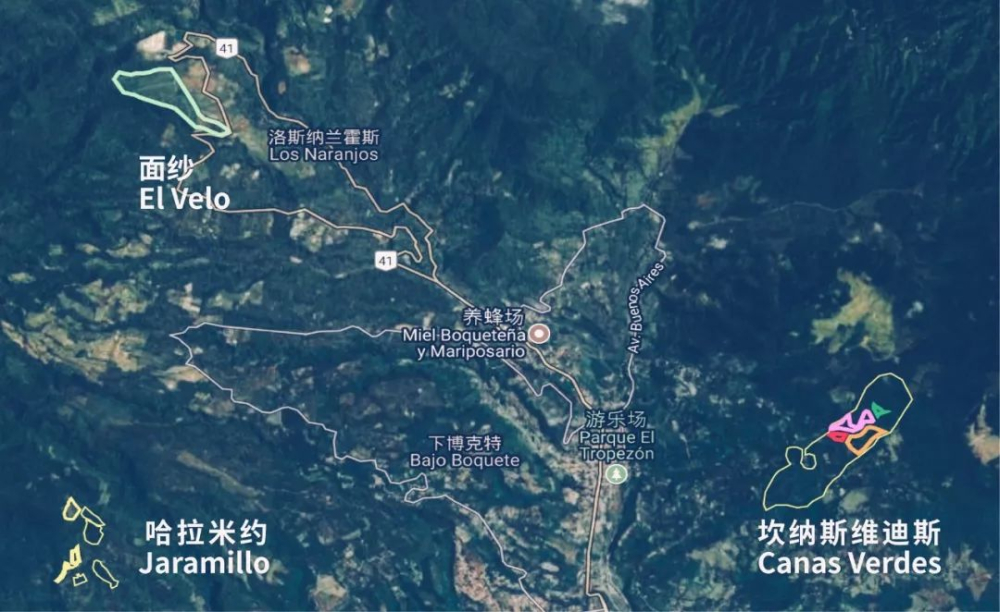
Today, Hacienda Esmeralda has three dedicated blocks for growing Geisha, including El Velo, Cañas Verdes, and Jaramillo, among which the Geisha from Cañas Verdes and Jaramillo is of the highest quality. Especially after acquiring the Jaramillo farm, the third-generation owner, Daniel, discovered through repeated cuppings that only Geisha grown at altitudes above 1,400 meters could exhibit its unique aroma and taste. He then implemented strict zoning based on altitude, laying the foundation for the later Red, Green, and Blue label grading systems.
Among them, Red Label Geisha (also known as Esmeralda Special) is grown at altitudes between 1,600 and 1,800 meters, often scoring over 90 points in cuppings. It is the flagship series of Hacienda Esmeralda, with each batch sourced from a specific single plot, such as the famous Jaramillo plot, delivering highly consistent and refined flavors. Green Label, also called Private Collection, though grown at similar high altitudes as Red Label, is a blend of beans from different plots, so its flavor profile may vary slightly, yet it still retains the classic floral-fruity and juicy acidity of Geisha. As for Blue Label, originally grown at altitudes between 1,400 and 1,500 meters, starting in 2021, the Geisha produced from this block has been exported under the name “Volcanic Rock Geisha” and is no longer part of the Blue Label series.
Also worth mentioning is Elida Estate (Elida), established by the Lamastus family in 1918. With a century-long cultivation history and located within the boundaries of the Volcán Barú National Park, over half of its area sits at high-altitude mountainous zones above 1,900 meters. The combination of microclimate and volcanic soil makes it an ideal environment for cultivating premium Geisha. Elida Estate is extremely meticulous about harvesting and processing, selecting only fully ripe coffee cherries and using anaerobic fermentation and low-temperature slow sun-drying methods, resulting in complex and layered flavor profiles.
In terms of processing methods, top farms in Panama mostly use the traditional techniques of sun-drying and washed processing, while some have further developed innovative techniques such as anaerobic fermentation. The sun-dried method involves spreading fully ripe coffee cherries on drying beds and allowing them to slowly dry over several days, preserving the sugars and aromas in the pulp, giving the green beans intense floral-fruity notes and a thick, juicy mouthfeel.Anaerobic Fermentation Low-Temperature Slow Sun-Drying (NATURAL-ASD)involves fermenting the cherries in a sealed container for 4 to 5 days before moving them to sun-drying beds for slow drying. This process demands highly controlled environmental conditions, but it can bring out richer layers of aroma. Elida Estate’s Geisha is famed for using this technique.
Washed processing, on the other hand, involves first removing the skin and pulp of the coffee cherry, then fermenting to remove the mucilage layer, followed by washing and drying. This method highlights the clean acidity and refreshing taste of the coffee, but it consumes a lot of water and is relatively costly.
For home brewers aiming to extract the best flavors from Geisha coffee, it is recommended to use freshly roasted beans and pay attention to grind size and extraction parameters. Coffee beans are most flavorful within 5 days of roasting. It is suggested to choose medium-light roasted Geisha to fully showcase its delicate floral, fruity, and honey-like characteristics.
In terms of grind size, it is recommended to use a Chinese standard sieve No. 20, with an 80% sieving rate — suitable for medium-light roasted fine grinds. If a sieve is not available, you can also make fine adjustments by observing the particle size and brewing performance. For example, using a V60 dripper, it is recommended to control the water temperature at 90–91°C, with a coffee-to-water ratio of 1:15 and about 15 grams of coffee. First, perform a 30-second bloom with a small amount of hot water (about twice the weight of the coffee grounds). Then, pour water in a slow circular motion until you reach 125 grams for the first pour. Once the coffee bed settles slightly, continue pouring to 225 grams to complete the extraction, with the total brew time around 2 minutes.

This extraction method can fully release the aroma and flavors of Geisha. Upon tasting, you can perceive distinct citrus, berry, and rose floral notes, along with a honey-like sweetness and rich fruity layers. The aftertaste is long and sweet. Whether you are a professional barista or an amateur enthusiast, as long as you master the right bean variety, processing method, and brewing parameters, you can enjoy the flavors of top-tier Panamanian estate Geisha at home.
The above content is compiled by CoffeeHunters, a coffee news website.


