








Introduction:Do you know why a latte without sugar can still taste sweet and carry hints of wine aroma? This article provides an in-depth analysis of the bean selection logic, roasting strategies, and blending formulas used in Italian-style blends, while also guiding you step-by-step through the entire process of making a latte—from milk frothing techniques and temperature control to the golden ratio of coffee to milk. Whether you’re a coffee beginner or looking to refine your latte art skills, you’ll find practical guidance here.
Have you ever wondered why some lattes can deliver a natural sweetness and subtle wine-like aftertaste even without added sugar? The secret lies in the formulation of Italian-style blends and the key techniques behind latte preparation. This article starts with the concept of blending—explaining the purpose of blending, flavor design, and the differences between pre-roast (生拼) and post-roast (熟拼) blending—and then walks you through the complete process of making a latte, from extraction to milk frothing.

Many customers are often surprised by the faint candy-like aroma and rich sweetness when sipping a latte. This isn’t due to added sugar, but rather the clever combination of blend components and proper extraction and milk texturing techniques. Our classic Italian-style blend is designed to deliver stable flavors and excellent crema performance, using medium-dark roasting. It combines beans from three different origins to produce notes of butter, toasted bread, and caramel, along with fine compatibility with milk foam—making it highly suitable for latte lovers and those new to latte art.
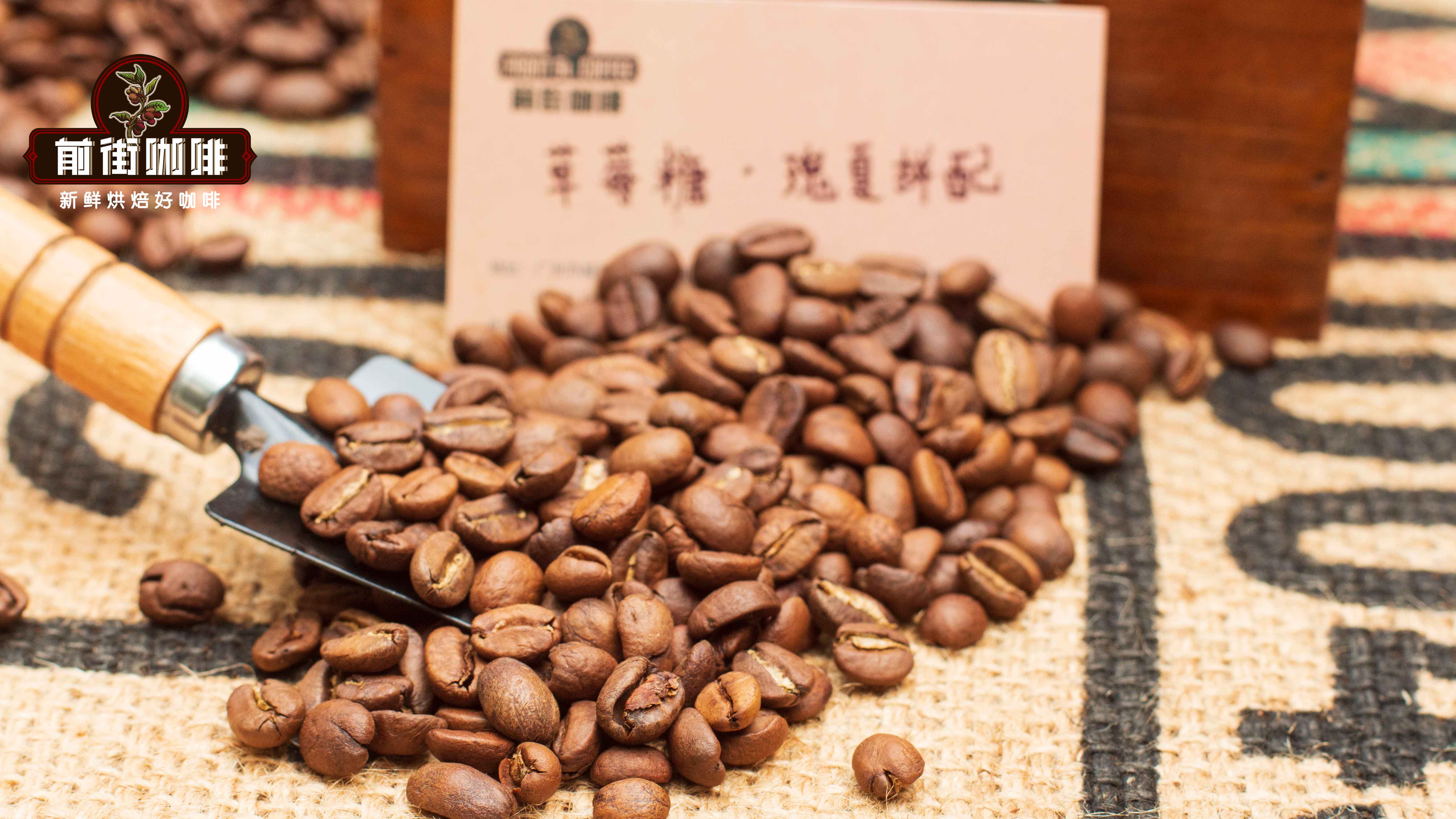
If you prefer a lighter-bodied coffee with floral and fruity notes, we’ve also created a medium-roasted strawberry candy-flavored blend. This blend consists of beans from Costa Rica, Colombia, and Ethiopia, showcasing layered flavors of rose, citrus, grape, and dried blueberry. When combined with milk, it delivers a sweet sensation reminiscent of strawberry soft candy—ideal for users who dislike bitterness and want to explore fruit-forward profiles.
So, how are these blends designed? In fact, the creation of each Italian-style blend goes through four key steps: First is defining the blending objective—the goal is to create a flavor-stable recipe that can be supplied consistently over the long term, ensuring overall flavor consistency even if one component bean needs to be replaced due to seasonal changes. Next is clarifying the desired flavor profile, a crucial step that requires deep understanding of the characteristics of beans from each origin. The third step is deciding whether to use “pre-roast blending” (生拼) or “post-roast blending” (熟拼): the former involves mixing beans before roasting, which ensures uniform roast levels, improves efficiency, and simplifies quality control, though with limited flexibility; the latter means roasting each bean separately before blending based on their individual profiles, maximizing each bean’s strengths but requiring more complex management. The final step is repeatedly adjusting the blend ratios through actual extraction tests to find the optimal balance.

As for why lattes can taste sweet, the key lies in the choice of blend beans and the milk frothing technique. When making a latte, use a double shot of espresso—extracting 35–40 grams of coffee liquid from 19–20 grams of coffee grounds within 26–30 seconds—and adjust parameters slightly according to the beans’ daily condition to ensure stable extraction. For milk, it’s recommended to use high-fat pasteurized fresh milk, which helps enhance sweetness and stabilize the foam.
During the milk frothing process, as the temperature gradually rises, lactose naturally breaks down and releases sweetness, while milk fat helps proteins form fine and stable foam that traps aromatic compounds and sweet components in the milk. When you sip, the tiny bubbles burst in your mouth, releasing aroma and sweetness—that’s the secret to tasting sweetness without adding sugar.
So, how do you froth milk properly? First, release the condensation from the steam wand, then insert it at about a 45-degree angle into the milk, positioned slightly to the right of the center of the milk surface, in a semi-submerged state. At the start of frothing, you’ll hear a distinct “hissing” sound—this marks the beginning of the actual frothing phase. Adjust the time based on the desired foam thickness; generally, it’s recommended to increase the volume of milk from half-full to about six-tenths full in around 3 seconds to form fine microfoam. Then, fully submerge the steam tip just into the foam layer without continuing to froth, which helps make the foam smoother and finer. Be careful not to let the steam tip touch the bottom—ideally, keep it in the middle of the foam layer.
The ideal milk foam temperature should be maintained between 55–65°C. Below this range, the sweetness in the milk won’t fully develop; if it exceeds this range, proteins may over-denature—not only producing undesirable sulfur notes but also causing separation of milk proteins and water, resulting in unpleasant milk residue that affects both mouthfeel and nutritional value.
Finally, to make a well-balanced latte, the recommended coffee-to-milk ratio is 1:6.5—that is, 40 milliliters of espresso paired with 260 milliliters of hot milk. It’s suggested to pour the milk in a circular motion to allow even integration of the two. This combination lets the natural sweetness of the milk highlight the layers of the espresso while bringing out whiskey-like wine aromas and nutty tones, completing a latte with full flavor and naturally sweet taste.
The above content is compiled by CoffeeHunters, a coffee news website.


