








Introduction:Black coffee isn’t just Americano—it actually encompasses various brewing methods, including pour over, moka pot, siphon, and cold brew. This article takes you deep into the characteristics, extraction methods, and suitable coffee bean choices for each type of black coffee, helping you find your perfect black coffee experience.
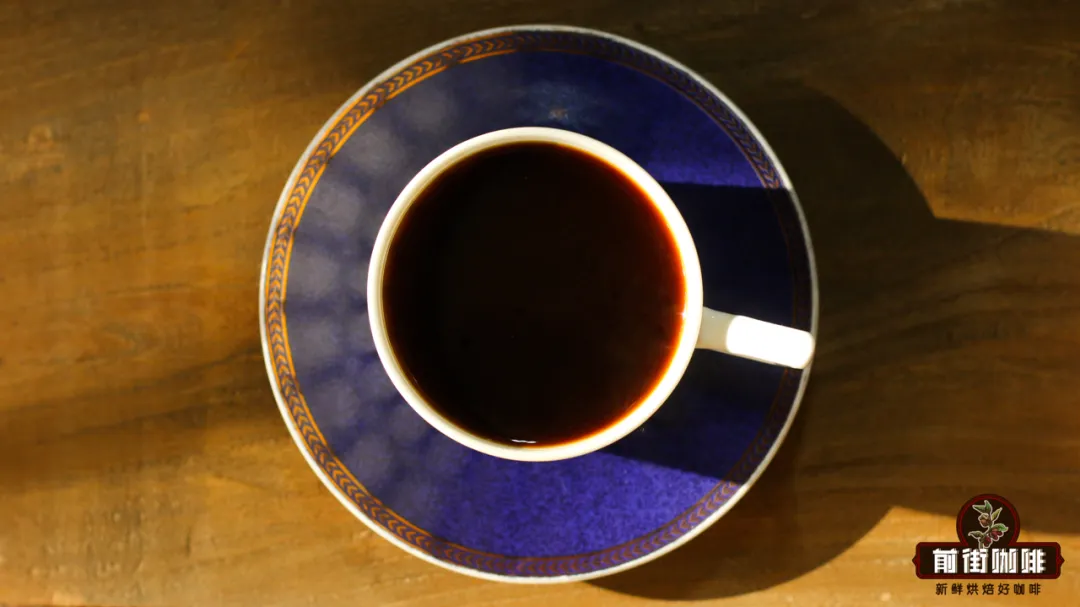
On social media, we often see people holding a dark-colored drink and claiming it’s “black coffee,” but it might actually just be an Americano. Many beginners thus wonder: is black coffee the same as Americano? In fact, “black coffee” is a fairly broad category—it refers to coffee made solely with water and coffee grounds, without any additives. In other words, as long as no milk or syrup is added, whether it’s espresso, pour over, siphon, cold brew, or moka pot-brewed coffee, it all falls under the umbrella of black coffee.
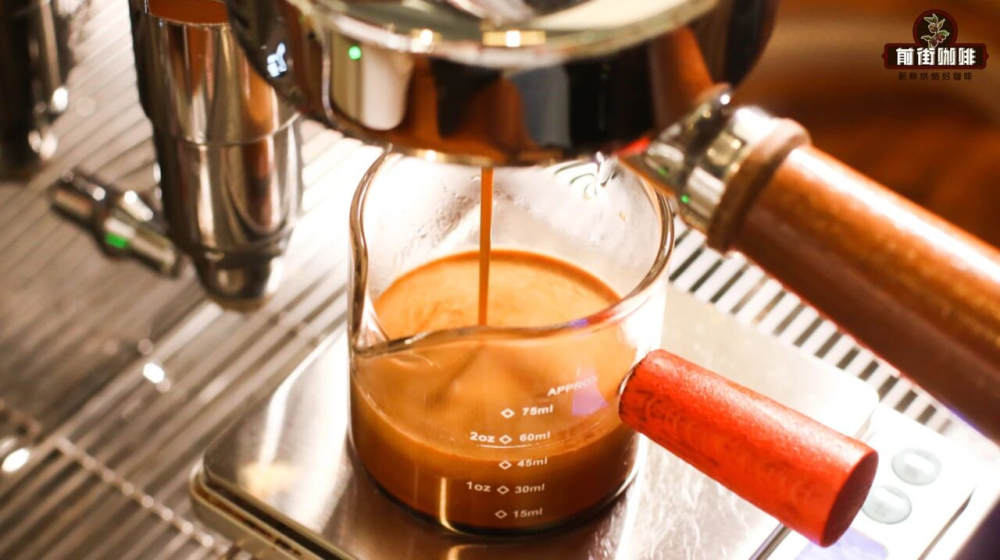
So, what’s the relationship between black coffee and Americano? Simply put, Americano is made by diluting espresso with water, and since the process only uses water, Americano is also a type of black coffee. However, black coffee isn’t limited to Americano—it includes many other brewing methods that don’t involve milk or sugar. Next, we’ll explore several common types of black coffee in detail, including their respective flavor profiles, suitable scenarios, and recommended coffee bean choices, to help you gain a more comprehensive understanding of this fascinating coffee world.
Pour Over Coffee: A Classic Method for Showcasing Delicate Flavors
Pour over coffee is a brewing method that involves slowly dripping hot water through coffee grounds, and it’s one of the representatives of drip coffee. Since the entire process only uses hot water, pour over coffee definitely qualifies as black coffee. Since the rise of specialty coffee culture, people have increasingly valued the flavor expression of the coffee beans themselves, and pour over happens to highlight the layers and origin characteristics of the coffee, making it very popular.
The charm of pour over lies not only in its clear flavors but also in its operational flexibility. Different grind sizes, water temperatures, pouring techniques, and brewing times can all significantly affect the final taste and aroma. For beginners, it’s recommended to try a few coffee beans with distinct flavor profiles, such as Fruit Dingding · Yirgacheffe with its pronounced citrus and jasmine floral notes, Xilado · Xilado with its nutty and creamy tones, Huila · Colombia offering both dark chocolate and lingering sweetness, the overall balanced and easy-to-drink Yunnan Small Beans, and Mandheling · Indonesia with its herbal and spicy undertones.
Siphon Coffee: Rich Flavors from a Retro Brewing Device
Before pour over became popular, the siphon was the star brewing device in many coffee shops. It not only has a unique appearance but also extracts rich and layered coffee through heating and vacuum principles. Although pour over is more common nowadays, the siphon still has a loyal group of enthusiasts.
Siphon coffee also uses only hot water for extraction, without adding any extra flavors, making it a standard black coffee. It typically delivers a rounder, fuller mouthfeel, suitable for those who enjoy strong flavors. It’s recommended to choose beans with bright berry notes, such as Little Tomato · Kenya, or those with a well-balanced acidity, sweetness, and bitterness like Blue Mountain No. 1, to better showcase the unique charm of the siphon.
Cold Brew Coffee: A Refreshing Choice from Long Extraction
Cold brew coffee generally refers to all coffee brewed by steeping in cold water for an extended period, including common cold drip coffee and ice drip coffee. Although its brewing time often lasts several hours or even longer, since only cold water is used throughout the process without introducing other flavors, it also belongs to the black coffee category.
Cold brew coffee usually exhibits a refreshing, low-acidity flavor profile, making it very suitable for summer consumption. When choosing beans, it’s recommended to select those with clear and clean flavors, such as Huakui, Huahudie, Blackberry, or Mozart—these bean varieties can better present the delicate flavors of cold brew.
Moka Pot Coffee: Italian-Style Hot Press Extraction
The moka pot is a classic Italian brewing device that uses pressure to extract coffee. Although its pressure is not as high as that of a professional espresso machine, it can still produce coffee with a certain concentration. Moka pot coffee, before being mixed with milk or sugar, is essentially a higher-concentration black coffee.
When using a moka pot, it’s generally recommended to choose medium-dark roasted blends. If you want to practice latte art at home, you can opt for the Classic Blend, which is inspired by the traditional Mamba combination (Mandheling + Brazil) and includes a small amount of Robusta to enhance crema performance—suitable for beginners seeking a strong flavor. If you prefer nutty and chocolatey notes, the Premium Blend and Dark Cocoa Base Blend are both great choices, both primarily made with Brazilian beans, delivering solid bitterness, sweetness, and aroma, suitable for making various espresso-based beverages.
Summary: As Long as It’s Water and Coffee, It’s Black Coffee
In short, the definition of black coffee is actually quite simple—as long as your coffee doesn’t contain milk, syrup, or other additives, and is made by extracting coffee grounds with just water, it can be called black coffee. Whether it’s brewed using an espresso machine, moka pot, pour over, siphon, or cold brew method, as long as it adheres to this principle, it belongs to the broad family of black coffee. Understanding these different brewing methods not only helps you better appreciate the flavors of the coffee itself but also allows you to find the most suitable black coffee type for your occasion and personal preference.
Image Placeholder Location Instructions: Placed after the pour over coffee paragraph;
 Placed after the siphon coffee paragraph;
 Placed after the cold brew coffee paragraph;
 Placed after the moka pot coffee paragraph.
The above content is compiled by CoffeeHunters, a coffee news website.


