








Introduction:Robusta coffee is often seen as a "supporting role," but its bold intensity and high crema-making ability make it an indispensable key player in espresso blends. This article delves into the flavor characteristics of Robusta, its major global growing regions, and its practical applications when blended with Arabica, helping readers understand how to leverage Robusta to elevate coffee performance and master essential blending knowledge.
When Robusta is mentioned, many people’s first impression might be "bitter and hard to drink," even considered inferior to low-grade Brazilian Santos. However, although this coffee bean is not suitable for single-origin enjoyment, it plays an extremely important role in coffee blends—especially in the espresso category. It not only enhances the body and crema texture of the coffee but also boosts the overall richness of the flavor, making it an unsung "hero" in many professional blends.
Robusta is known for its prominent bitterness, with acidity and sweetness significantly weaker than Arabica—yet this is precisely why it holds a place in commercial coffee and espresso formulations. Its high concentration and intense taste, combined with strong resistance to diseases such as leaf rust, allow it to thrive stably in high-temperature, high-humidity, and pest-prone regions, with yields far surpassing those of Arabica. For these reasons, Robusta is commonly used in instant coffee, canned coffee, and even as the base for professional roasting blends.
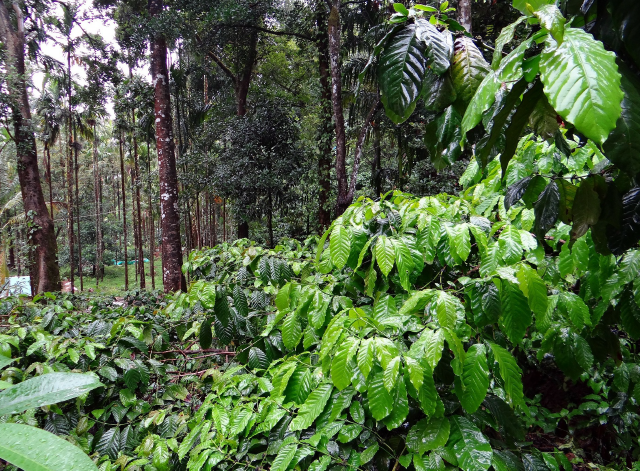
In recent years, the concept of specialty Robusta has gradually emerged. Some producing regions have successfully coaxed out captivating flavors like barley tea, nuts, and caramel from Robusta through optimized cultivation and refined processing, breaking the past stereotype of it being "unpalatable." Even at the 2022 World Barista Championship, a competitor paired Vietnamese specialty Robusta with Panamanian Geisha, creating a stunning flavor profile that redefined perceptions of this coffee bean’s potential.
Globally, Robusta accounts for about 30–40% of total coffee production, primarily sourced from Vietnam, Indonesia, Côte d'Ivoire, and Brazil. Among them, Vietnam has long been the world’s largest producer of Robusta, but in recent years Brazil has actively expanded its planting area, with Robusta now making up 30% of its total output and gradually closing the gap with Vietnam’s dominance. These regions generally feature low altitudes and hot, humid climates—conditions conducive to coffee tree growth but also ideal for pests and diseases that are harsh for disease-vulnerable Arabica, yet perfect for Robusta’s “home turf.”
Robusta is native to West Africa and naturally adapted to low-altitude, high-temperature environments, with exceptional resilience to harsh climates and pests. It requires relatively little labor to cultivate and can even grow wild. This adaptability stems from its high chlorogenic acid content, which not only contributes to its pronounced bitterness but also repels pests and pathogens. However, this same compound suppresses the formation of certain aromatic compounds, resulting in a more one-dimensional flavor profile where bitterness tends to overshadow other nuances.
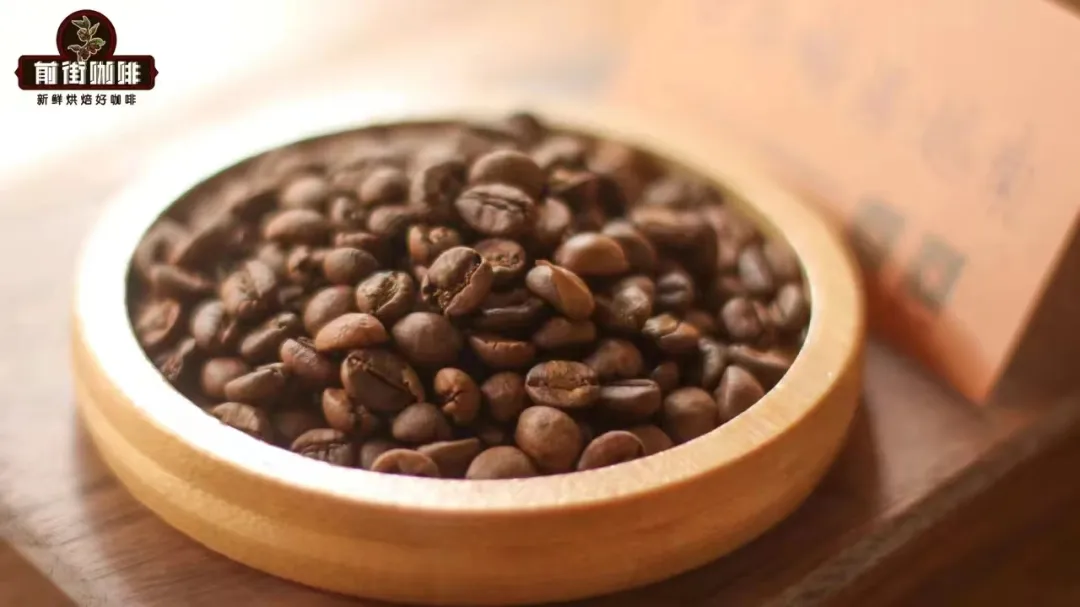
So, where does Robusta’s bitterness come from? Research indicates that its bitterness mainly originates from four components: First is caffeine, which delivers a crisp yet distinct bitterness; second is chlorogenic acid, the primary source of coffee’s bitterness, astringency, and body; third are proteins and amino acids, which produce a rich, dark-beer-and-chocolate-like bitterness; finally, Robusta has a lower fructose content, and since fructose can buffer bitterness and add layers of smoothness, its absence makes the overall bitterness more monotonous, lacking the soft acidity-sweetness balance found in Arabica.
Although Robusta generally receives poor ratings, not all Robusta beans are low quality. In fact, India, Indonesia, and Vietnam all host Robusta quality competitions, judged by specialized R Graders (Robusta Graders) rather than the Q Graders (Quality Graders) familiar with Arabica. The standout specialty Robustas from these competitions often retain high body and low acidity while showcasing surprisingly nuanced flavors, opening up new possibilities for blending.
If you want to use Robusta in daily brewing or homemade espresso preparation, starting with a blend is recommended. For example, a brand’s "commercial blend" uses 100% Arabica from Brazil and Colombia as the base, with a small amount of Vietnamese Robusta added. This blend features a primary note of mixed nuts from Brazilian beans, complemented by layers of berries and caramel from Colombian beans, plus the golden crema and rich mouthfeel provided by Robusta—making it highly suitable for commercial shops and satisfying consumers who crave a bold taste.
For beginners practicing latte art, the "classic blend" is a more approachable choice. This medium-dark roasted espresso blend draws inspiration from the classic "Mamba" combination (i.e., Mandheling and Brazil), with a touch of Robusta added to enhance aroma and crema performance. Its flavor is rich and balanced, with thick, golden crema—perfect for home latte art practice and allowing beginners to easily brew espresso with a professional look and taste.
The above content is compiled by CoffeeHunters, a coffee news website.


