







Introduction:Want to understand the unique charm of Indonesia's Sumatra Golden Mandheling? This article delves into the origin background and wet-hulling processing method to thoroughly analyze the flavor profile of this classic Indonesian bean, and provides expert-level pour over parameters. Whether you're a coffee beginner or an enthusiast pursuing precise extraction, you can master the key techniques for brewing Golden Mandheling here.
When it comes to Indonesian coffee, many people first think of its distinctive flavor profile—rich body, low acidity, and a blend of herbal and spicy notes. Among them, the most representative is the Sumatra PWN company's Golden Mandheling. Praised as a "specialty-grade" Mandheling, this coffee not only undergoes three rounds of manual sorting but is also processed with the wet-hulling method, giving it a bold and layered regional character. This article will start from Sumatra’s core producing regions, taking you on an exploration of this classic coffee’s cultivation origins and craftsmanship essence, and detailing in-store tested pour over parameters to help you brew a balanced and long-lasting Golden Mandheling at home.
A certain brand’s Lintong Mandheling features dominant notes of dark chocolate, roasted hazelnuts, and caramel, with a unique herbal-spicy finish, while the PWN Golden Mandheling from the same series, due to multiple rounds of manual selection, boasts even higher clarity with a distinct sweet aftertaste. Both originate from Sumatra—the world’s one of the few regions capable of nurturing such uniquely flavored coffee.
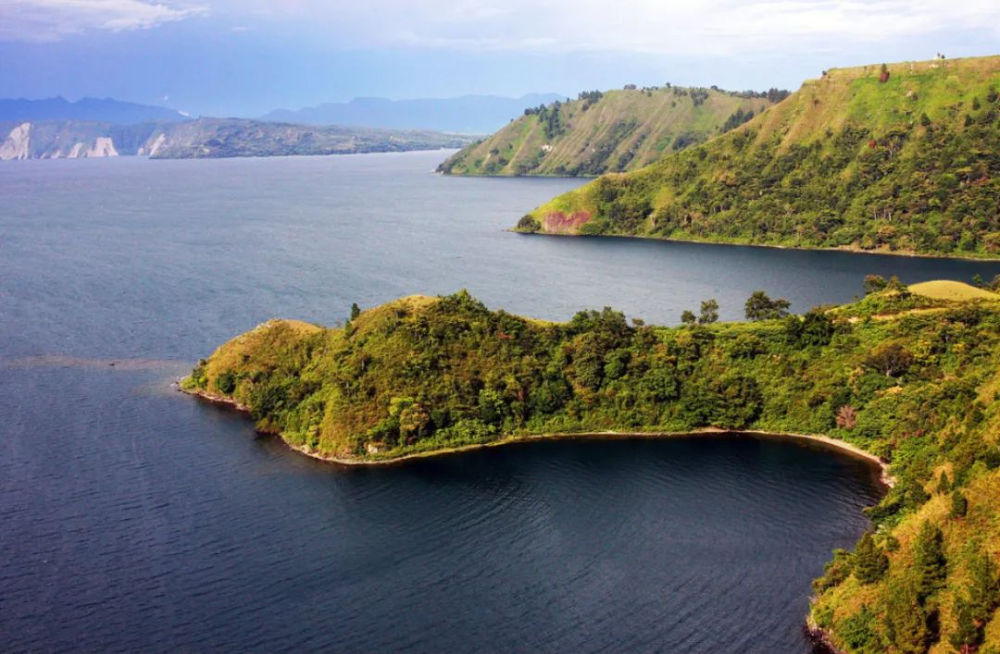
As the main coffee-producing region in Indonesia, although the entire island is divided into eight provinces, only Aceh and North Sumatra engage in large-scale Arabica coffee cultivation. These two areas, blessed by high altitudes and tropical rainforest climates, are perennially shrouded in mist, providing an ideal growing environment for coffee trees. The coffee fruit ripening season runs annually from September to April the following year. Farmers traverse the mountainous regions around Lake Tawar and Lake Toba to harvest ripe coffee cherries. Among them, the Gayo Mountains area around Lake Tawar stands out for its widespread organic farming practices and long history, delivering coffee that excels in both quality and yield. It is precisely this area’s potential that attracted Pwani Coffee Company (abbreviated as PWN), making it a key buyer of the region’s specialty coffee beans.
A certain company focuses on procuring high-quality Mandheling green beans, with each batch undergoing one machine screening and three rounds of manual hand-picking to ensure every bean is plump and flawless. The final output is all specialty-grade coffee beans. Their flagship product, "Golden Mandheling," is even more recognized as the authentic Golden Mandheling in the market thanks to its early successful registration of an English trademark. The PWN Golden Mandheling sold by a certain brand comes from this reputable supplier and is processed using Indonesia’s unique wet-hulling method, which gives it distinctive flavor characteristics.
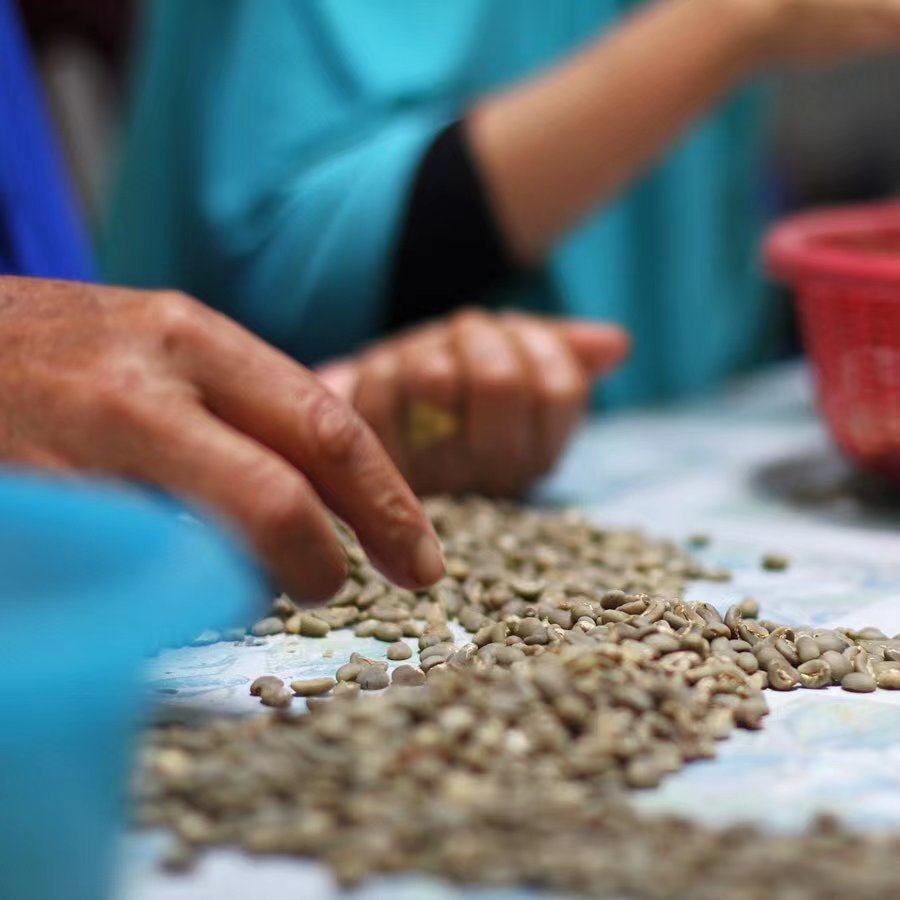
The unique flavor of Indonesian coffee largely stems from its special processing method—wet-hulling. Due to Indonesia’s year-round humidity of 70–90% and abundant rainfall, traditional sun-drying or washed processing is not easily implemented here. The wet-hulling method cleverly combines efficiency with flavor preservation: after the coffee fruit’s skin and pulp are removed, it only undergoes a short fermentation of a few hours, then is brushed to remove residual mucilage. The parchment-covered beans are then dried to a moisture content of 30–40% (about 2–3 days) before being sent to collection stations for hulling. The high friction of the hulling machine not only removes the parchment layer but also softens and whitens the bean surface due to the influence of mucus and the humid environment, creating a distinctive gray-green appearance. This process also contributes to the signature woody, spicy, and herbal notes of Indonesian coffee.
For readers trying wet-hulled coffee for the first time, it is recommended to start with a small pack of Lintong Mandheling everyday beans. Its classic Mandheling flavor can help you quickly grasp the appeal of this unique processing method.
To fully showcase the richness and layered profile of PWN Golden Mandheling, precise control during pour over is crucial. A barista from a certain brand, when brewing this medium-dark roasted bean, specifically chose the KONO filter—its smooth curved design allows the filter paper to adhere tightly to the cup wall. Coupled with drainage ribs only a quarter of the height, it effectively restricts upward airflow, forcing water to slowly seep through from the bottom, creating an immersion-style extraction. This results in a smoother, more concentrated, and fuller-bodied coffee taste.
Since medium-dark roasted beans have a relatively loose internal structure and increased water absorption after grinding, improper parameters can easily lead to over-extraction and bitterness. Therefore, a certain brand recommends using a lower water temperature (87–88°C) and a medium grind size (coarse sugar consistency, approximately 70% passing through a #20 sieve) to reduce the release of bitter substances. Specifically, use the ek43s grinder set to setting 10, paired withthe KONO filter, and follow these steps:
First, pour30g of waterfor a 30-second bloom, using a small stream in a circular motion from the center outward to ensure even saturation of the coffee bed. After 30 seconds, switch to a slightly larger stream to steadily pour95g of water, lifting the coffee bed. At about 55 seconds, the cumulative water volume reaches125g; once the liquid level drops to half, use a finer stream in a small circle to pour100g of water, controlling the stream’s spread to avoid disturbing the coffee bed. Total water poured is225g, with a drip time of about 2 minutes. Remove the filter and gently swirl the server before enjoying this richly flavored Golden Mandheling.
Once brewed, the PWN Golden Mandheling delivers a bold black chocolate aroma upon the first sip, accompanied by harmonious notes of roasted hazelnuts, caramel, and melon. Herbal and spicy notes unfold layer by layer in the mouth. The texture is full-bodied yet clean, with a long-lasting finish that lingers on the palate. Pair it with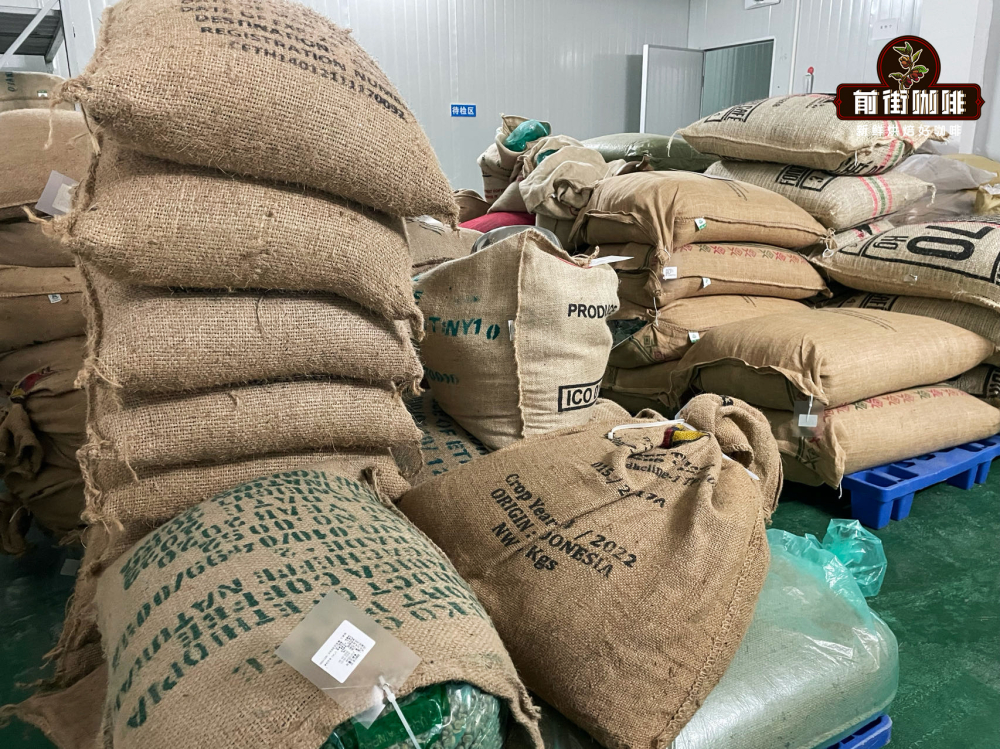 the illustrated brewing guide, and you too can easily replicate this professional-grade Indonesian classic.
The above content is compiled by CoffeeHunters, a coffee news website.


