








Introduction:Want to dive deeper into the unique charm of Colombian Huila coffee beans? This article explores the regional geography and climate conditions to analyze the origins of its nutty, chocolatey, and caramel flavors, and explains how the washed processing method contributes to its smooth mouthfeel. Practical pour over recommendations and parameters are also provided to help you fully showcase the layered complexity of this specialty coffee.
In the global coffee landscape, while beans named after countries are common, it is often the finer details of the specific regions and farms that truly define their flavor. Examples include Ethiopia’s Yirgacheffe and Sidamo, and Colombia’s renowned regions such as Nariño and Huila. Today, we’ll take an in-depth look at specialty coffee beans from Colombia’s Huila region. This land, surrounded by majestic mountains and canyons, benefits from high altitudes, mild climates, and abundant rainfall, nurturing Arabica coffee with intense and complex flavors.
What makes Huila coffee so captivating is its combination of nutty, chocolatey, and caramel aromas, coupled with the rich body and gentle acidity brought by washed processing. It has a smooth mouthfeel and a long-lasting finish, earning it the title of “green gold” of Colombia. Below, we’ll detail the region’s geographical characteristics, processing methods, and share practical pour over tips and parameters so you can brew Huila’s enchanting flavors yourself.
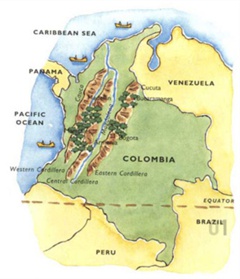
Huila is located in southern Colombia, with a terrain dominated by mountains and canyons. Coffee plantations are mostly situated on slopes at elevations between 1,500 and 2,000 meters. The high altitude not only slows down the ripening process of coffee cherries but also promotes the development of more complex flavor compounds in the beans. In addition, the area enjoys a cool and stable climate with significant day-night temperature variations, along with mountain mist and ample rainfall, creating a microclimate ideal for Arabica growth. This results in the distinctive richness and aromatic depth of Huila coffee.
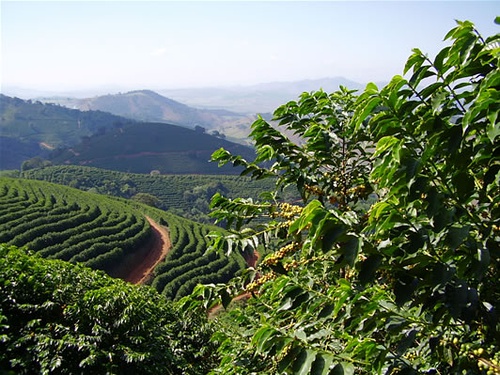
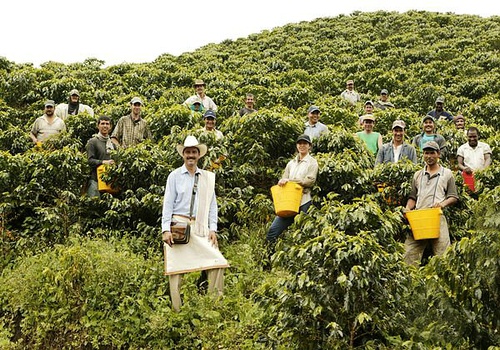
In terms of cultivation and harvesting, local farmers mostly use traditional hand-picking methods, selecting only fully ripe coffee cherries to ensure consistent bean quality. Processing is predominantly done using the washed method, which involves removing the pulp and fermenting and washing the beans. This effectively reduces impurities and undesirable flavors, allowing the inherent characteristics of the coffee to shine. Typically, these beans are medium roasted and well-suited for pour over brewing, highlighting delicate acidity and rich sweetness. Unlike the boldness of Brazilian or espresso profiles, they offer a more refreshing and layered cup.
It’s worth noting that although terms like “Huilan,” “Huila,” or “Hula” may appear differently in the market, they all refer to Colombia’s Huila region. Regardless of the name, the coffee grown in this land—with its signature nutty, chocolatey, and caramel aroma profile and smooth, pleasant acidity—has become a go-to specialty choice for many coffee enthusiasts.
If you’d like to experience the charm of Huila coffee firsthand, here’s a practical pour over recommendation: choose medium-dark roasted Huila coffee beans, and set the coffee-to-water ratio at 1:12 (for example, 25 grams of coffee grounds to 300 milliliters of water). During brewing, adopt a pouring rhythm that starts fast and then slows down—initially pouring quickly to effectively extract the highly volatile aromatic compounds from the beans, then reducing the flow rate to help control extraction evenness and minimize over-extraction bitterness. This brewing approach allows you to more clearly perceive the rich nuttiness, the mellow chocolate notes, and the gentle acidity with a hint of red wine character, followed by a natural caramel-like sweet finish.
In summary, Colombian Huila coffee beans not only benefit from exceptional regional growing conditions but also showcase highly distinctive flavor characteristics through refined washed processing and appropriate roast levels. Whether you’re a beginner or a seasoned coffee lover, try exploring its layers with a pour over brew—you’re sure to enjoy a unique flavor experience.
The above content is compiled by CoffeeHunters, a coffee news website.


