







Introduction:Espresso is the soul base of many specialty drinks, but many coffee enthusiasts often feel puzzled when choosing between single and double shots. This article delves into the key differences between the two in terms of dose, extraction time, and flavor profile, and explains from a professional perspective how to achieve stable extraction quality using medium-dark roasted blends. In addition to detailing the standard preparation process for a double shot, it also provides practical tips on distribution, tamping, and parameter adjustments to help you master a well-balanced shot of espresso, whether at home or in a café.
In the world of coffee, espresso is hailed as the cornerstone of specialty beverages. Whether it's a cappuccino, latte, or Americano, none can do without this small cup of intense black coffee. However, many people hesitate between ordering or making a "single" or a "double" when customizing their drink. Which one suits you better? What are the differences in extraction parameters and flavor? This article will fully break down these questions and guide you from basic understanding to hands-on practice, helping you grasp the essence of espresso in one go.
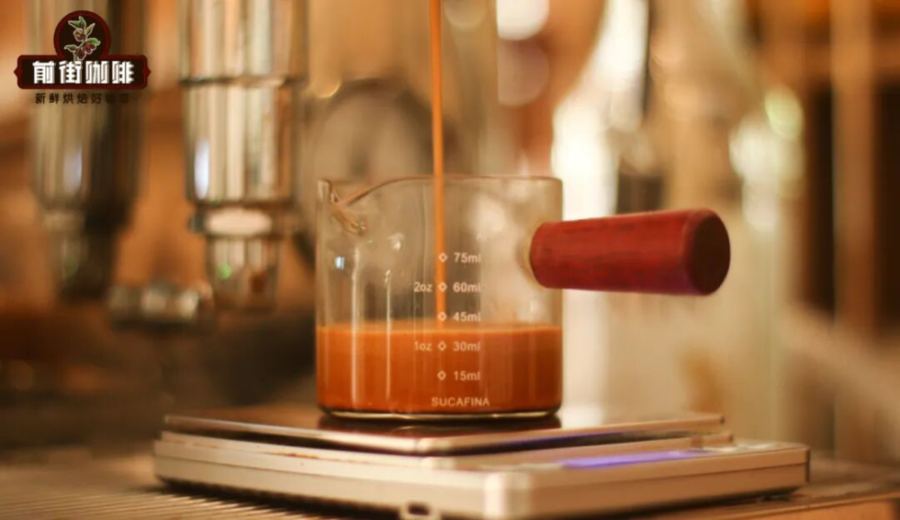
The so-called "single" shot usually refers to about 30 ml of extracted coffee, while in café terminology, it is often referred to as a "shot." For a more intense experience, you can opt for a "double," which uses twice the amount of coffee grounds and yields approximately 60 ml of espresso. In fact, many professional espresso machines equipped with double baskets are designed to use around 18 to 20 grams of coffee, and following the golden ratio of 1:2 (grounds to liquid), they can extract about 36 to 40 grams of coffee. A single shot, on the other hand, typically uses 8 to 10 grams of coffee and extracts 16 to 20 grams.
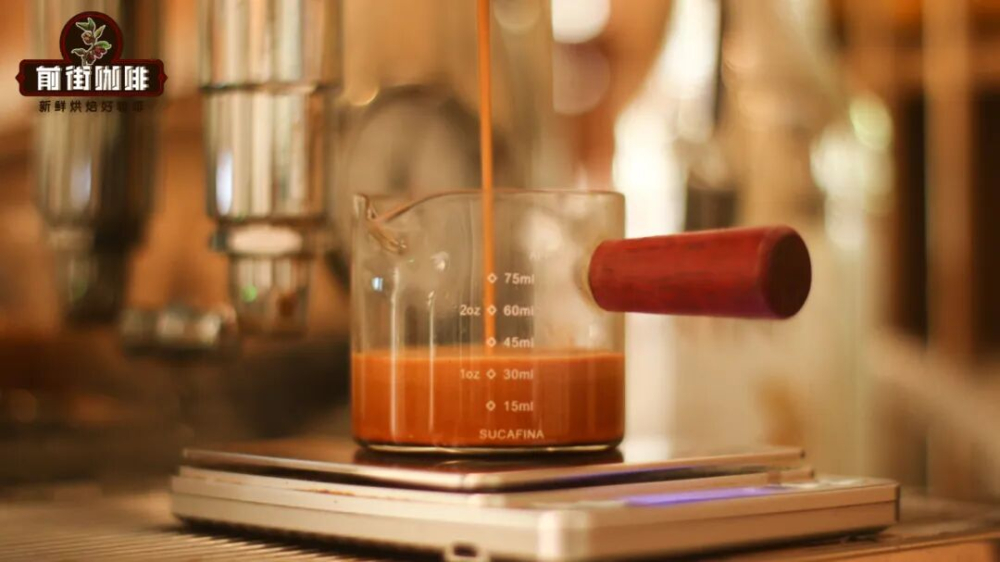
From a flavor perspective, a double shot, due to the greater amount of coffee, requires hot water to penetrate a thicker coffee puck, leading to more thorough extraction and a fuller release of flavor compounds. As a result, it generally has a richer layered taste, better balance of bitterness and sweetness, and is more suitable for a variety of specialty coffee drinks. In contrast, although a single shot is more concentrated and refined, its flavor layers are slightly weaker, making it ideal for those who prefer a pure, strong taste.
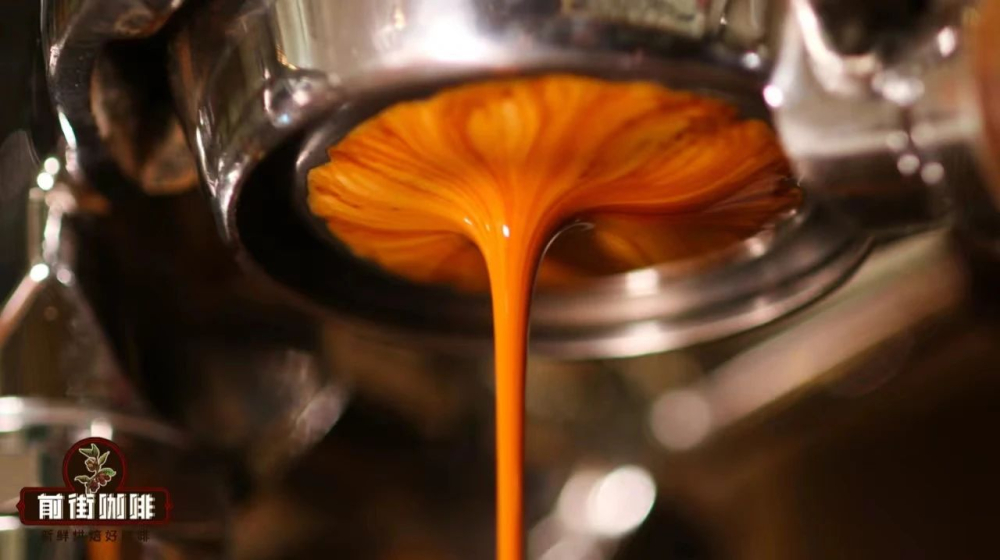
Since espresso is extracted under high pressure (9 bar) with an extremely fine grind over a very short time (typically 20–35 seconds), it is highly concentrated with intense flavors that fully showcase the characteristics of the coffee beans. However, because of this, lighter roasts may exhibit more pronounced acidity, while darker roasts can easily highlight burnt, bitter, and smoky notes. Therefore, if you desire a more stable flavor with prominent sweet, caramel-like notes, it is recommended to choose a medium-dark roasted blend. These beans are usually crafted specifically for espresso machines and moka pots, offering a smooth mouthfeel and rich crema.
For beginners, it is recommended to try medium-dark roasted blended beans. These beans often combine beans from different origins—such as the nutty tones of Brazilian beans, the full-bodied feel of Southeast Asian beans, and the balanced acidity of Central and South American beans—to naturally bring out aromas of caramel, cream, and chocolate, while also delivering a rich crema. They are very suitable for home users to practice with and enjoy daily.
If you prefer a more balanced option with a lower chance of mistakes, medium-dark roasted blends are often the top choice. These recipes are usually carefully designed to reduce issues such as over-extraction or under-extraction caused by improper roast level or grind size, allowing even beginners to easily produce a well-balanced and flavorful shot of espresso.
Next, we’ll use a common double basket as an example to guide you step-by-step in making a standard shot of espresso. Assuming you’re using 18 to 20 grams of coffee, with a 1:2 coffee-to-liquid ratio, the goal is to extract 36 to 40 grams of coffee. The extraction time is recommended to be controlled between 20 and 35 seconds, with 28 to 30 seconds being the optimal range according to most professional cafés for best flavor performance. If the extraction time is too short, the flavor may be thin and lack depth; if it exceeds 35 seconds, burnt and unpleasant off-flavors may emerge.
Before starting the extraction, make sure the portafilter basket is clean and free of leftover coffee grounds, and use a scale to accurately measure the coffee dose. Then, use a distributor to evenly spread the coffee grounds, followed by tamping with a tamper in a vertical motion to ensure a compact and level puck—this is one of the key steps affecting extraction stability. The tamping pressure should be consistent; too light may cause channeling, while too heavy may restrict water flow.
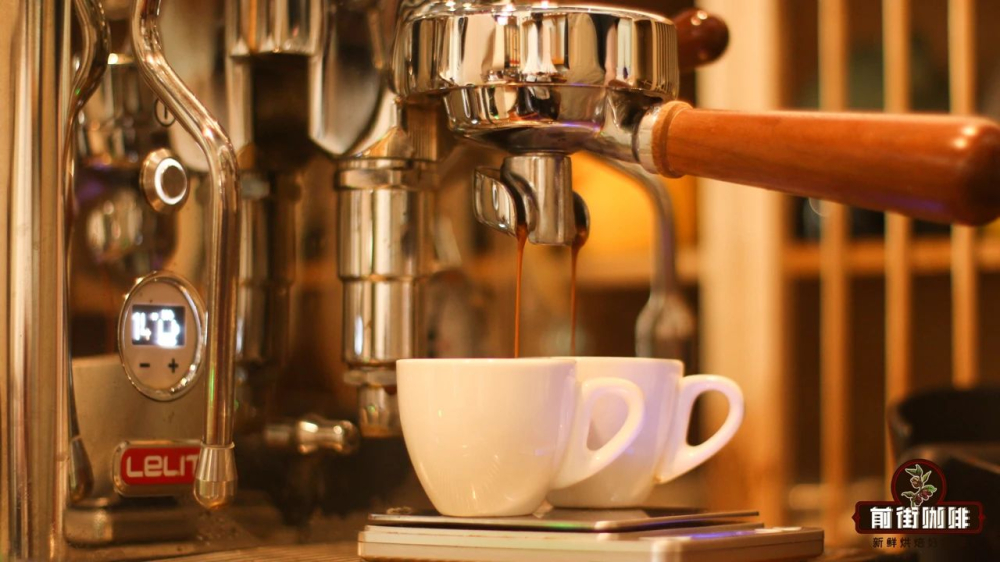
Before beginning extraction, open the brew switch to let water flow for 1 to 2 seconds—this step is called "pre-infusion"—to wet the group head and rinse away any residual coffee grounds, ensuring a clean environment for extraction. Then, place the cup under the group head and set an electronic scale underneath to zero, making it easier to accurately monitor the weight of the extracted coffee. Securely lock the portafilter into the group head, then slowly start the extraction, observing the flow rate and color changes of the coffee. When the scale shows the target weight (e.g., 40 grams) and the time falls within the 28 to 30 second range, you can turn off the extraction.
Note that extraction parameters can be affected by factors such as weather, humidity, and coffee bean freshness. Therefore, it’s recommended to fine-tune grind size, dose, or extraction time each time based on actual conditions to achieve the best possible flavor.
Finally, if you’d like to elevate this shot into an exceptionally flavorful Americano, you can add cold or room-temperature water at a 1:6 ratio—for example, 40 grams of espresso with 150 grams of water and some ice cubes. This not only tones down the intensity of the espresso but also highlights the caramel and dark chocolate aftertaste, delivering a smoother and more layered coffee experience.
The above content is compiled by CoffeeHunters, a coffee news website.


