







Introduction:This article delves into the globally beloved Geisha coffee variety, starting from its historic moment winning the Best of Panama competition in 2004, and exploring how it has transformed global specialty coffee roasting trends and flavor preferences. Whether you’re new to Geisha or an enthusiast eager to explore different processing methods and blend ratios, we provide practical buying and brewing guidance to help you find your ideal Geisha experience.
The 2004 Best of Panama competition marked a turning point in the history of the Geisha (Geisha) variety. That year, it stunned all judges with its unique floral aroma, citrus acidity, and bright fruity notes, shattering the then-prevailing market trend favoring dark roasts and heavy body, and ushering in a new era where specialty coffee pursued bright, refreshing flavors.
The rise of Geisha not only redefined the flavor profile of coffee but also prompted the industry to rethink roasting approaches. More and more roasters began favoring medium to light roasts to preserve the beans’ inherent acidity and aromatic complexity. This shift continues to deeply influence the global specialty coffee roasting philosophy to this day.
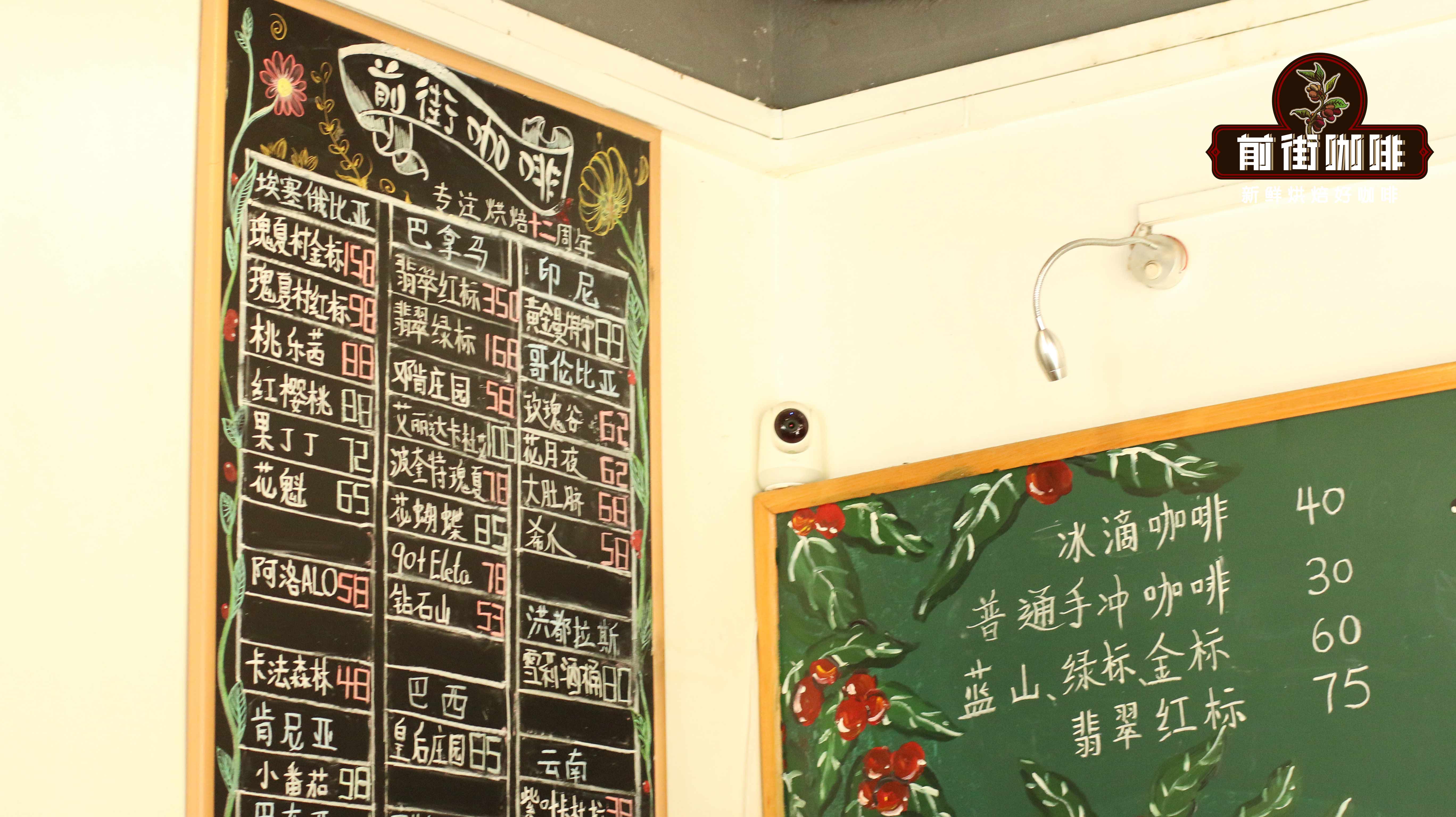
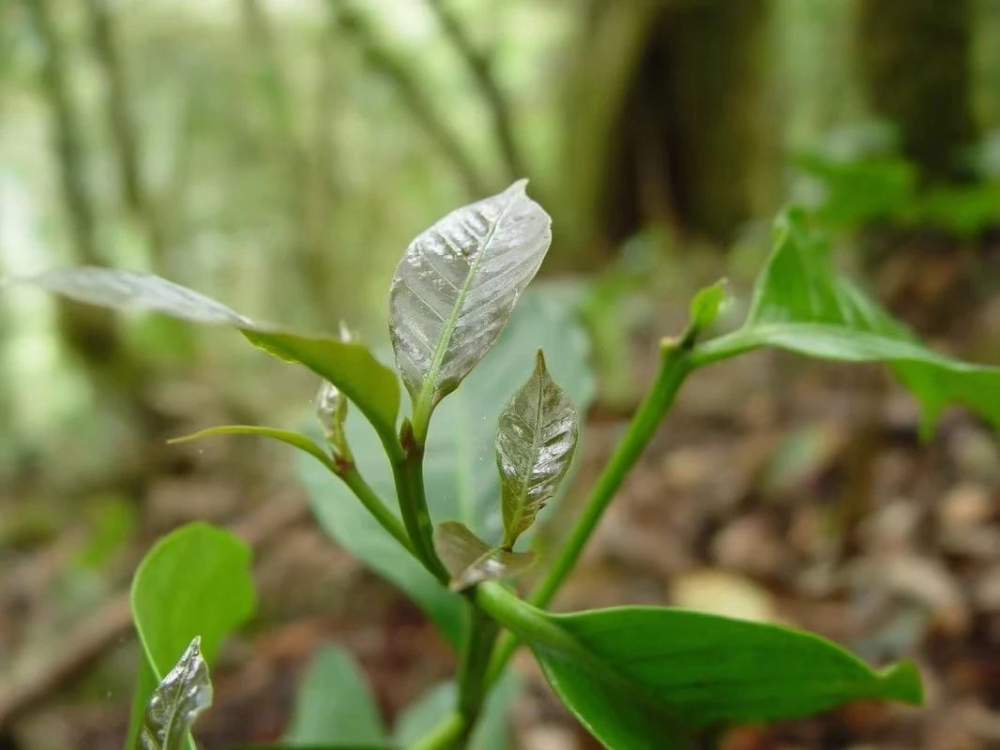
As an ancient variety native to Ethiopia, Geisha found its perfect stage in Panama’s unique terroir. Particularly in the Boquete region at elevations above 1,500 meters, coupled with meticulous cultivation by Hacienda La Esmeralda, it achieved exceptional cupping profiles that combine floral notes, citrus tones, and honey-like sweetness, further shining on the international competition stage.
As Geisha gained fame in the global specialty coffee community, it gradually earned titles such as the “Hermès of coffee” and “green gold,” inspiring many coffee lovers to set tasting an authentic Panamanian Geisha as their goal. However, due to limited production and high market demand, Geisha often comes with a steep price tag, leading many to wonder: how can one experience the charm of this star variety within a reasonable budget?
If you’re a beginner just stepping into the world of Geisha, it’s recommended to start with an entry-level single-origin option, such as a washed Geisha from Panama’s Boquete region. These coffees are typically medium to light roasted, showcasing their bright acidity, citrus fruitiness, and delicate floral notes—perfect for those who enjoy a clean and refreshing taste. Whether brewed via pour over, drip bags, or even cold brew, you can appreciate its nuanced flavor structure.
If you’d like to explore Geisha’s diverse expressions in a more budget-friendly way, consider trying a Geisha-focused blend. These beans usually combine Geisha with other varieties such as Caturra, Catuai, or Costa Rican honey-processed beans, maintaining a certain flavor standard while offering richer layers and more accessible pricing.
For example, some blends combine Panamanian Geisha with Costa Rican honey-processed beans, using a medium roast to bring out complex aromas like rose, grape, apricot, and almond—suitable for brewing with a siphon, moka pot, and other devices, allowing you to enjoy café-quality drinks at home.
Whether you prefer single-origin or blended options, when purchasing, pay attention to the roast date and processing method. Freshly roasted beans (typically within 5 to 14 days post-roast) deliver optimal flavor, and different processing methods (such as washed, honey, or natural) will significantly impact the final taste and aroma.
In summary, Geisha coffee is not just one of the representatives of specialty coffee but also a gateway to flavor exploration. By understanding regional characteristics, roast levels, and brewing methods, every coffee lover can find their own path to Geisha freedom.
The above content is compiled by CoffeeHunters, a coffee news website.


