







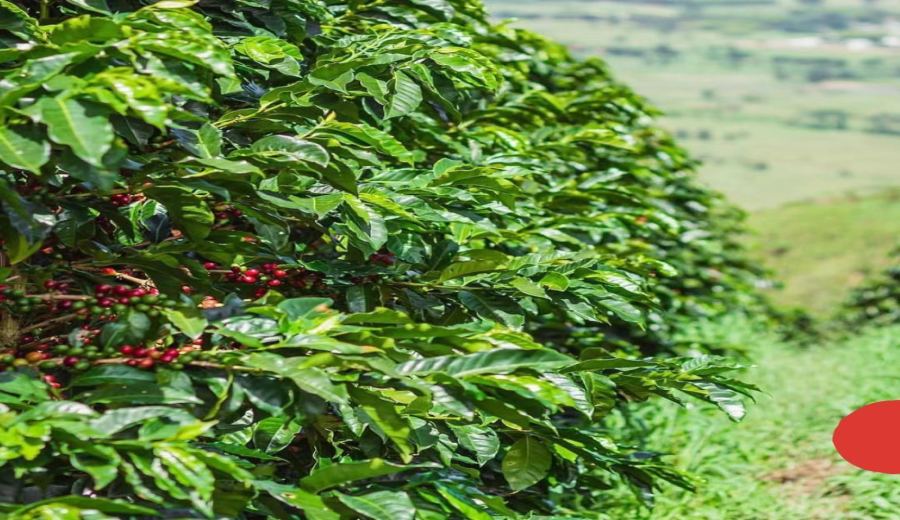
Introduction:Colombia is a globally renowned Arabica coffee origin, where its rigorous grading system and diverse microclimates contribute to a rich flavor profile. This article delves into Colombia’s export-grade classifications and grind size standards, while exploring the unique characteristics of the three major mountain ranges in the Andes. From varieties like Caturra to Geisha, as well as washed processing methods and the rise of the Huila specialty region, we also provide practical medium-dark roast parameters for washed Huila beans and KONO filter brewing tips to help you master the brewing essentials of this classic coffee.
Blessed with a unique geographical environment, Colombia’s rolling mountains and varied climate offer ideal growing conditions for Arabica coffee, making it one of the world’s premier high-quality coffee producers. Among many coffee-growing nations, Colombia stands out for its systematic grading standards and refined regional management. This article will detail the logic behind Colombia’s coffee bean grading—from common categories like UGQ, EP, to Supremo—as well as the unified Excelso grade for all export beans. We’ll also explore its grind size specifications and screening details. Additionally, we’ll take you through the diverse microclimates nurtured by the Andes’ three major mountain ranges, introduce the mainstream Caturra and Geisha varieties, and highlight the family-farm-based washed processing tradition. Finally, we focus on the increasingly prominent Huila region, analyzing the unique charm of its micro-lot coffees.
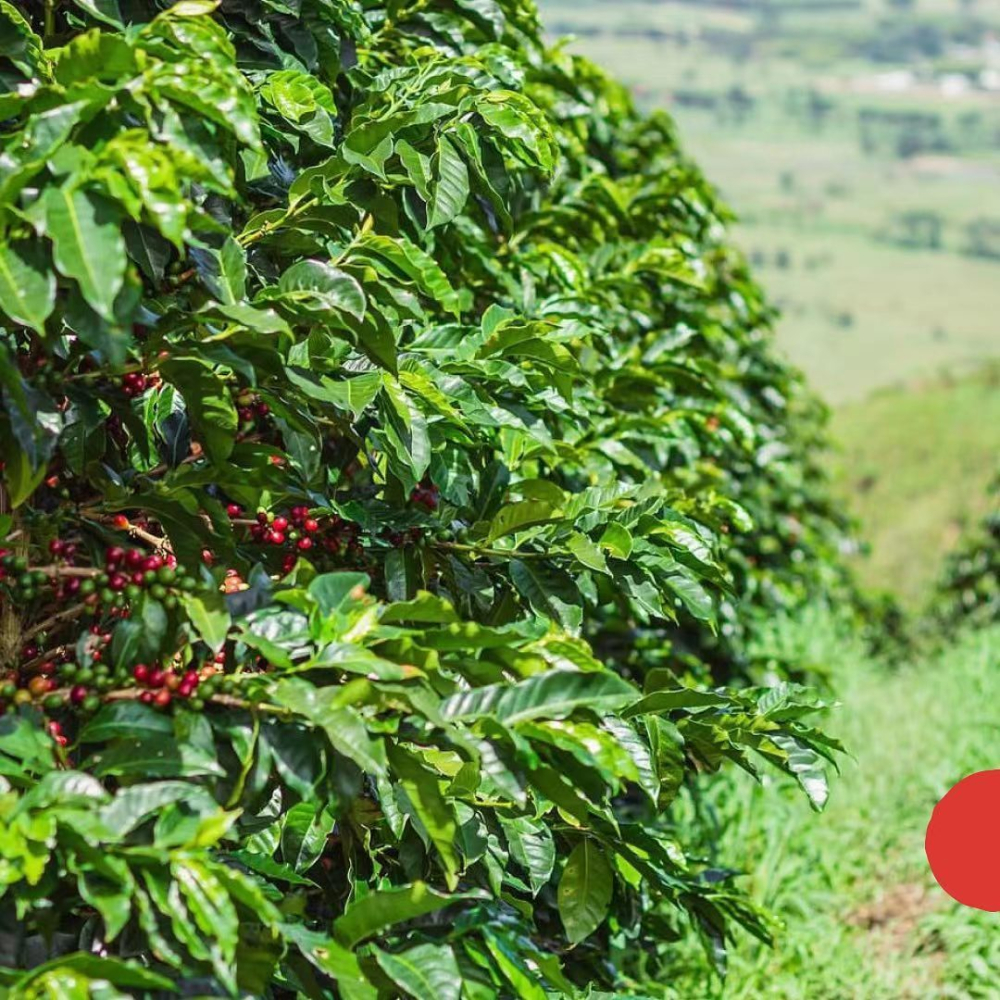
Compared to other Central American coffee-producing countries, Colombia’s natural conditions are particularly abundant. Its varied terrain features vast arable lands and undulating mountains, creating diverse microclimates that lay a solid foundation for cultivating high-quality Arabica coffee. Colombia’s coffee-growing population exceeds 500,000, most of whom are small-scale family farms. For these farmers, coffee is not just an economic livelihood but also a generational family business. During harvest season, they carefully select coffee cherries at optimal ripeness, ensuring only the finest are picked. The thriving Colombian coffee industry owes much to the long-term efforts of the Colombian Coffee Growers Federation (Federación Nacional de Cafeteros, or FNC).
Established in 1927, the FNC is a non-profit organization dedicated to protecting the rights of coffee producers. It provides comprehensive knowledge dissemination—from variety improvement, cultivation techniques, harvesting standards, green bean processing, to quality management—and insists on purchasing green beans from farmers at the market’s best daily price, fully unlocking the “land potential” and “farmer potential” of Colombian coffee. Moreover, the FNC has successfully promoted Colombian coffee globally by shaping the iconic “Juan Valdez and the Mule” brand image, making the country’s coffee renowned worldwide.
Colombian coffee beans are primarily graded based on bean size, determined by their ability to pass through fixed screen mesh sizes—the larger the mesh number, the bigger the beans. Common export grades include UGQ, EP, and Supremo. Regardless of the size category, all beans intended for export are classified under the Excelso grade. This means that nearly all Colombian green coffee sacks seen in the international market are labeled “Excelso,” which is currently the FNC’s primary and highest export standard.
Specifically, Excelso UGQ 12*60 (1.5%): UGQ stands for Usual Good Quality, requiring beans to be sized 14 mesh or larger, allowing up to 1.5% of beans between 12 and 14 mesh, but all must exceed 12 mesh, with over 50% larger than 15 mesh. Excelso EP 12*60 (10%): EP refers to European Preparation, mandating beans sized 15 mesh or larger, permitting 10% smaller than 15 mesh but not below 14 mesh. Excelso Supremo 12*60 (5%): This grade requires beans to be 17 mesh or larger, allowing only 5% smaller than 17 mesh, all exceeding 14 mesh. Additionally, Colombia has higher-tier grades such as Extra (16 mesh+), Premium (18 mesh+), and Minama (nearly all 15 mesh). Each batch of green beans is meticulously recorded with serial numbers and regional information for traceability. Exported Colombian green coffee is typically named in the format “Country + Region + Grade + Other,” such as a well-known Huila everyday coffee labeled as Colombia Huila Supremo SC17/18 FNC.
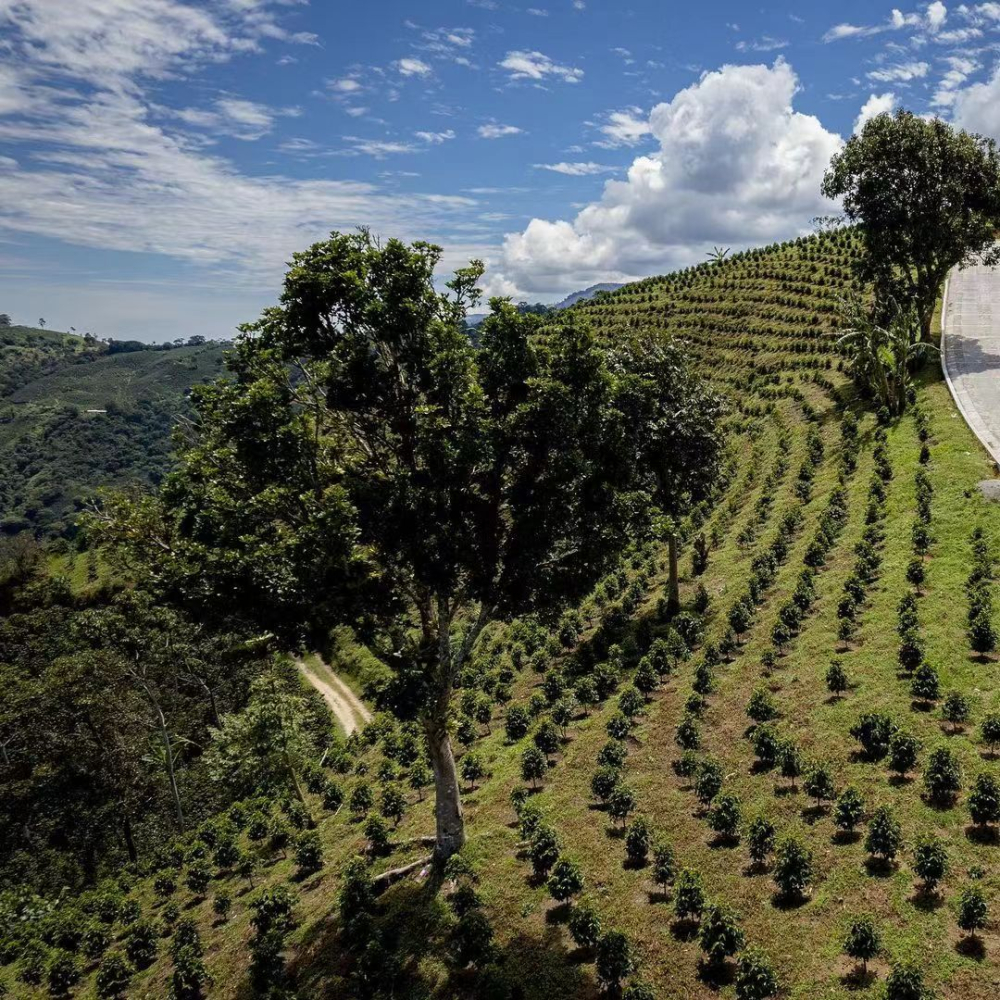
Colombia’s coffee-growing regions are primarily concentrated in the Andes Mountains, which span the western part of the country and consist of three main highland belts. These mountainous areas feature fertile, organic-rich soils and elevations mostly between 800 and 2,300 meters, allowing coffee trees to thrive in a balanced environment of ample sunlight and cloud shade. Due to the diverse climates across the mountain ranges, harvests occur year-round, with different seasons and varieties ripening in succession, keeping farmers busy during harvest seasons.
Colombia’s coffee varieties are highly diverse. In addition to common Central American staples like Caturra, Bourbon, and Typica, the region has cultivated several disease-resistant varieties, such as Castillo, Tabi, and the iconic Colombia variety. In recent years, some advanced estates have also begun introducing the internationally popular Geisha variety, further enhancing the region’s varietal diversity and flavor potential.
With abundant water resources, most Colombian coffee is processed using the washed method. Typical family farms employ specialized green bean processing equipment like Ecomill or Eco-Pulper, which remove the pulp and flesh while using minimal water to eliminate most mucilage. The parchment beans, still carrying slight mucilage, are then left to ferment overnight in small cement or tile tanks to loosen residual mucilage. The next day, they are thoroughly rinsed with clean water and evenly spread in the sun to dry to the target moisture level. This washed process not only effectively reduces defect rates but also preserves the beans’ clean flavors, resulting in higher clarity and complexity.
Located in southern Colombia, the Huila region is a rising star in the specialty coffee scene, accounting for 12% of the nation’s total coffee production. Surrounded by hills and generally exceeding 1,500 meters in elevation, the region is traversed by a tributary of the Colombian river, providing stable water sources for coffee trees. Unlike the traditional impression of bold and rich Colombian coffee, Huila is dominated by smallholder micro-lots. The region’s varied microclimates and diverse processing methods yield rich and distinctive flavor profiles. The best way to understand a region is through hands-on tasting, especially with naturally processed coffees like washed and natural. This article uses a medium-dark roasted washed Huila bean as an example to showcase the classic Colombian mellow flavors.
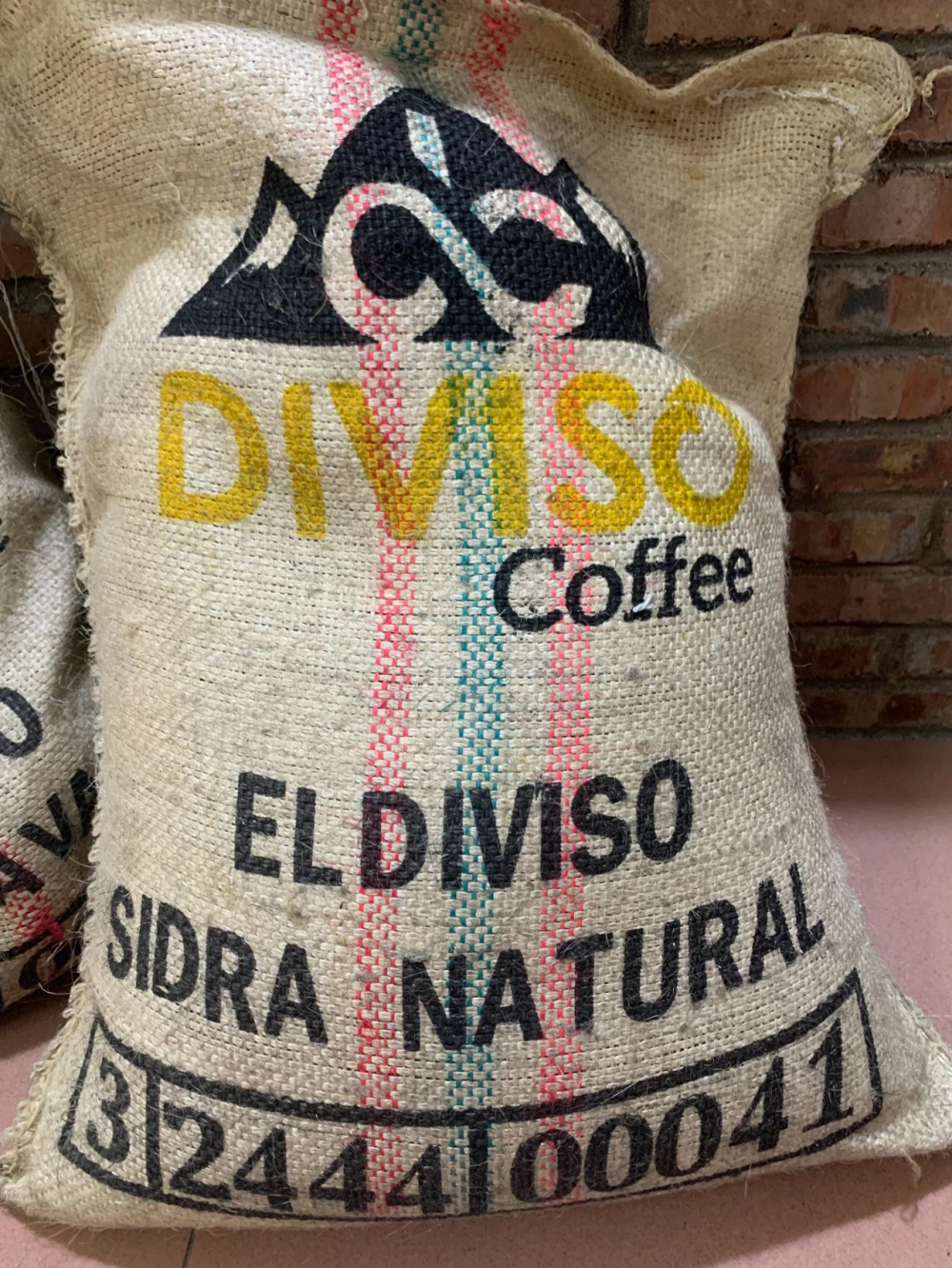
A well-known brand: Colombian Huila Coffee Beans
Region: Colombia Huila
Elevation: 1,500–1,800 meters
Processing Method: Washed
Variety: Caturra
Flavor: Nuts, dark chocolate, caramel, mild acidity
For brewing recommendations, since this Huila washed bean is medium-dark roasted with nut and chocolate as the dominant notes, it has a rich and full-bodied mouthfeel. To avoid over-extraction, a medium grind size and moderate water temperature are recommended, paired with a KONO filter for extraction to better highlight its mellow sweetness.
Brewing Parameters: KONO Filter, Water Temperature 90°C, 20-Number Standard Sieve Grind Size (Approx. Medium) at 75% Extraction Rate, Coffee-to-Water Ratio 1:15, 15g Coffee Dose, Using a Three-Stage Pour.
Steps: Place the coffee grounds into the filter, first pour twice the dose of water (about 30g) for a 30-second bloom. Then, pour with a small stream in a circular motion from the inside out until reaching 125g for the first pour. Once the coffee bed drops to the middle of the filter, continue pouring with the same fine stream until reaching 225g to complete extraction, with a total time of about 2 minutes.
This Colombian Huila washed bean delivers immediate notes of chocolate, nuts, and caramel upon entry, with a smooth, sweet mouthfeel and moderate body, presenting a clean and refreshing profile overall. As the temperature cools, subtle layers of fruity acidity emerge, making it an excellent everyday drinking coffee.
The above content is compiled by CoffeeHunters, a coffee news website.


