







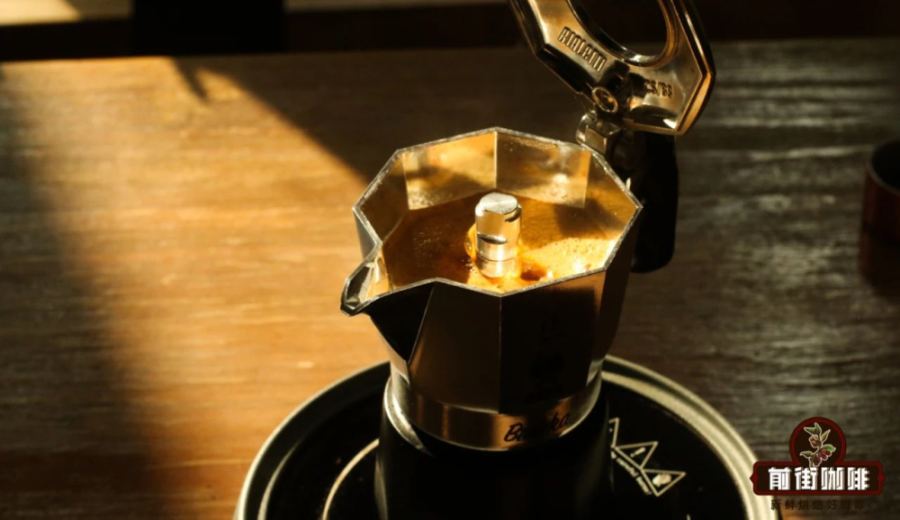
Introduction:The moka pot is the go-to tool for many households looking to brew espresso-style coffee. It’s affordable and easy to use, but to achieve a richly crema-topped, aromatic cup, you’ll still need to master the right techniques. This article will take an in-depth look at the structure and working principles of the moka pot, guide you step-by-step through the brewing process, and offer specific advice on common issues such as grind size, water volume, and heat control. We’ll also answer the question “What kind of coffee beans work best for a moka pot?” to help you easily elevate your home coffee experience.
If you want to enjoy a cup of coffee with intense aroma, bold body, and attractive crema at home, the moka pot is undoubtedly a great entry-level choice. Compared to professional espresso machines that can cost thousands, a good-quality moka pot is available for just a few hundred yuan and is very user-friendly, making it perfect for everyday use. However, to truly unlock its potential, you’ll need to understand how it works and learn some practical tips.
Let’s start by getting to know the basic structure of the moka pot. A typical moka pot consists of three main parts:Bottom chamberwhich holds the water,the middle filter basketwhere you place the ground coffee, andthe top chamberwhich collects the brewed coffee. When heated, the water in the bottom chamber turns into steam, creating pressure that pushes the hot water up through a narrow tube, passing through the coffee-filled filter, and finally into the top chamber as a coffee similar in strength to espresso. While the pressure generated is not as high as that of a professional machine, it’s still enough to extract the coffee’s oils and aromatic compounds.

The actual brewing steps are not complicated. First, add water to the bottom chamber, with the water level recommended to be about0.5 cm below the safety valveto avoid excessive steam pressure that could be dangerous. Next, fill the filter basket with finely ground coffee, level the surface gently without tamping it down. Place the filter basket into the bottom chamber, then screw the top and bottom chambers together tightly to ensure no air escapes. Place the moka pot on your heat source—preferably using low to medium heat to avoid over-extraction or bitterness caused by excessive heat. When you hear a hissing sound and see the coffee beginning to rise steadily into the top chamber, turn off the heat and let the residual heat finish the extraction.
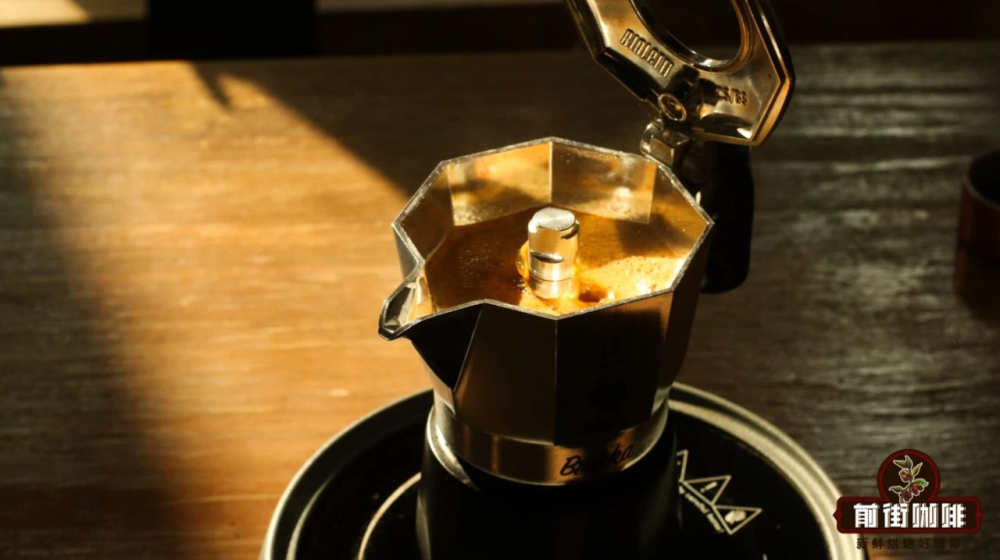
There are several details worth paying special attention to during the process. The first is the grind size of the coffee. The ideal grind range for a moka pot is roughly between0.3 mm and 0.55 mm, which is very fine, close to the standard for espresso. If you don’t have a dedicated grinder, you can buy pre-ground moka pot coffee or adjust the grind yourself using a grinder. If the coffee flows out too quickly, it likely means the grind is too coarse and needs adjustment. If you hear the hissing sound but the coffee isn’t coming out after a while, the grind may be too fine or the coffee too tightly packed—turn off the heat immediately to prevent overheating or excessive pressure.
Additionally, because the moka pot operates under pressure, safety is important. It’s recommended to use it on a stable stovetop and never leave it unattended. Use low to medium heat to allow gradual heat buildup, which helps with even extraction. If you’re using natural gas or an induction stove at home, adjust the flame according to the device instructions.
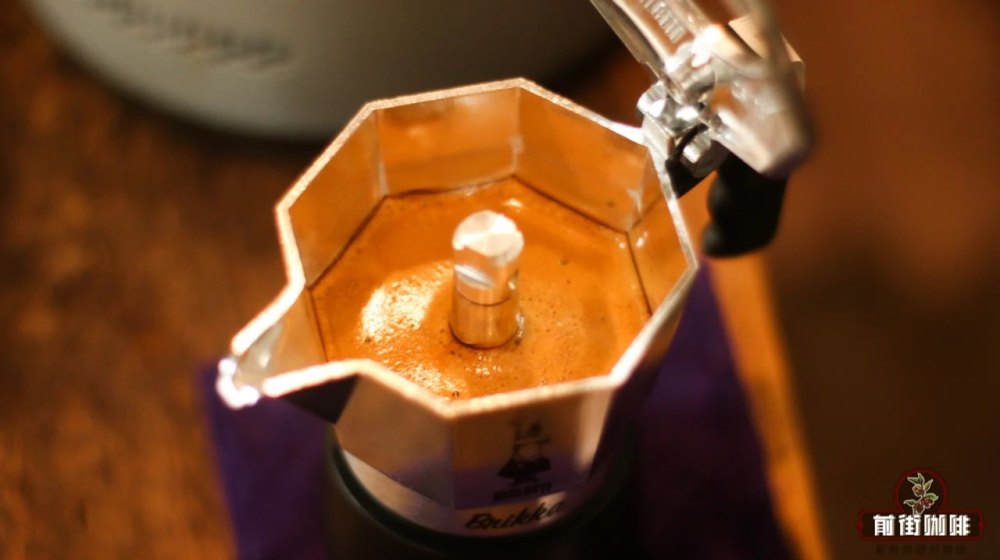
Many people wonder if coffee made with a moka pot can be considered true espresso. While it can’t achieve the high-pressure extraction of professional machines—and the crema thickness might differ slightly—a well-brewed moka pot coffee can still deliver rich aroma, full body, and a decent layer of crema, closely resembling the flavor profile of traditional espresso.
As for which coffee beans to choose? It’s recommended to usemedium to dark roastbeans. These typically have a fuller body and rich notes of caramel and chocolate, complementing the extraction characteristics of the moka pot. For example, blends from regions like Brazil, Indonesia, and Vietnam often showcase bold nutty, brown sugar, and subtle spicy notes, making them great for sipping straight or pairing with milk for drinks like lattes. If you prefer brighter, fruitier light roasts, you may find that the moka pot struggles to highlight their delicate layers and is more prone to over-extraction.
In summary, the moka pot is a highly practical and cost-effective coffee tool. Not only can it help you recreate a café-like espresso experience at home, but it also allows you to customize your coffee flavor to your liking. With the right grind size, coffee-to-water ratio, heat control, and brewing time, you can brew a cup of coffee with rich crema and enticing aroma using the moka pot, and enjoy your own special coffee moment.
The above content is compiled by CoffeeHunters, a coffee news website.


