







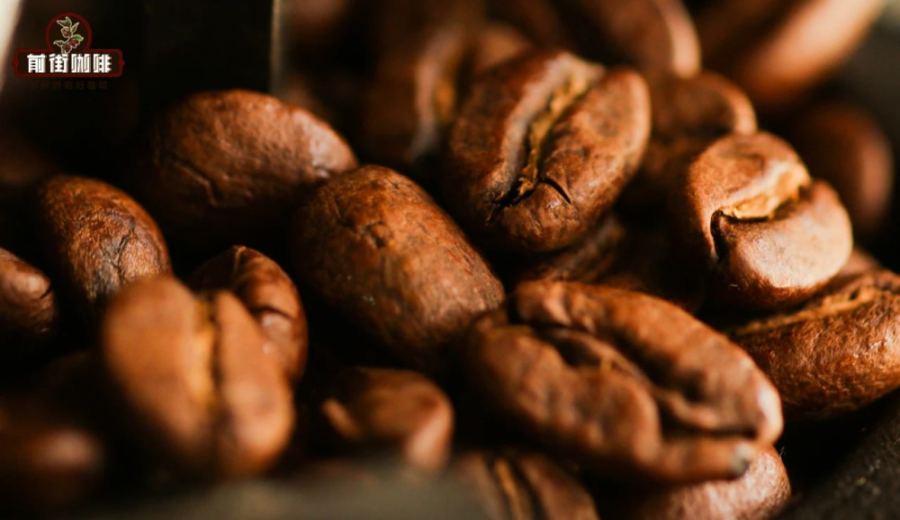
Introduction:Want to consistently brew delicious and balanced espresso at home or in your shop? The key lies in fine-tuning the coffee-to-water ratio, grind size, and extraction parameters. This article delves into the extraction principles of espresso—from dose selection and flow rate control to the impact of pressure and water temperature—step by step guiding you to understand how each variable shapes the final flavor. It also includes practical extraction parameters and flavor profiles of classic blends to help you translate data into a delightful tasting experience.
Espresso is a concentrated coffee brewed under high pressure, traditionally around 30 milliliters (1 ounce). However, with the rise of specialty coffee culture, more and more baristas are adjusting extraction methods based on the unique characteristics of different beans to fully showcase their complexity and personality. Take the popular Sunflower Warm Sunshine blend as an example: it’s brewed at 9 bar pressure, with water temperature controlled between 90–94°C, using 19–20 grams of coffee grounds to produce 40 grams of espresso in 25–30 seconds, delivering a balanced profile of winey notes, chocolate, and delicate acidity.
To consistently brew a great-tasting espresso,the coffee-to-water ratioandgrind sizeare two core elements. However, many people overlook another critical factor—re-evaluating and adjusting extraction parameters daily. This is because the internal flavor compounds and carbon dioxide content of coffee beans continuously change after roasting. Especially for dark-roasted espresso beans, which initially contain a high amount of CO₂, this directly affects the texture of the crema and the release of flavors.
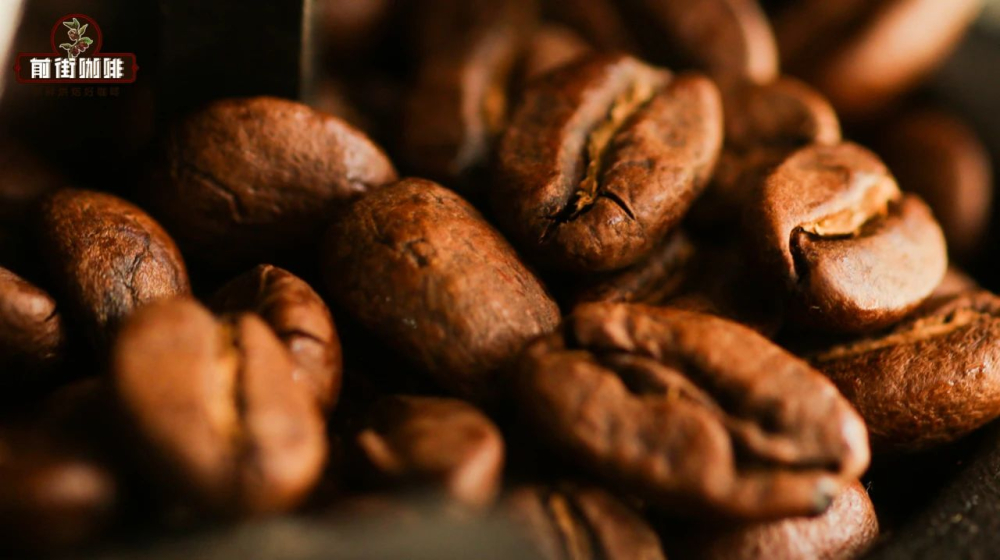
Generally, newly roasted coffee beans should be allowed to degas for about 7 days before use. This resting period helps stabilize the beans, release excess gases, and ensure more consistent extraction. Even after the degassing period, carbon dioxide and flavor compounds continue to dissipate, so extraction parameters that worked perfectly yesterday may not yield the same results today. That’s why regularly—ideally daily—recalibrating extraction conditions is essential for maintaining stable espresso flavor.
Next, we’ll take a deeper look at how to practically adjust and understand these extraction parameters. First, you need to clarify what type of coffee you most frequently prepare. In most coffee shops, lattes and Americanos are the bestsellers—not straight espresso. Therefore, it’s recommended to prioritize adjusting espresso parameters suitable for these common bases, rather than solely chasing the optimal single-shot espresso profile.
Each extraction parameter has its own significance and impact:
Doseis usually determined by the capacity of the portafilter basket. Too little or too much can affect puck density and flow rate. For example, using 20 grams of coffee to produce 40 grams of espresso is a standard double shot setting; for a single shot, about 7–8 grams of coffee are used to yield roughly 15 grams of espresso. If the dose is too small, the puck may be too loose, causing overly fast flow and under-extraction; conversely, too much coffee can make the puck too dense, preventing water from passing through smoothly, prolonging extraction time, or even blocking flow entirely.
Ratiorefers to the weight ratio of coffee grounds to extracted liquid, typically ranging between 1:1.5 and 1:2.5, with 1:2 being the most common standard. For instance, 20 grams of coffee to 40 grams of espresso is a 1:2 ratio. A lower ratio often results in a heavier, over-extracted bitter taste; a higher ratio can make the flavor thin or even sour due to under-extraction.
Timeis the total duration from the start to the end of extraction, mainly influenced by grind size and ratio settings. Generally, higher ratios require more water and thus extend the brew time. Grind size directly affects puck density—finer grinds slow down flow and prolong extraction time, but excessively fine grinding risks over-extraction. Therefore, adjusting grind size is key to balancing time and extraction.
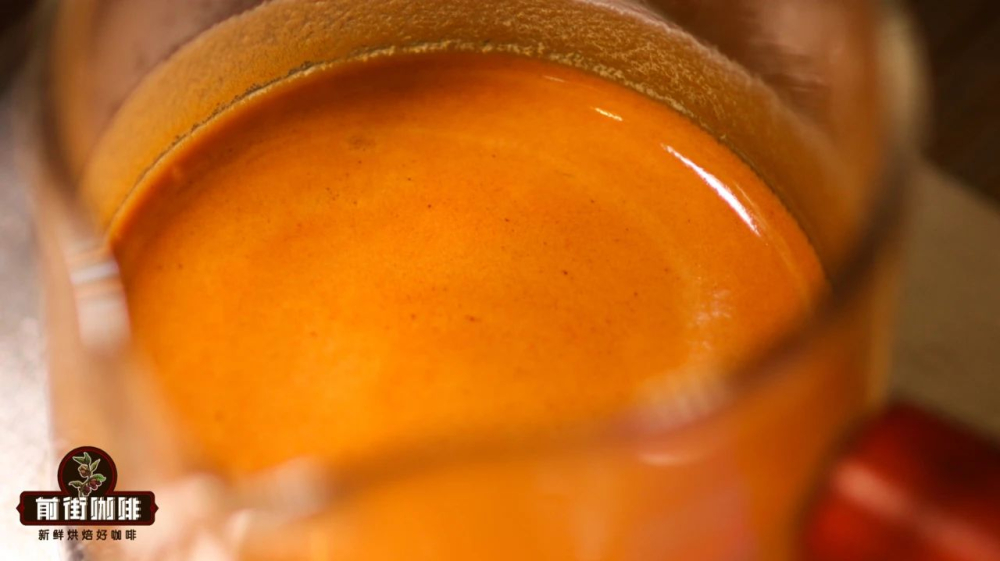
Flow rateis an intuitive indicator of overall extraction balance. Ideally, coffee should begin dripping around the 5-second mark and maintain a steady flow—for example, yielding about 34–40 grams of espresso in 30 seconds. A fast flow often indicates a grind that’s too coarse or insufficient dose, leading to under-extraction; a slow flow may suggest a grind that’s too fine or excessive pressure, risking over-extraction.
Pressureis typically maintained around 9 bar, determined by the espresso machine’s design capabilities. Too low a pressure reduces extraction efficiency and hinders flavor release; too high a pressure can lead to over-extraction, resulting in overly intense or even burnt flavors.
Water temperatureis another crucial factor, ideally controlled between 90–94°C. Excessively high temperatures may cause over-dissolution of flavor compounds, resulting in pronounced bitterness and a burnt sensation; conversely, too low a temperature can make the coffee taste sour and thin, exhibiting signs of under-extraction.
Take the well-received Sunshine Blend as an example: it combines Ethiopian natural red cherry and Honduran whiskey barrel-fermented sherry beans in a 3:7 ratio, then medium-dark roasted. Brewed at 9 bar pressure, 90–96°C water temperature, with a 20-gram dose and 40-gram yield, it completes extraction in 25–35 seconds, showcasing rich winey notes, soft acidity, and a lingering chocolate finish. Its actual flavor profile includes pronounced fruity acidity, berry aromas, subtle wine notes, and a persistent chocolate and cream aftertaste—making it a prime example of a well-balanced espresso.
The above content is compiled by CoffeeHunters, a coffee news website.


