







Introduction:To brew a high-quality espresso, the key lies in accurately mastering the coffee dosage and extraction ratio. This article will delve into the extraction strategy based on 20g of coffee grounds, including the ideal coffee-to-water ratio, techniques for adjusting grind size, observing flow rate and flavor judgment, as well as practical extraction steps and tasting suggestions to help you pull a balanced and layered shot of espresso.
When brewing a standard espresso, the amount of coffee grounds and the fineness of the grind are arguably the two most impactful factors. Unlike methods such as pour over or cold brew that operate under normal pressure, espresso relies on high pressure to complete extraction in an extremely short time, meaning any minor deviation in parameters will be directly reflected in the flavor profile. This piece will focus on the core question of "how much liquid should be extracted from 20g of coffee grounds," guiding you to understand how to bring out the fullest flavor spectrum of espresso by adjusting grind size, controlling flow rate, and selecting the appropriate coffee-to-water ratio.
When it comes to espresso extraction, the first question you’ll encounter is: how much coffee should you use? Generally, the capacity of portafilters in home or professional machines is around 20g, and the corresponding yield often falls around 40g, which is the so-called 1:2 coffee-to-water ratio. However, this is not a fixed standard—in reality, depending on bean variety, roast level, and personal taste, this ratio can be flexibly adjusted between 1:1.5 and 1:2.5.
As for grind size, the coffee required for espresso needs to be finer than what is commonly understood as “fine,” with a texture close to fine salt, even finer than many commercially available fine grinds. This extreme fineness allows for effective extension of water contact time with the coffee grounds under high pressure, extracting sufficient flavor compounds and crema. However, due to the extremely fine grind, slight mishandling can easily lead to channeling or over-extraction, so beginners are advised to observe flow rate and actual taste to deduce the most suitable grind setting.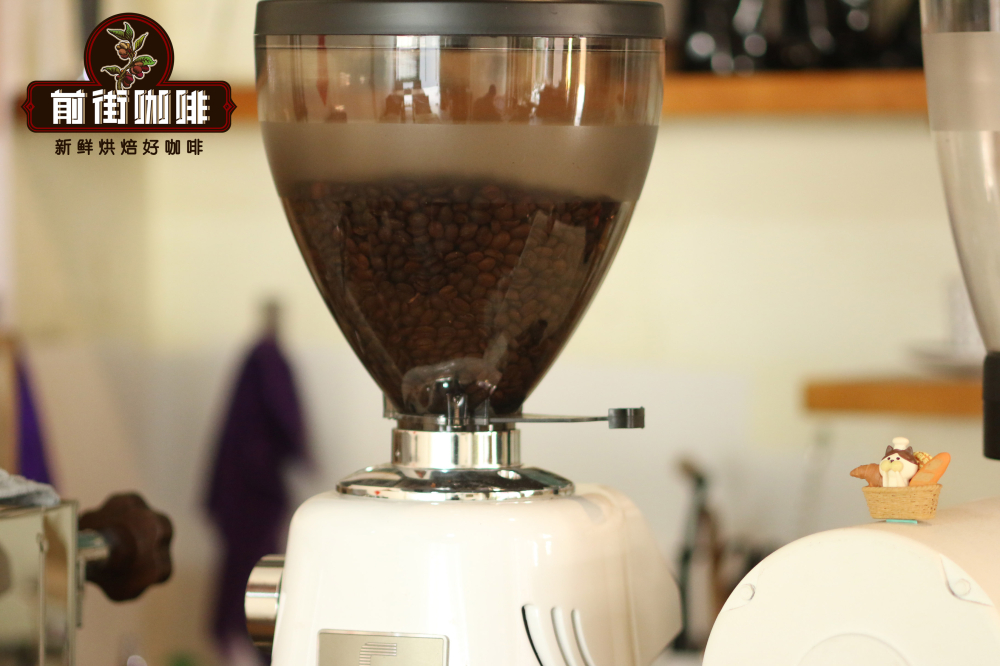
If you’re using a new coffee for the first time, it’s recommended to start with a middle grind setting and observe the texture of the coffee grounds. Ideally, the coffee should be as fine as flour, smooth to the touch without any granular feel. Then, you can try a 1:2 ratio test extraction—for example, using 20g of coffee grounds with a target yield of 40g of espresso, keeping the extraction time between 20 to 30 seconds. If the extraction takes less than 20 seconds, the flow is too fast, and the grind should be adjusted finer; if it exceeds 30 seconds, the flow is too slow, and the grind should be made coarser. When adjusting, if you're not far off the ideal time, tweak by 0.2 steps at a time; if the difference is significant, adjust by 0.5 to 1 step at a time, gradually narrowing down to find the optimal range.
It’s important to note that flow rate doesn’t just affect the body of the espresso—it also directly influences flavor expression. A too-fast flow often leads to under-extraction, resulting in sharp acidity and thin mouthfeel; conversely, a too-slow flow can easily cause over-extraction, producing noticeable burnt bitterness and astringency. In addition, observing the color and texture of the coffee crema is also one indicator of successful extraction—the crema should be dark brown to reddish-brown, with a fine and fluid texture.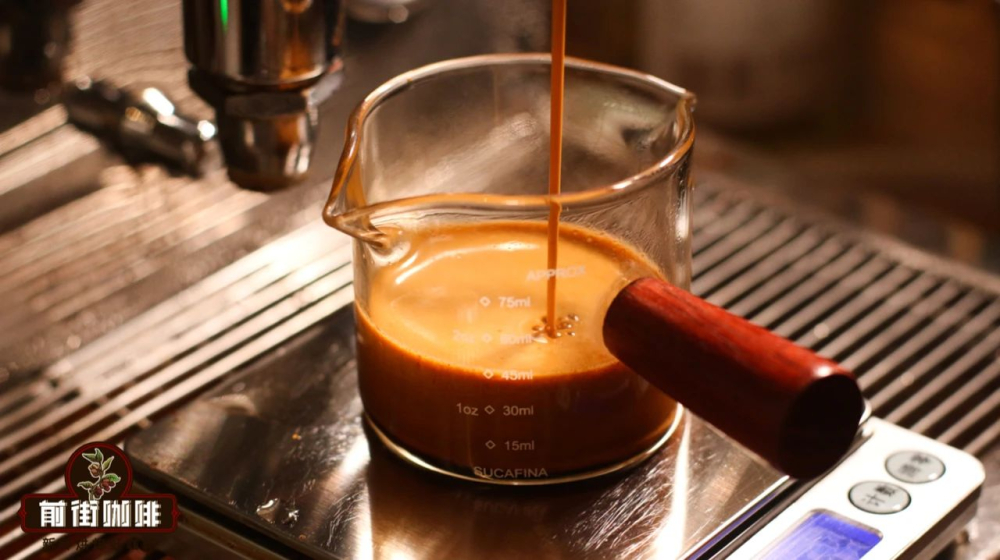
Once you’ve preliminarily locked in your grind range through formulas and flow observation, the next step is to fine-tune based on the actual flavor of the shot. If the coffee has an overly heavy burnt bitter aftertaste, it may be due to overlong extraction time—you might consider slightly coarsening the grind. If you notice the crema is pale, thin on the surface, or there may be too many impurities in the tail end, you can adjust the coffee-to-water ratio to 1:1.5 to 1:1.7, reducing the total yield. On the other hand, if the coffee lacks flavor development or has a short aftertaste, you can try increasing the yield to 1:2.5 to allow more layers of flavor to emerge. It’s worth emphasizing that 1:2 is merely a common reference value—each coffee bean has its own unique performance window. It’s recommended to record each adjustment's parameters and corresponding flavors to build your own extraction database.
Finally, tasting espresso is also an art. Before taking a sip, it’s recommended to drink a sip of ice water to reset your taste buds and enhance your perception of the delicate flavors of the coffee. Next, gently stir the espresso with a spoon to evenly distribute the concentration and reposition the crema, avoiding overly intense or thin flavors in any single area. For beginners, stirring can significantly reduce the bitterness impact caused by concentrated crema, resulting in a more balanced overall mouthfeel. Of course, if you wish to experience a richer layering, you can also choose not to stir and take small sips directly.
When you take a big sip of espresso, letting the liquid cover your entire tongue—especially the back—you’ll be able to feel the silky texture and rich aroma brought by the crema. If it’s a light-roast single-origin espresso (SOE), due to the lower roast level, the resulting crema and oils will be relatively less, resulting in a cleaner but still layered taste. Finally, remember to swallow and then breathe in through your nose with your mouth closed to appreciate the aftertaste rising from your throat, and pair it with a sip of water to let the overall flavor linger in your mouth, completing this sensory journey of espresso.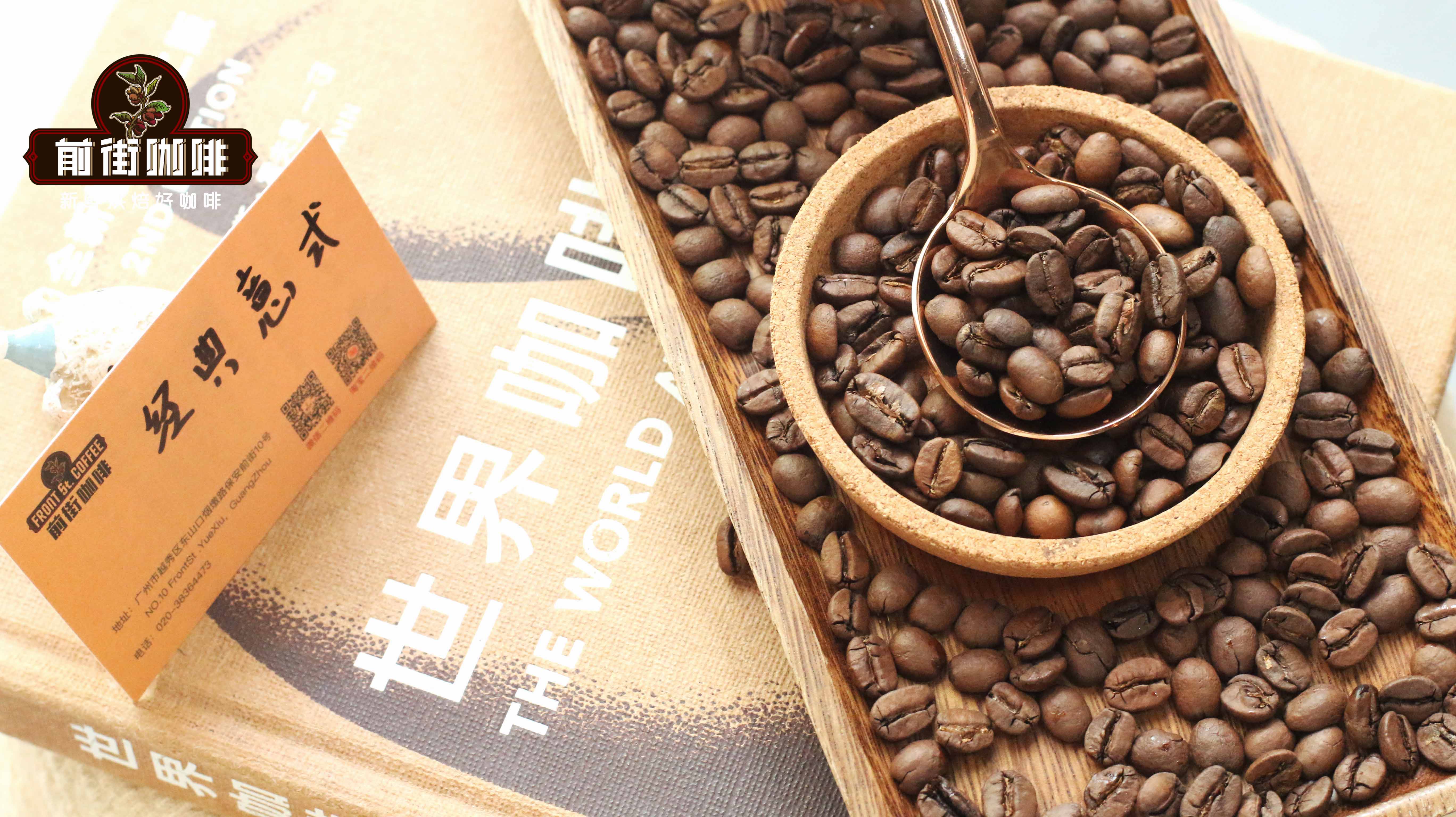
The above content is compiled by CoffeeHunters, a coffee news website.


