







Introduction:Aged Mandheling, through a special warehousing maturation process, achieves a rich mouthfeel and low acidity that is distinctly different from regular fresh beans, making it a favorite among many coffee connoisseurs. This article delves into the origins of the aging process, the flavor transformations during maturation, compares the key differences between aged Mandheling and Golden Mandheling, and also guides you through the essential points for selecting top-grade Sumatran coffee, teaching you how to identify truly high-quality products.
The reason why aged Mandheling is highly regarded among coffee enthusiasts lies in its unique aging processing method. This technique involves prolonged and proper storage, allowing the fruit acids in green beans to gradually transform, ultimately presenting a flavor profile that is rich, low in acidity, and distinctly sweet, with a thick mouthfeel and layered complexity—forming a strong contrast to regularly roasted fresh beans. If you enjoy bold black coffee with a heavy body and long-lasting aftertaste, aged Mandheling is definitely worth a try.
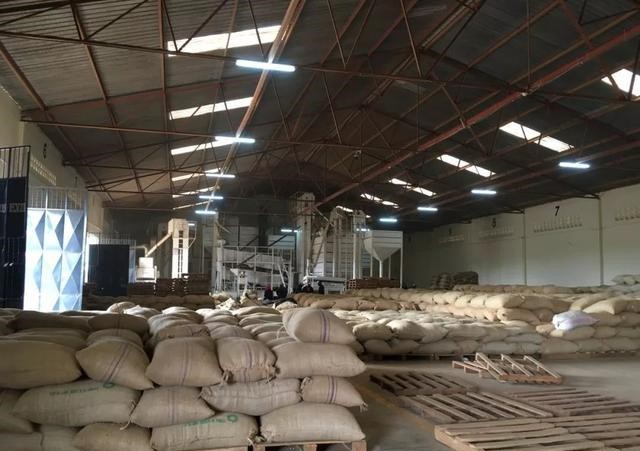
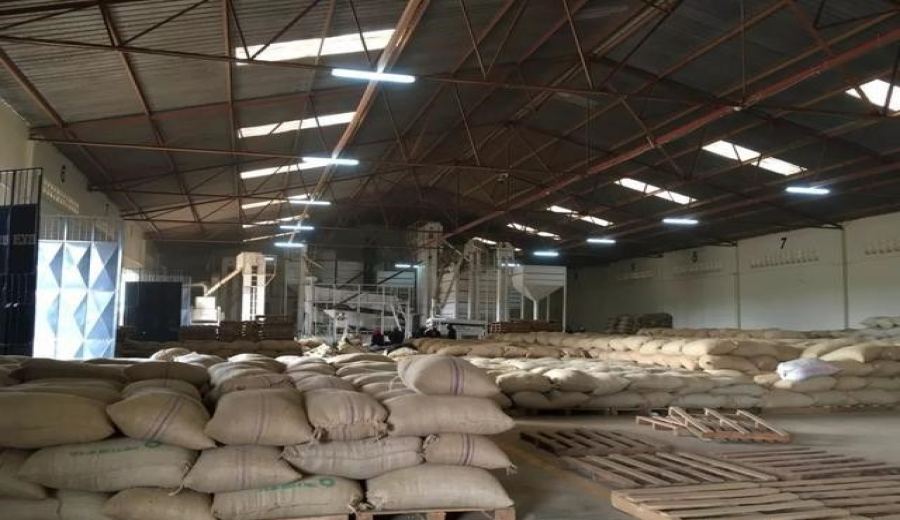
The so-called aging process is actually an extremely meticulous green bean maturation technique. Its core lies in using a strictly controlled storage environment to allow the coffee beans to slowly mature under specific temperature and humidity conditions. During this time, acidity gradually decreases while accumulating complex aromas reminiscent of aged wine. This process shares similarities with the aging of alcoholic beverages—it requires a long period of sedimentation to achieve what can be considered truly aged coffee. The inherent fruit acids in Mandheling gradually shift from sharp to mellow over the course of 24 months of maturation, while also developing intense sweetness and a thick texture, which is precisely the most captivating aspect of aged Mandheling.
Interestingly, aged coffee actually has a rather long historical origin. In the early days, when Indonesian coffee was exported, the lengthy sea voyages lasting several months would naturally dry the fresh beans, coupled with the influence of sea breezes, forming a unique aged flavor. Although modern shipping efficiency has greatly improved, this time-honed special mouthfeel has been developed into a specialized processing technique. Of course, true aged beans are not just unsold beans stored for years—they are managed and matured under strict standards by professional teams at the origin for up to two years, during which the beans are regularly turned to prevent moisture or mold, making it quite a labor-intensive craft.
So, which is better—aged beans or fresh beans? There’s actually no definitive answer. Most coffee does indeed taste best when freshly brewed, but aged beans follow a different flavor trajectory, just as different roast levels bring out completely distinct tastes. It’s important to note that true aged beans are stored according to standardized procedures at the origin and come with clear vintage labeling. The common belief that aged beans are just unsold stock kept for years is a misunderstanding.
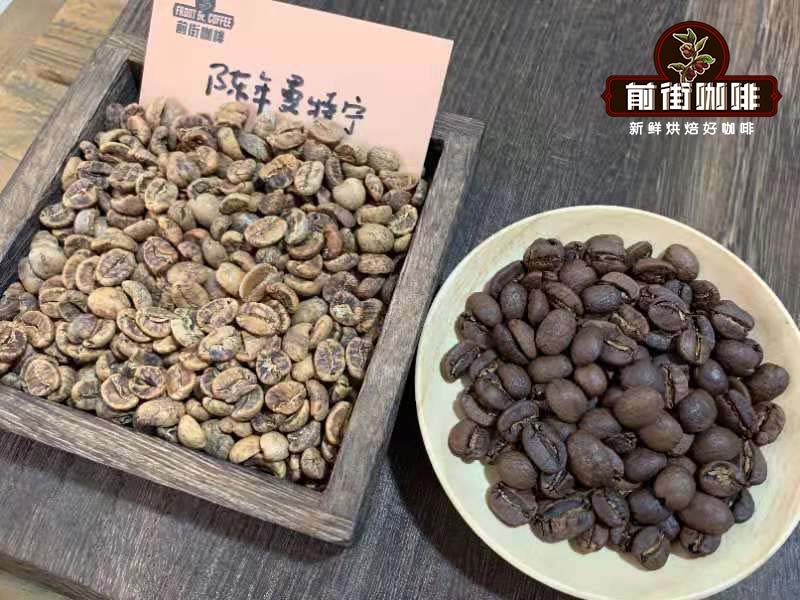
Correctly aged coffee beans will show noticeable changes in both appearance and flavor. Typically, acidity is significantly reduced, the bean color darkens and appears drier, yet the mouthfeel becomes thicker and more viscous, with sweetness becoming more pronounced. Some originally obvious green bean defects may even become less noticeable. However, due to long-term storage in relatively dark and humid environments, improper control may lead to complex, though not necessarily pleasant, aromas such as mold, leather, or burlap. Therefore, the storage conditions of aged beans are crucial—they must be regularly turned and strictly controlled for temperature and humidity. These tasks are usually handled by green bean traders or professional warehousing facilities.
When it comes to coffee from Sumatra, Mandheling is undoubtedly the most representative variety. The coffee produced here is world-renowned for its rich texture and unique flavors, and differences in processing methods can lead to vastly different taste profiles. Among them, the PWN Golden Mandheling from a well-known roaster is a top-tier representative that has undergone multiple rounds of selection—not only offering a rich mouthfeel but also a relatively clean flavor profile. Sumatran coffee is vastly different from the bright fruity acidity of East African beans, instead showcasing a thick texture, complex acidic notes, intense herbal and wild mushroom tones, and an unforgettable long-lasting aftertaste.
If you wish to taste the essence of top-grade Sumatran coffee, it is recommended to prioritize the highest-grade PWN Golden Mandheling. This coffee bean is grown in the Gayo Highlands of North Sumatra, at an altitude of about 1100-1600 meters, with the Ateng variety, and is processed using the traditional wet hulling method. After medium-dark roasting, in addition to showcasing rich caramel and nutty aromas, the brewed black coffee has a thick and solid mouthfeel, making it particularly suitable for coffee lovers who prefer less pronounced acidity.
Speaking of PWN Golden Mandheling, it is actually a premium brand under the Indonesian green bean company Pawani and is registered with an exclusive trademark in Indonesia. For this reason, there are many counterfeit “Golden Mandhelings” on the market, but only products genuinely exported by Pawani, with the PWN logo printed on the sacks and accompanied by relevant certificates, are authentic. When purchasing, it is advisable to carefully verify the trademark and documentation to avoid buying imitation products.
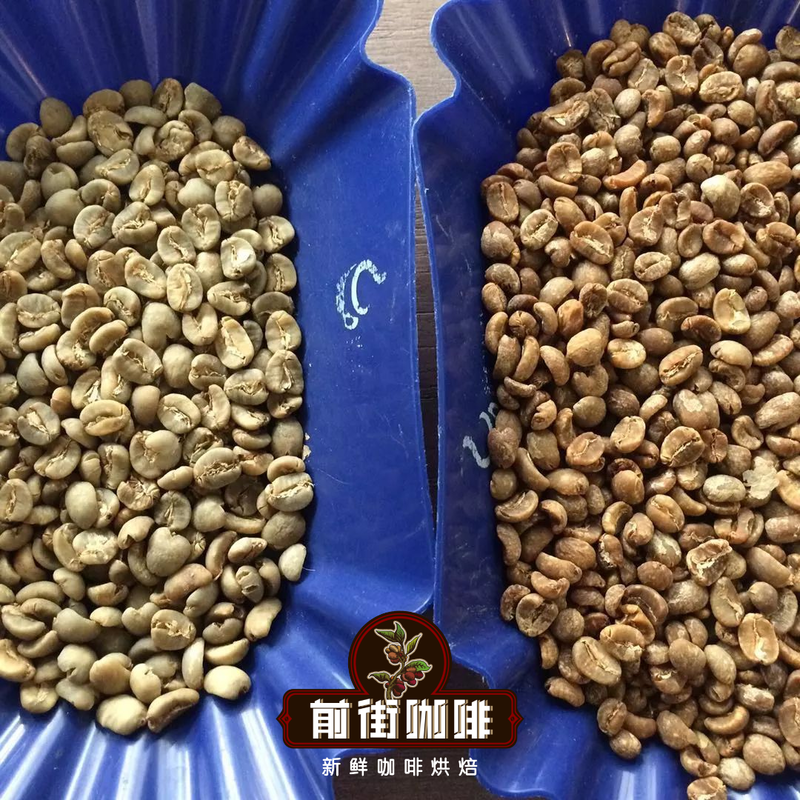
Another noteworthy point is that although the wet hulling method can impart unique aromas and textures to the coffee beans, it also increases the risk of mold infection. The reason why PWN Golden Mandheling can maintain its clean and rich characteristics lies in its strict selection process. After processing, the green beans undergo machine sorting and three rounds of manual selection, with a grade designation of “TP,” ensuring each bean meets high standards, with an extremely low defect rate, uniform particle size—this is also the key to its elegant flavor profile.
The above content is compiled by CoffeeHunters, a coffee news website.


