







Introduction:Delve into the grading logic and regional characteristics of Ethiopian Yirgacheffe G1 coffee beans, understand the evaluation criteria for defect ratios, and explore the impact of the natural processing method on flavor. This article provides a detailed breakdown of the scoring basis for Yirgacheffe G1 grade, compares international grading differences such as those in Kenya and Jamaica, and also offers practical V60 pour over recommendations and flavor profiles — a comprehensive guide for coffee enthusiasts getting started with Yirgacheffe.
As the birthplace of coffee, Ethiopia boasts an extremely rich coffee gene pool, where a variety of coffee varieties often grow mixed together, and even local farmers find it difficult to distinguish them precisely. For this reason, coffee beans produced within Ethiopia are generally referred to as "Ethiopian heirloom varieties," without being broken down into single varieties. However, despite the complexity of the varieties, Ethiopia still has a clear and practical coffee bean grading system, where the "number of defective beans" is the core indicator determining the grade and also a crucial basis for assessing coffee quality.
Yirgacheffe (Sidamo) is one of the renowned specialty coffee regions in southern Ethiopia, known for producing coffee that features bright citrus acidity and gentle berry tones, beloved by coffee lovers around the world. Among them, Yirgacheffe G1 grade coffee beans represent an extremely low number of defective beans and are among the top-tier grades. This article will deeply analyze how Ethiopia grades coffee based on the number of defective beans in 300 grams of green beans, helping you understand the evaluation criteria and unique flavors of Yirgacheffe G1, while also comparing how the grading systems of other major regions such as Kenya and Jamaica differ.
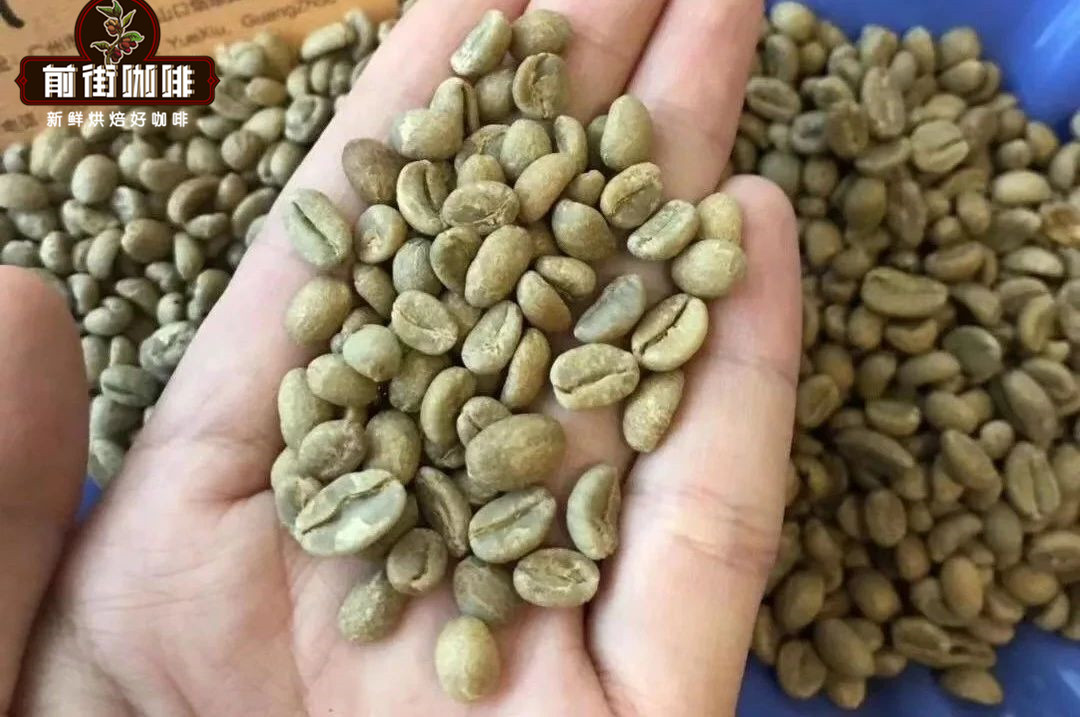
Ethiopia’s grading system is mainly based on three factors: the altitude of the producing region, the screen size of the green beans (i.e., bean size), and the number of defective beans in every 300 grams of green beans. The fewer the defective beans, the higher the quality of that batch of coffee. For example, Yirgacheffe G1 grade means there are no more than 3 defective beans in 300 grams of green beans — an exceptionally high standard rarely seen in the market. In contrast, G2 grade allows 4 to 12 defective beans, G3 allows 13 to 25, G4 allows 26 to 45, and G5 allows as many as 46 to 90. Most Ethiopian coffee circulating in the market is G1 to G2 grade, mostly washed processed, while natural batches previously often fell into G3 to G5. However, with advances in processing techniques, naturals can also achieve high-quality G1 and G2 grades.
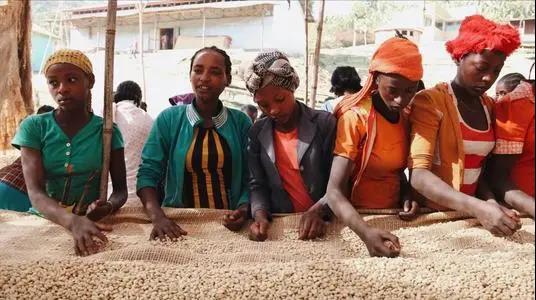
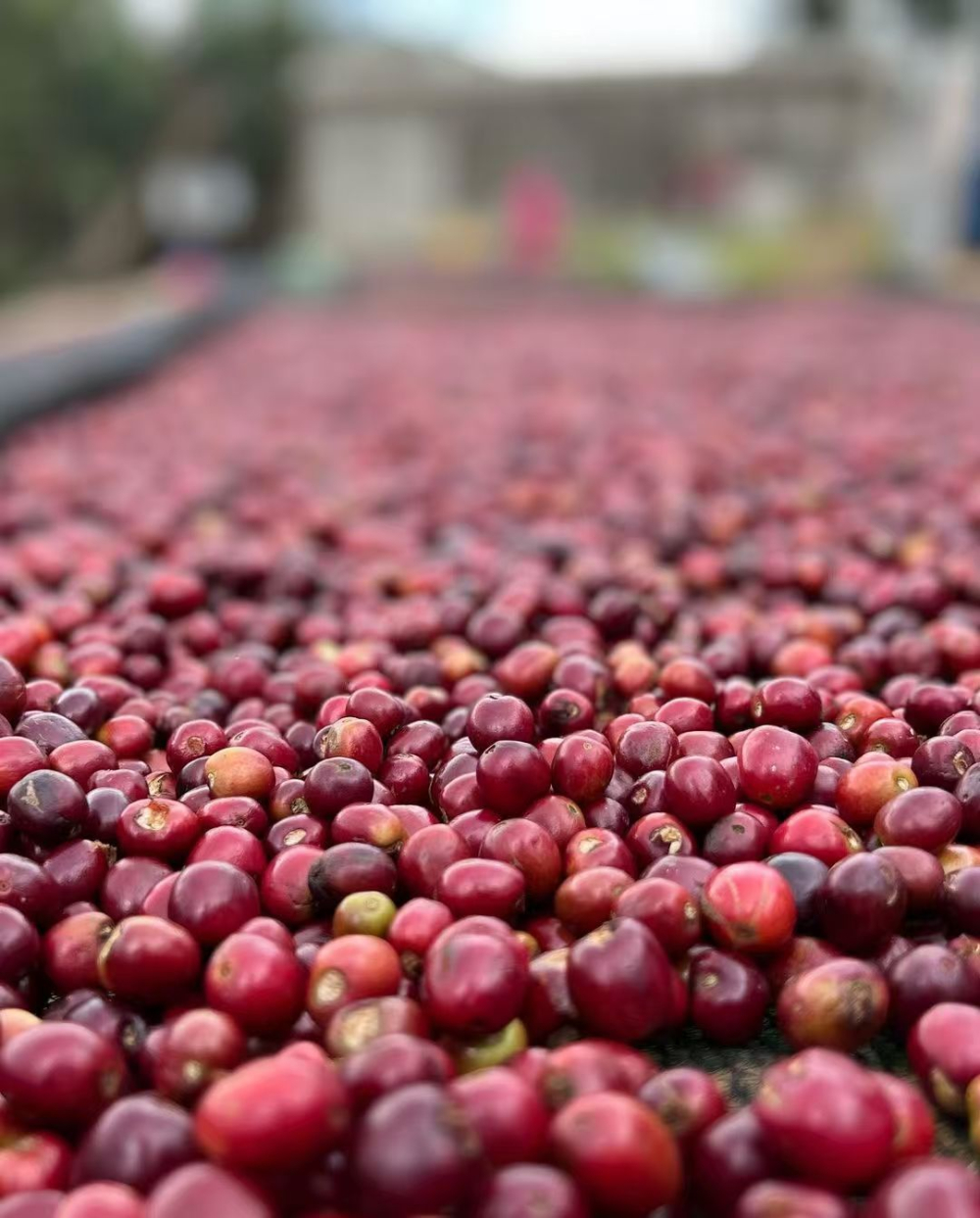
Coffee beans from the Yirgacheffe region often use the natural processing method. This approach involves first removing visibly defective or impure cherries, then placing the whole coffee fruit on raised drying beds to undergo two to four weeks of natural drying, and finally using a hulling machine to remove the parchment. This process imparts the coffee beans with rich berry and fruity tones, as well as preserving certain citrus aromas. But if the natural drying process is not properly controlled, it can easily produce earthy or off-flavors, resulting in flavor loss. Therefore, stable processing techniques are key to whether Yirgacheffe natural coffee can reach the G1 grade.
For coffee enthusiasts trying Yirgacheffe natural G1 for the first time, it is recommended to start with carefully selected high-quality batches, such as those from the rigorously screened ALO village region. The fresh cherries of this batch are initially cleaned and sorted during harvest, with only perfectly ripe fruits selected to ensure that the final flavor exhibits the sweetness and complex layers of mature fruit. Such coffee beans often show distinct sweet orange, berry, and citrus tones, paired with soft acidity, making them representative of the essence of Yirgacheffe flavors.
It is worth mentioning that many well-known Ethiopian regions, such as Yirgacheffe and Guji, were originally part of Sidamo, but due to the highly recognized unique flavors of their coffee, they were eventually independently designated by the Ethiopian Commodity Exchange (ECX). This has allowed Sidamo, as the parent region, to continue nurturing diverse and high-quality coffee varieties. However, since most Ethiopian coffee trees are wild or semi-wild, the varietal diversity is extremely high — nearly 2,000 varieties have been recorded, of which 1,927 are native varieties and the rest are introduced. While this gene pool is abundant, it also leads to inconsistencies in the appearance and size of coffee beans, making it difficult to use screen size (such as 15, 16, 17, etc.) alone as a grading criterion.
Unlike countries such as Tanzania, Rwanda, Colombia, or Jamaica, which often grade beans primarily by size, Ethiopia places greater emphasis on defect rates and overall flavor potential. For example, Kenyan coffee beans are divided into eight grades: E (Elephant bean), AA, AB, C, PB, TT, T, and MH/ML, while Jamaican coffee is classified as NO.1, NO.2, NO.3, and PB (peaberry), with NO.1 requiring beans to be at least 17/64 inch (17 mesh) in size and with a defect rate no higher than 3%. In comparison, Ethiopia’s grading is closer to actual flavor performance, especially in the nuanced control of differences between natural and washed processing, ensuring that G1 grade is not just an external standard but also a guarantee of flavor purity.
To enhance coffee quality and farmer income, some Ethiopian regions have initiated projects such as the “Red Cherry Project,” encouraging farmers to select coffee cherries at optimal ripeness and conduct manual sorting after harvest to remove defective and unripe beans, followed by meticulous natural processing. These coffees usually have more consistent ripeness, resulting in more even development during roasting, ultimately showcasing rich floral notes, fruit acidity, and high sweetness. One coffee business once launched natural red cherry coffee beans produced under this project, and its roasting and extraction flavor performance demonstrated an exceptionally high level.
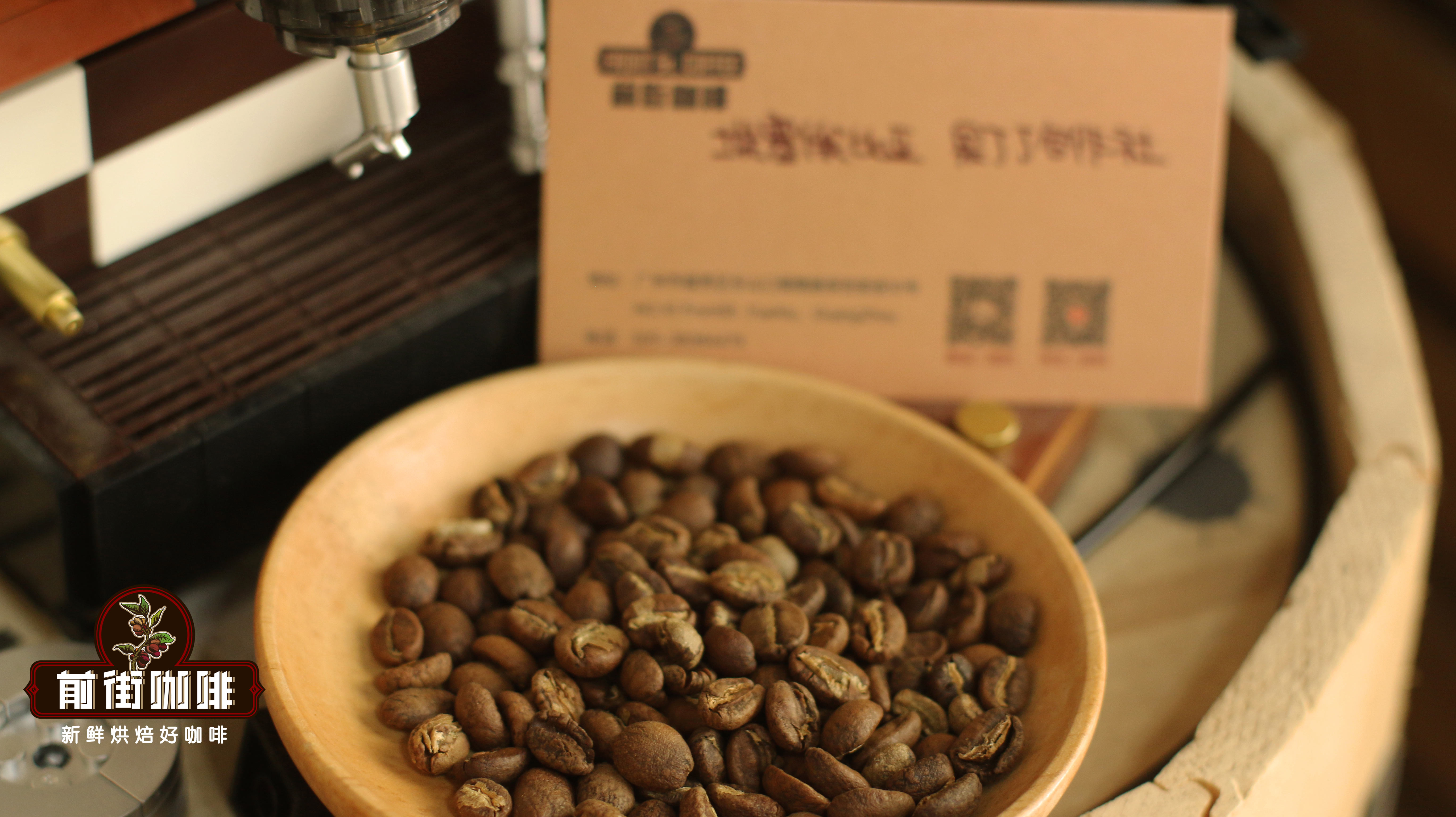
For brewing Yirgacheffe G1 natural coffee, it is recommended to use a V60 filter cone with a grind size similar to fine sugar (approximately 78% passing through a #20 sieve), with water temperature controlled between 92-93°C and a coffee-to-water ratio of 1:15. The specific steps are as follows: first pour 30 grams of hot water for a 30-second bloom; then add 95 grams of water over about 1 minute, bringing the total to 125 grams; finally, when the water level drops to 2/3 of the coffee bed, add another 100 grams of water to reach a total extraction volume of 225 grams, with the entire brew time controlled to around 2 minutes and 10 seconds. This parameter setup helps fully extract fruit acids and aromas while avoiding over-extraction that could lead to bitterness.
The flavor profile of Yirgacheffe natural red cherry G1 coffee brewed by the above method typically includes distinct notes of lemon, licorice, citrus, and berries, with sweet orange tones running throughout, and a finish that carries layers of caramel, cream, and black tea — high in sweetness with a long-lasting aftertaste. It is a classic that showcases the terroir characteristics of Ethiopian highland coffee.
The above content is compiled by CoffeeHunters, a coffee news website.


