







Introduction:You don't need an espresso machine to brew a delicious Americano at home. This article takes an in-depth look at how to use two common home brewing devices—the moka pot and the drip coffee maker—covering everything from grind size, coffee-to-water ratio, and water temperature settings to practical step-by-step instructions. It explains in detail how to avoid common issues such as over-extraction or overly weak flavors. Additionally, it compares the taste profiles produced by each method and recommends several suitable coffee beans based on different roast profiles, helping you easily brew a black coffee that suits your personal taste.
Enjoying a smooth and easy-drinking Americano at home doesn’t necessarily require an expensive espresso machine. In fact, the moka pot and drip coffee maker—two commonly used home brewing tools—are highly practical alternatives. This article will provide a comprehensive introduction to these two devices, including key parameters such as grind coarseness, coffee-to-water ratio, water temperature control, and specific brewing steps, helping you effectively avoid common problems like over-extraction or overly thin flavors. Furthermore, it compares the taste differences between the Americanos made by each method and recommends appropriate roast levels and specific bean varieties based on different flavor preferences. Whether you prefer bold and rich flavors or clean and refreshing ones, you’ll be able to find the perfect cup of black coffee that suits your palate.
 Many people mistakenly believe that it’s impossible to make a coffee with decent strength at home without professional equipment. However, while the coffee brewed with a moka pot isn’t the same as traditional espresso, it does have a similarly rich and intense profile. By simply controlling the dilution ratio when adding water afterward, you can easily transform it into an ideal Americano.
The so-called Americano is not just "espresso plus hot water." With the popularity of international chains like Starbucks, many people directly associate Americano with "concentrated coffee diluted with hot water." But from a technical standpoint, an Americano generally refers to a lower-concentration black coffee. Especially in the United States, consumers tend to favor black coffee with a relatively clean and mild taste, which is why this type of light and everyday-friendly coffee is widely referred to as "Americano" or "American coffee."
If you want to make an Americano at home by yourself but don’t have an espresso machine, there’s absolutely no problem. This article recommends two practical and easy-to-use tools: the moka pot and the drip coffee maker, both of which are well-suited for general home or office environments.
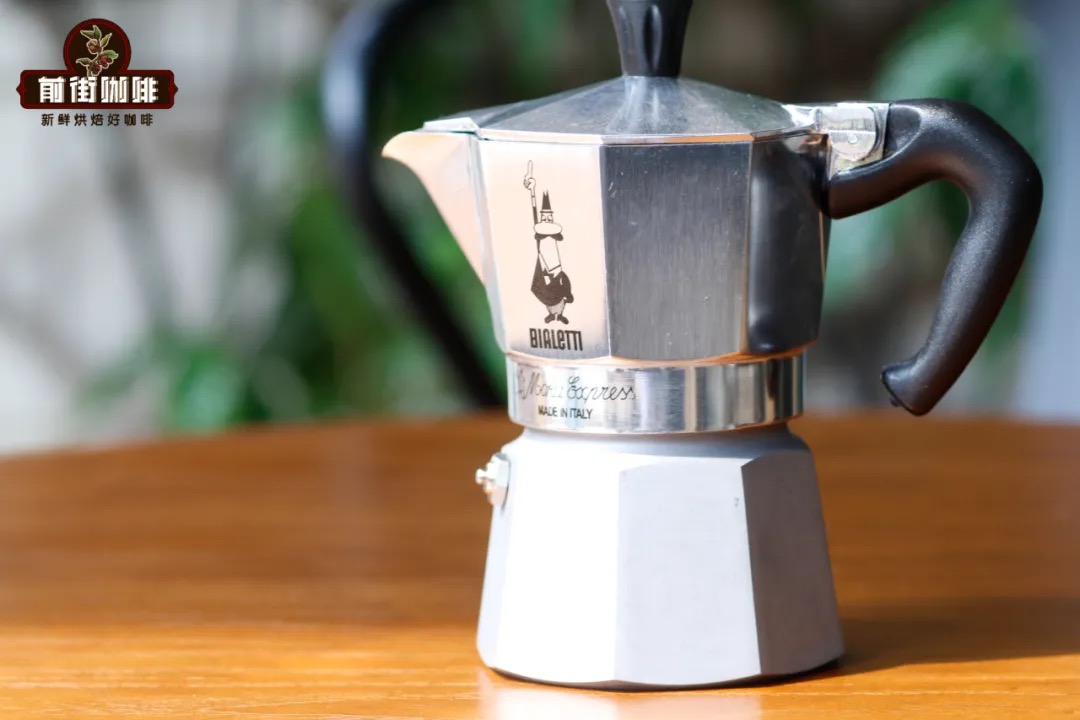
Let’s start with the moka pot. This classic Italian coffee tool primarily uses the steam pressure generated by heating water in the lower chamber to push the hot water upward through a filter filled with coffee grounds located in the middle, and then it flows up through a central tube into the upper chamber. When using a moka pot,the coffee grounds should be ground to a fineness close to that used for espresso.As long as the powder doesn’t leak out from the holes at the bottom of the filter, it should be as fine as possible to facilitate sufficient extraction.
In terms of coffee-to-water ratio, it’s usually recommended to fill the coffee chamber with grounds level with the rim before grinding. The water level should be controlled atabout 0.5 cm below the pressure relief valve on the lower chamberfor optimal results, as this helps avoid excessive pressure or over-extraction. For heating, it’s advisable to use pre-boiled hot water, which reduces waiting time and lowers the risk of over-extraction. Be aware that the metal exterior of the moka pot becomes extremely hot during operation, so be sure to take precautions against burns whether during heating or after pouring out the coffee. Finally, you can adjust the strength according to personal preference by adding an appropriate amount of hot water.
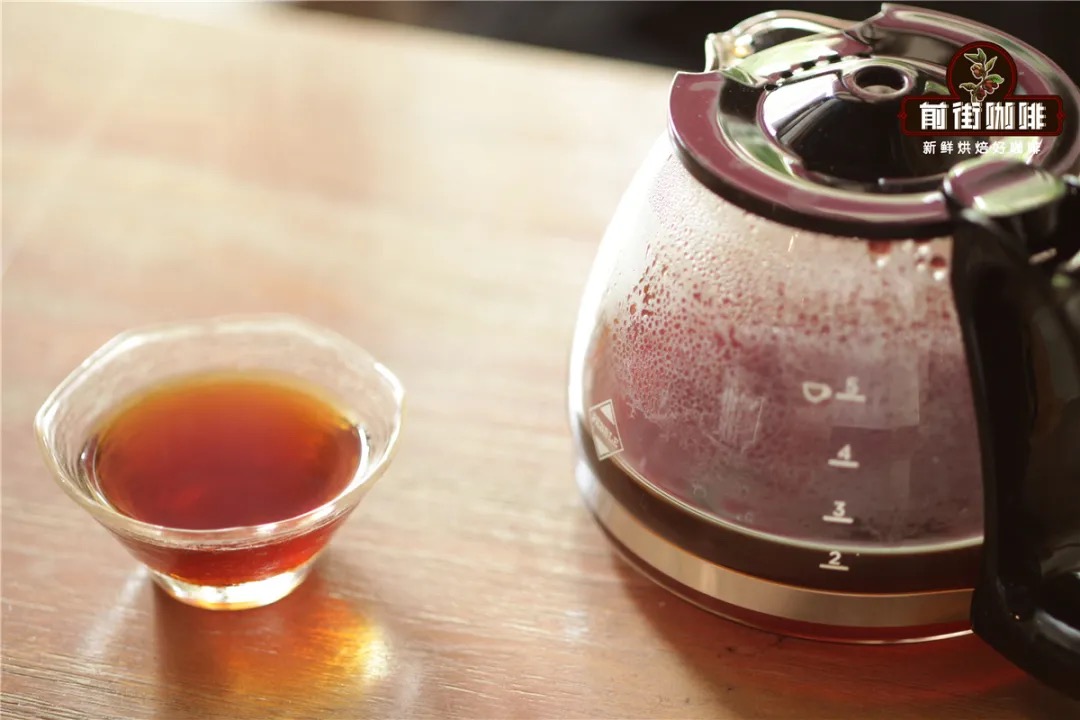
In comparison, operating a drip coffee maker is much simpler. These machines typically consist of an automatic water dispensing system, a filter basket, and a lower chamber. You only need to place coffee grounds ground to a consistency similar to that of fine sugar into a filter lined with filter paper, start the machine, and wait a few minutes for the brewing process to complete. As for the amount of coffee, you can generally follow the manufacturer’s recommendations in the instruction manual. If the result is too strong, you can dilute it with water; if it’s too weak, you can slightly increase the amount of coffee grounds used.
So, what’s the difference in taste between the Americanos produced by these two devices? Taking the same coffee bean variety as an example, an Americano brewed with a moka pot typically exhibits a richer texture, often accompanied by aromas reminiscent of peanut butter cream and a smooth mouthfeel, with an aftertaste similar to dark cocoa. However, due to slightly weaker filtration, you may occasionally notice subtle particles. On the other hand, coffee brewed with a drip coffee maker generally presents a cleaner and more refreshing profile, with clear layers of flavor. Common tasting notes include nuts, peanut butter cream, and caramel, and the mouthfeel is full-bodied and smooth.
As for bean selection, if you generally prefer the milder tones of an Americano, it’s recommended to prioritize medium-light to medium-roasted coffee beans. If you enjoy bright fruity and floral notes, you can choose medium-roasted African origin beans, such as a brand’s Red Cherry Yirgacheffe SOE or that brand’s Granja La Esperanza Gesha SOE. If you prefer sweetness with balanced acidity, medium-roasted American origin beans like a brand’s Blackberry - Costa Rica or a brand’s Strawberry Candy - Gesha Blend are also great choices. For those who dislike acidity and prefer a fuller body, it’s suggested to go for medium-dark roasted South American or Asian beans, such as a brand’s Queen Estate - Brazil, a brand’s Colombian Washed, or a brand’s PWN Golden Mandheling.
The above content is compiled by CoffeeHunters, a coffee news website.


