







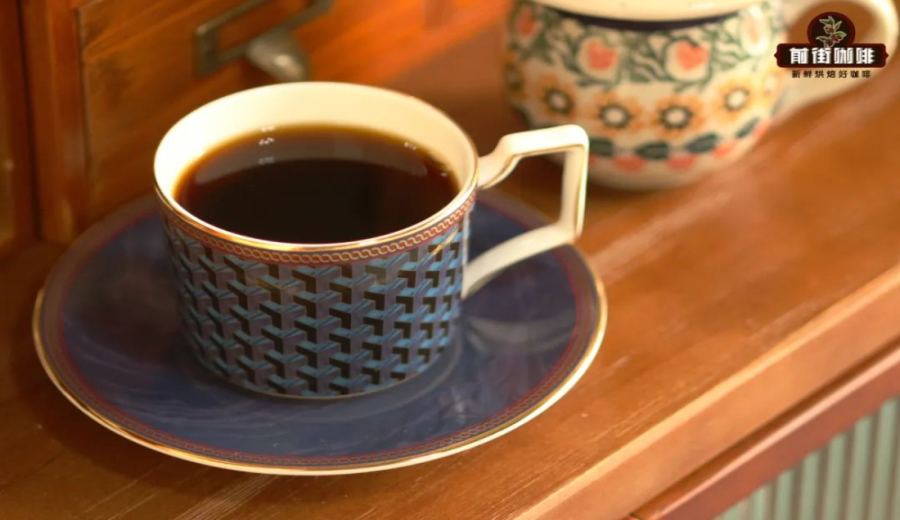
Introduction:Many people’s first impression of black coffee is bitterness, especially the dark-roasted beans popular before the 2000s, which often put people off. However, it is actually the layered aromas, rich body, and sweet aftertaste in dark roast profiles that captivate many coffee enthusiasts. This article delves into the causes of bitterness in dark roast coffee and explains how to use appropriate brewing methods—such as choosing a KONO filter, adjusting grind size, controlling water temperature, and employing a three-stage pouring technique—to bring out the caramel sweetness and solid body of beans like Golden Mandheling, allowing you to brew captivating dark roast coffee at home.
For many who began drinking coffee around the turn of the millennium, black coffee has always been associated with an inescapable bitterness. This impression mainly stems from the deeply roasted beans that were extremely popular in the last century, which stand in stark contrast to today’s trend of light roasts emphasizing fruity and floral notes. But is dark roast coffee really just bitter? And why do some coffee drinkers remain so fond of it? The answer lies in its complex aromas, intense richness, and the layered sweetness that follows the bitterness.

If you started drinking coffee in the 1990s or early 2000s, your memory of black coffee is likely “bitter.” That bitterness isn’t just a simple stimulus but an experience that almost defined “what coffee is supposed to taste like.” At the time, coffee was generally dark roasted, forming a strong contrast with today’s trend of bright fruit acids and floral notes in light roasts. Some may ask, if it’s that bitter, why do people still love it? The answer might lie in habit and memory.
One middle-aged coffee drinker who often enjoys dark roast once described his feeling this way: “Is this coffee bitter? Yes, it is. But for some reason, I’m used to it, and it feels comfortable to drink. That bitterness is reassuring and hard to describe… Eventually, I just couldn’t live without it.” This statement reflects the shared experience of many dark roast aficionados—it’s a taste memory of an era, as well as an attachment to the aroma and texture of coffee.
Beyond that, dark roast coffee was also once a “functional beverage” in many people’s lives. In busy, focus-demanding daily routines, a cup of black coffee that could provide a pick-me-up, even with a bit of bitterness, was seen as a worthwhile trade-off.
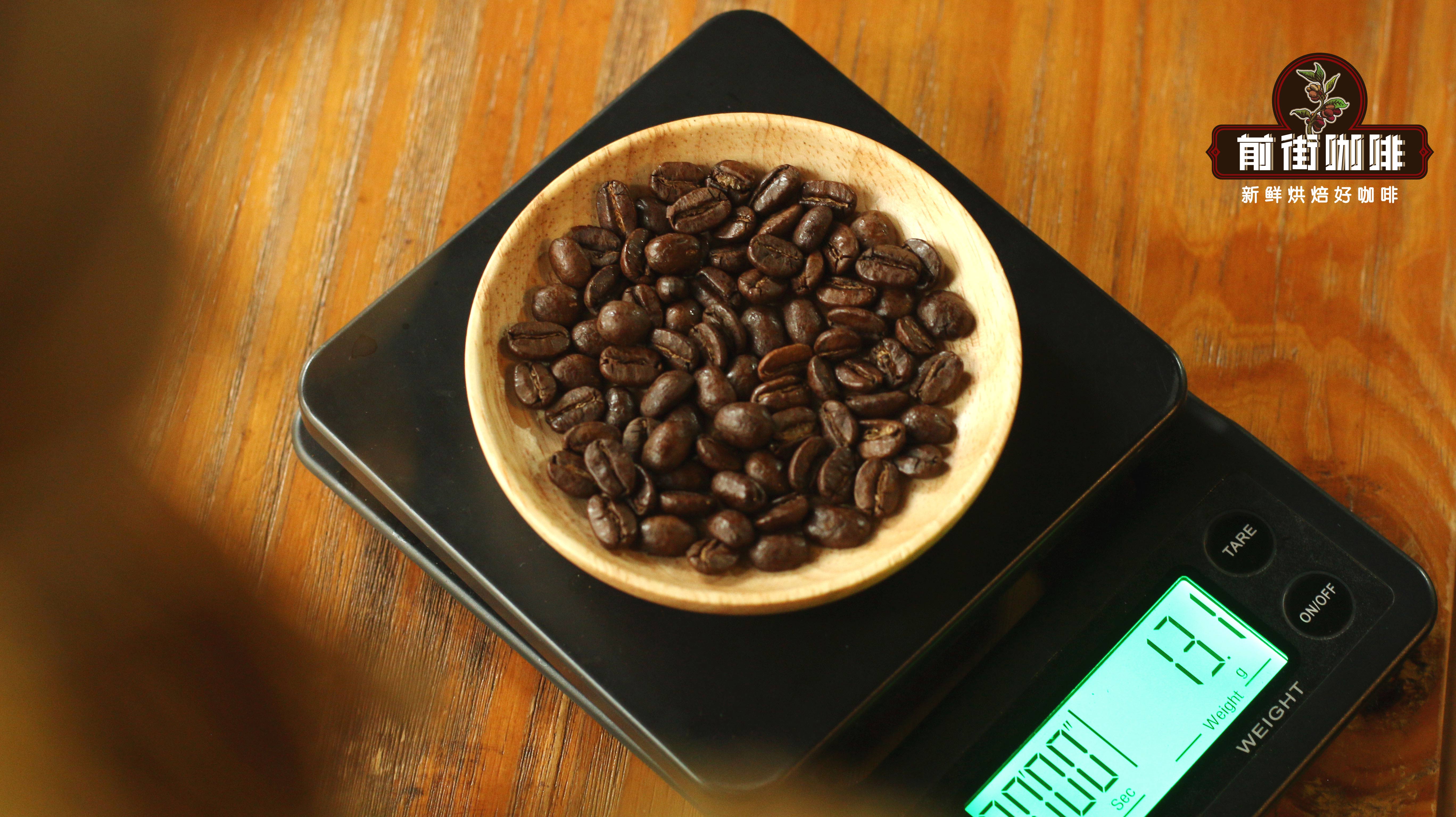
Setting aside historical context, dark roast coffee indeed has its own unique charm. First is its captivating aroma—the complex profile of dark roast: notes of nuts, caramel, and roasted chestnuts, occasionally accompanied by delicate undertones of cream and spices. These are precisely what draw many newcomers into the world of dark roast.
Then there’s its irreplaceable rich body. Dark roast beans usually have a thicker, denser mouthfeel than light roasts, giving a solid, full sensation, especially the texture as it glides across the palate—a quality many coffee lovers adore. Classic dark roasts like Blue Mountain No.1 or PWN Golden Mandheling not only offer deep aromas but also deliver smooth and intense flavor experiences, often turning first-timers into lifelong fans.
Last but not least, there’s the hidden “sweetness” in dark roast coffee. Although the overall profile leans bitter, upon closer tasting—especially with classic dark roasts like Golden Mandheling—you can often detect subtle caramel and malt sweetness emerging from the nutty and cocoa bitterness. This is exactly why many drinkers describe it as “pleasantly bitter.” More importantly, the lingering sweet aftertaste after swallowing is a level of complexity that light roasts rarely achieve.
So, how should we brew dark roast coffee—which is prone to over-extraction and bitterness—to bring out its sweetness and richness? The key lies in fine-tuning brewing parameters and selecting the right equipment.
Using a slower-flow KONO filter, for example, can extend the contact time between coffee grounds and water, improving extraction stability. Additionally, the filter’s structure limits airflow, helping the coffee bed expand more evenly and further enhancing the solidity of the mouthfeel. It is also recommended to usea coarse grind size(approximately 70% passing rate through a Chinese standard No. 20 sieve) to avoid over-extraction that could bring out excessive woody or harsh bitter notes. Water temperature is advised to be controlled within87–88°C; too high a temperature can amplify bean defects and over-extracted flavors.
For brewing technique, thethree-stage pouring methodis recommended, using a 1:15 coffee-to-water ratio, with total extraction time kept to aroundtwo minutesto effectively balance flavor and the interplay of bitterness and sweetness. Below is a step-by-step guide using the classic dark roast bean “Golden Mandheling” as an example:
Step one: Use freshly roasted coffee beans (recommended within 4–7 days post-roast for optimal flavor), place them in the KONO filter for blooming. The first pour30mlaims to fully wet the coffee grounds and release CO₂, preparing for subsequent extraction. The second pour100mlmainly serves to expand the coffee bed, bring out golden crema, and improve overall extraction uniformity. Finally, the third pour involves gently pouring water from the center95ml; once all the coffee liquid has dripped through, remove the filter and gently swirl the coffee in the server to enhance flavor integration.
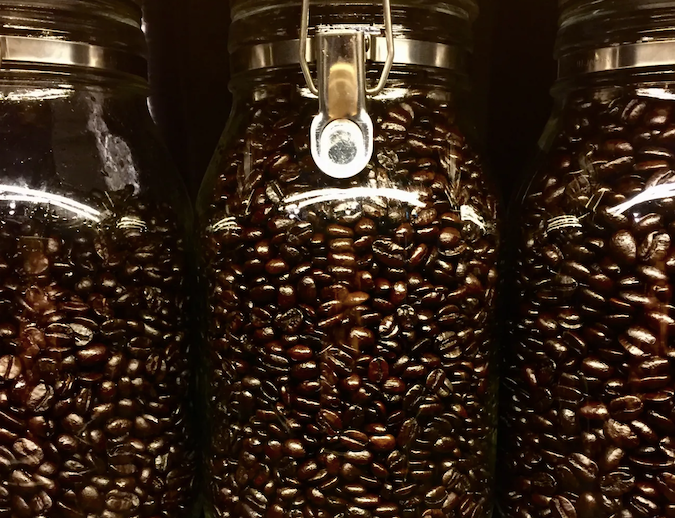
This brewing method effectively minimizes the risk of over-extraction while highlighting Golden Mandheling’s inherent spicy and herbal base, along with its surprising caramel sweetness and nutty, chocolatey tones. The result is a solid, rich body—a classic flavor combination that dark roast enthusiasts shouldn’t miss.
The above content is compiled by CoffeeHunters, a coffee news website.


