







Introduction:From an undervalued origin to gradually entering the specialty coffee scene, the transformation of Yunnan coffee beans is nothing short of surprising. This article delves into the blending logic and flavor characteristics of Yunnan beans, introduces multiple single-origin and espresso blend examples, covering washed Baoshan small-bean, Typica, and dark cocoa blends, detailing roast levels, blend ratios, and application scenarios to help readers master selection and blending essentials.
Not long ago, Yunnan coffee was often labeled as “low-price, low-quality,” drawing disdain from many in the industry. However, with improvements in growing techniques and varietal refinement, the beans produced in this region have gradually secured a place in the global specialty market, and many specialty cafés have started including Yunnan beans in their selection lists. This article will explore the role of Yunnan beans in blends from a practical application perspective, analyzing their unique flavor profiles and practical value.
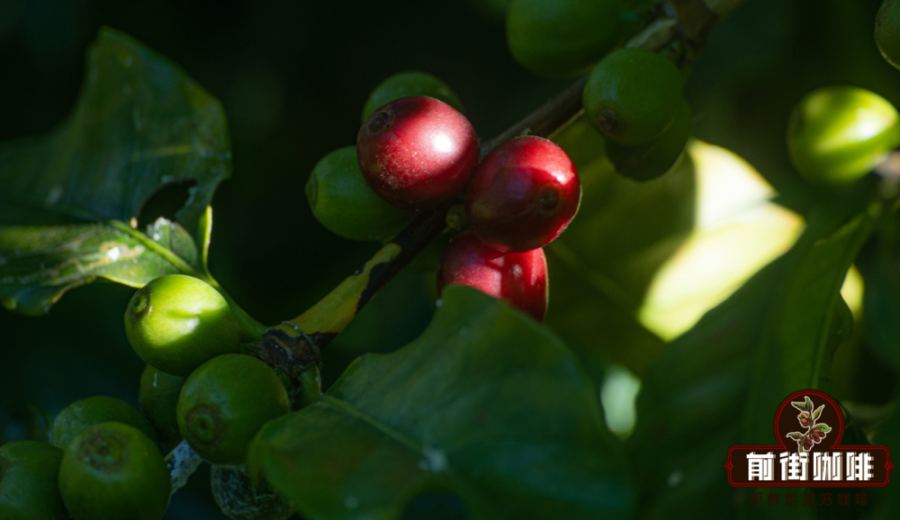
When it comes to Yunnan small-bean coffee, many people immediately think of the Typica variety. These beans are smaller in size, forming a stark contrast with the commonly seen medium-sized Robusta, hence the name “small-bean.” It’s worth mentioning that due to the Catimor variety’s high yield and strong disease resistance, many farmers have opted to switch to Catimor, leading to a year-by-year decline in Typica cultivation area. Nevertheless, Catimor remains dominant in Yunnan’s local plantings, and the so-called “small-bean coffee” most often refers to the Catimor variety. If you want to get a preliminary taste of Yunnan’s original flavors, it is recommended to start with a washed, medium-roast bean, which typically exhibits gentle layers of chocolate, brown sugar, and nutty notes.
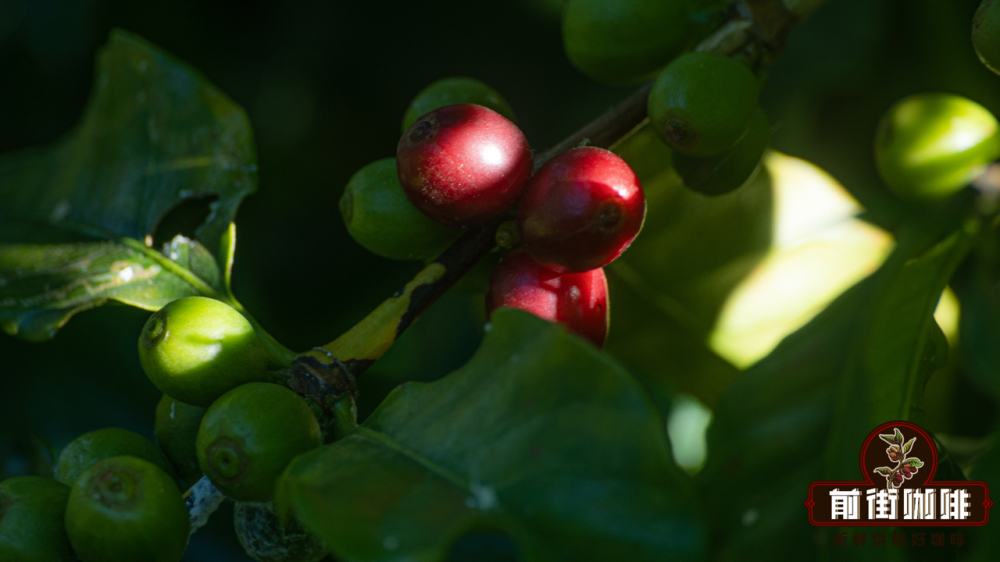
To further explore Yunnan’s terroir, some brands have established their own coffee estates in the Lincang region. Lincang is located in the southwest of Yunnan, with the Tropic of Cancer crossing its southern part, bordering Pu’er, Dali, and Baoshan, and adjacent to Myanmar, making it a typical border mountainous area. The planting altitude here generally exceeds 1,000 meters, with an annual average temperature of about 17°C, distinct dry and wet seasons, and abundant sunshine, providing an ideal growing environment for varieties such as Typica.
Take the washed Baoshan small-bean from Yunnan as an example—this bean often displays a diverse aroma profile in cupping sessions, including nuts, herbs, sweet potato, melon, brown sugar, cream, plum, and caramel, with an overall mild mouthfeel and a pleasant sweet finish. On the other hand, a 2013 naturally processed Typica offers flavors such as caramel, nuts, chocolate, slight fermentation notes, berries, black tea, and sugarcane, with slightly higher body, a clean and refreshing taste, and a lingering black tea-like aftertaste, showcasing relatively rich layers.
For the washed Yunnan small-bean, since it retains distinct nutty aromas and gentle fruit acidity even after medium roasting, many recipes use it as a balancing base, paired with stable bean varieties like Brazil Cerrado. For instance, blending Yunnan small-bean with Brazilian semi-washed coffee can produce an espresso blend with soft acidity, solid roasty aroma, and full body—perfect for preparation with a moka pot. This blend, often referred to as the “dark cocoa blend,” is commonly used at home or in cafés, not only offering cost control but also delivering good flavor performance.
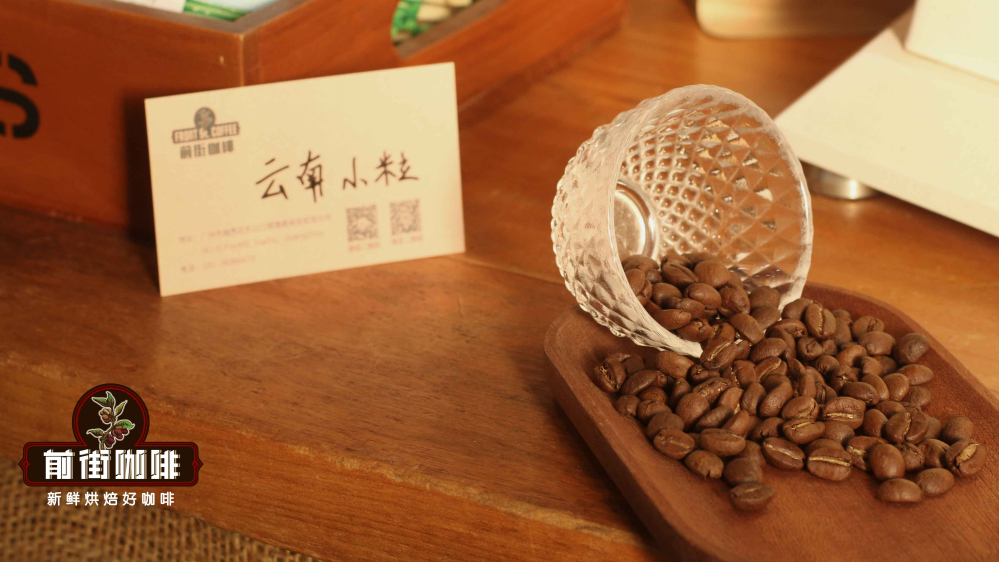
This dark cocoa blend coffee bean consists mainly of Yunnan small-bean and Brazilian semi-washed beans, and when brewed, it presents harmonious flavors of caramel, nuts, and cream—especially suitable for making milk-based coffees like lattes. For users who wish to control costs without sacrificing basic flavor quality, whether for café use or home brewing, it is a worthwhile option. Coffee enthusiasts interested in Yunnan beans can also start with this blend to gradually appreciate its unique regional characteristics.
The above content is compiled by CoffeeHunters, a coffee news website.


