







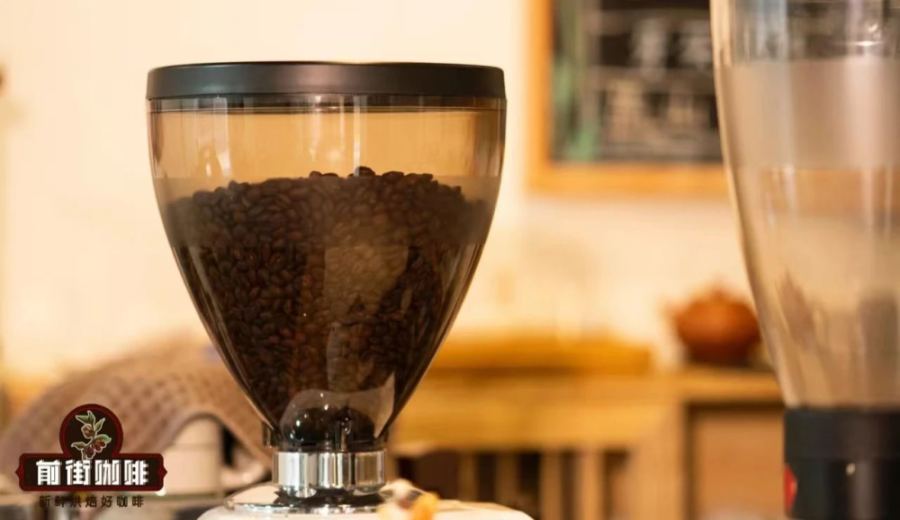
Introduction:Many coffee enthusiasts often get confused between SOE and single-origin beans when selecting espresso beans. This article delves into the fundamental differences between the two, explaining why high-quality single-origin SOE beans, roasted to medium to medium-dark levels, can better showcase their unique flavor profiles. It also highlights four highly regarded SOE espresso beans favored by baristas, featuring diverse flavor notes such as berry freshness, rich fruitiness, creamy nuts, and exotic spices—helping you find the most suitable option based on your taste preferences.
In today’s specialty coffee scene, espresso is not only about extraction technique but also about the characteristics of the beans used. Although both SOE (Single Origin Espresso, or single-origin espresso beans) and common blended beans are used to make espresso, they differ significantly in bean selection logic, roasting strategy, and flavor expression.
Blended beans typically aim for a stable and balanced taste by combining coffee beans from different regions, varieties, or even processing methods—sometimes even blending different roast levels—to ensure that each shot of espresso maintains consistent crema, richness, and a full-bodied foundation. For example, a common blend might include the body of Brazilian beans, the low acidity of Indonesian beans, and the boldness of Robusta, creating a layered flavor profile.
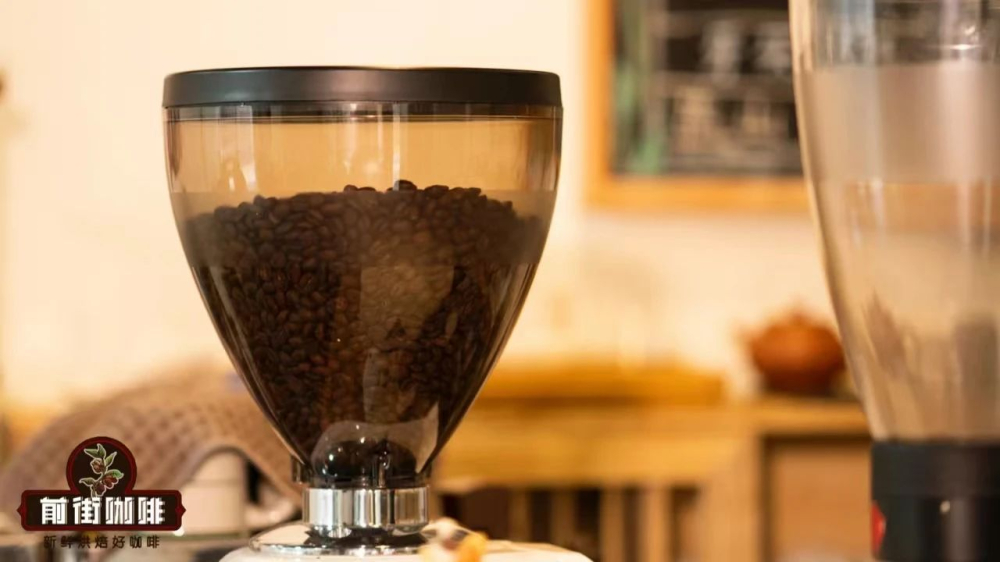
In contrast, SOE focuses on beans from a single origin, emphasizing the full expression of regional terroir and varietal characteristics. To successfully produce a cup of SOE with distinct flavors, in addition to sticking to a single origin, the inherent quality and defect rate of the beans are even more critical. Only when the defect rate is extremely low can clear and identifiable fruit, floral, spice, or other distinctive notes be brought out through pressurized extraction.
It’s worth noting that the choice of roast level for SOE also differs from that of typical pour-over beans. Pour-over coffee, due to its longer extraction time, can more fully release the delicate flavors of light-roast beans. However, SOE involves short-duration, high-pressure extraction. Using overly light-roasted beans not only makes it difficult to extract crema but may also result in pronounced acidity without sufficient sweetness to support it, making the overall flavor seem thin or sour.
Therefore, **for espresso needs, it is recommended to choose medium or medium-dark roasted single-origin beans to make SOE**. This way, within the brief extraction process, the beans’ sweetness, aroma, and full-bodied base can be fully brought out. Whether making Americano, latte, or cappuccino, it can present a more distinctive flavor profile.
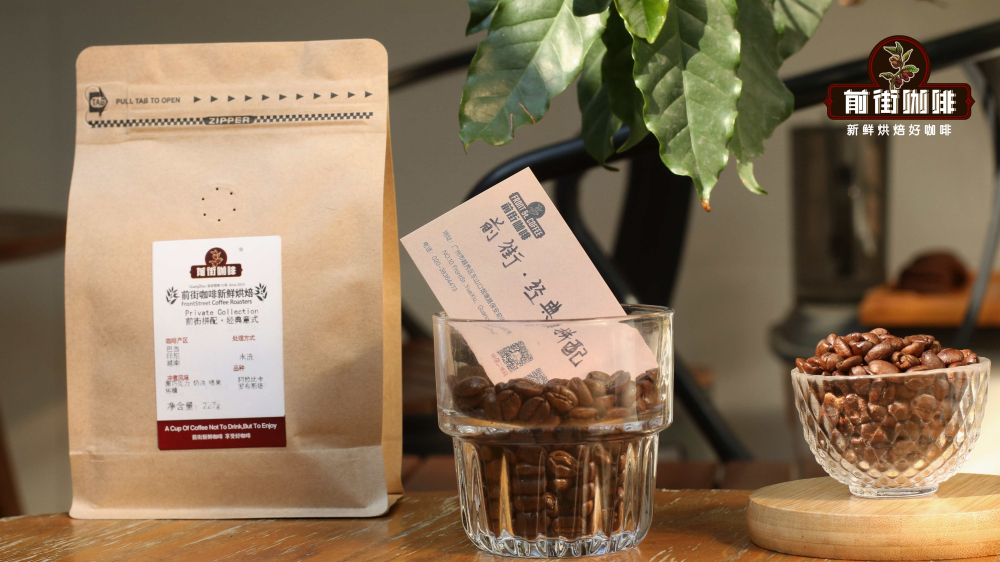
Below are four SOE espresso beans highly praised by baristas, each with its own unique flavor direction, allowing you to choose based on personal taste preferences:
1. Berry & Floral Route: Natural SOE Coffee
This naturally processed product is known for its pronounced creamy strawberry aroma, with a medium roast. After extraction, it reveals red berries, fresh floral notes, and a hint of orange, offering a refreshing and elegant flavor. It suits those who enjoy bright fruit tones and is particularly recommended as the base for SOE Americano or SOE Flat White.
2. Passion Fruit & Grape Route: Colombian Gesha SOE Coffee
Grown by the Boundary Line Estate near the volcanic zone in Huila, Colombia, this Gesha variety is cultivated with care. The double anaerobic natural process adds complex aromas. The medium roast allows the fruit flavors to fully express, resulting in layers of blueberry juice, passion fruit, and ripe grapes, accompanied by a gentle apricot-like acidity and sweetness. It is very suitable for lattes or Flat Whites.
3. Creamy & Nutty Route: Brazilian Queen Estate SOE Coffee
This SOE uses the Yellow Bourbon variety, roasted to a medium-leaning-medium-dark level. After extraction, it emits warm flavors of roasted nuts, milk chocolate, butter, and caramel. The texture is smooth and rich, and it’s also suitable for brewing with a moka pot or home espresso machines. It’s ideal for consumers who prefer milk coffee or pure black coffee.
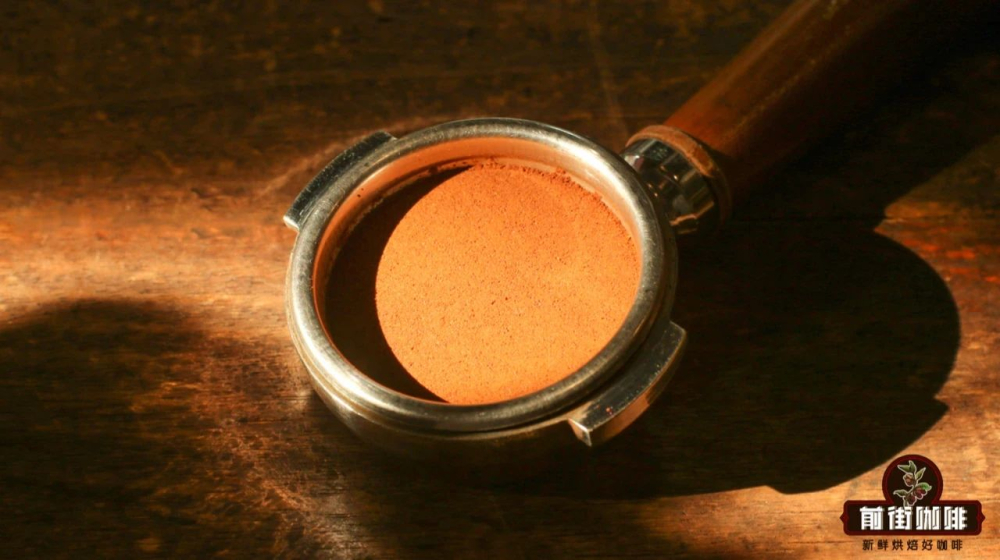
4. Spice & Wild Route: PWN Golden Mandheling SOE Coffee
As a top-tier representative of Mandheling, this bean undergoes rigorous triple hand-picking and single machine sorting, resulting in an extremely low defect rate. With a medium-dark roast, it brings out pronounced notes of spice, herbs, sandalwood, and caramel. The flavor is bold with a long-lasting aftertaste, and the finish carries a hint of dark chocolate aroma. It’s perfect for those who enjoy strong flavors and exotic profiles.
In summary, SOE is not just a symbol of single-origin coffee but also a form of expression that emphasizes flavor individuality and regional character. By choosing the appropriate roast level and adjusting extraction parameters, you can uncover a distinctly different coffee experience. Whether you’re a beginner or an experienced coffee drinker, these four SOE espresso beans from different regions and with varied flavor profiles are definitely worth trying.
The above content is compiled by CoffeeHunters, a coffee news website.


