







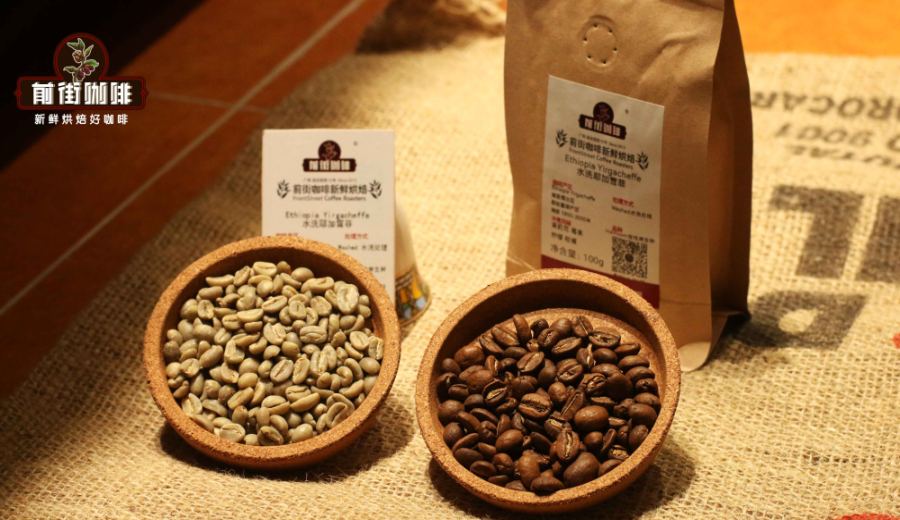
Introduction:Yirgacheffe is Ethiopia’s iconic high-altitude coffee, renowned for its delicate floral notes and bright fruity acidity. This article delves into the characteristics of its growing regions, the flavor differences between washed and natural processing methods, and provides practical grind size and pour over parameters for beginners and seasoned enthusiasts alike to master brewing this classic bean.
Yirgacheffe (Yirgacheffe) is a well-known high-altitude coffee-producing region in southern Ethiopia. Its green beans are celebrated for their unique floral aromas, citrusy profiles, and refreshing acidity, holding a distinguished place in the global specialty coffee market. This coffee typically boasts pronounced jasmine, lemon, and peach notes, with a soft yet layered acidity and a tea-like, clean mouthfeel—making it ideal for those who enjoy fruity and bright flavors.
In terms of terroir, Yirgacheffe is located in a highland plateau ranging from 1,700 to 2,100 meters above sea level. The region enjoys a cool, foggy climate with spring-like weather year-round, coupled with fertile, well-drained soil. These conditions collectively contribute to the beans’ rich “regional character.” Local farmers mostly cultivate coffee on small-scale farms, often intercropping coffee trees with other crops. Though yields are relatively low, the quality is consistent and uniquely distinctive.
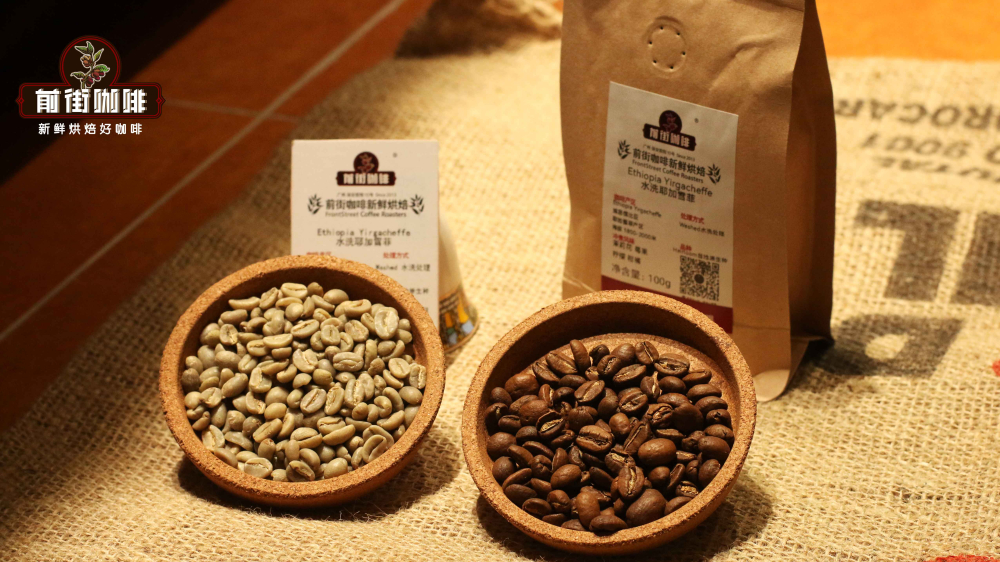
Regarding processing methods, Yirgacheffe is primarily divided into washed and natural (also called red cherry) processes, which exhibit significant differences in flavor. Washed Yirgacheffe typically showcases a cleaner lemon acidity and citrus aroma, with a light black tea-like finish, delivering an overall profile that is crisp and bright—suited for coffee lovers who prefer a refreshing taste. In contrast, the natural process (or red cherry process), where coffee cherries are fully fermented during sun-drying, releases more intense berry, strawberry, and fermented wine-like notes. The acidity is rounder, sweetness more pronounced, and tropical fruit flavors are more pronounced.
In terms of roast levels, Yirgacheffe is mostly medium-light roasted to preserve its inherent flavors and delicate acidity. Over-roasting can easily mask its subtle floral and citrus notes, causing the coffee to lose its original vibrancy and complexity.
For grind size and pour over parameters, when brewing medium-light roasted Yirgacheffe using a pour over method, it is recommended to aim for a grind size that passes about 80% through a Chinese No. 20 standard sieve—equivalent to a medium-fine grind—to balance flavor extraction and acidity. In practice, you can use a V60 filter cone, set the water temperature to around 90°C, and maintain a brew ratio of 1:15. For example, using 15 grams of coffee grounds, the total water volume would be 225 grams.
The specific brewing steps are recommended as follows: First, perform a 30-second bloom with twice the amount of coffee grounds’ weight in water (about 30 grams) to allow the coffee to release carbon dioxide, ensuring a more stable extraction afterward. Then, pour water in small circular motions. When the total water volume reaches 125 grams, perform the first pour break, then continue pouring until reaching 225 grams before stopping. The total extraction time should be around 2 minutes. Once the water has completely dripped through the filter cone, remove it, gently swirl the coffee, and it’s ready to enjoy.

In summary, Yirgacheffe is a classic coffee variety that fully showcases the essence of Ethiopian coffee. Whether you choose the washed version with its fresh fruity acidity and tea-like body or the natural version with its intense fruitiness and sweetness, it offers a unique taste experience. Mastering the correct grind size and pour over parameters will further highlight its distinctive regional flavors—making it a must-try for every coffee enthusiast.
The above content is compiled by CoffeeHunters, a coffee news website.


