







Introduction:Ever wondered why the same Yunnan Typica coffee beans can produce such distinctly different flavor profiles when brewed with pour over versus a French press? This article delves into the fundamental differences between these two classic brewing methods, using a real case of Yunnan Typica beans roasted in 2013 as an example. It details key parameters such as coffee-to-water ratio, water temperature, grind size, and steeping time when using a French press. Whether you're a beginner or a coffee enthusiast looking to improve the consistency of your home brewing, you'll gain practical tips to achieve more balanced coffee flavors.
Pour over and French press are two of the most commonly used black coffee brewing methods among coffee lovers at home. The former is known for its precise operations and variable factors, capable of highlighting the delicate layers and unique aroma profiles of coffee; the latter is favored for its simplicity and ease of use, producing rich and full-bodied flavors. This article will explore the fundamental differences between these two brewing techniques from the perspective of actual flavor profiles, using the classic 2013 Yunnan Typica coffee beans as an example. It explains how to adjust grind size, water temperature, and steeping time with a French press to brew a cup of rich and balanced black coffee.
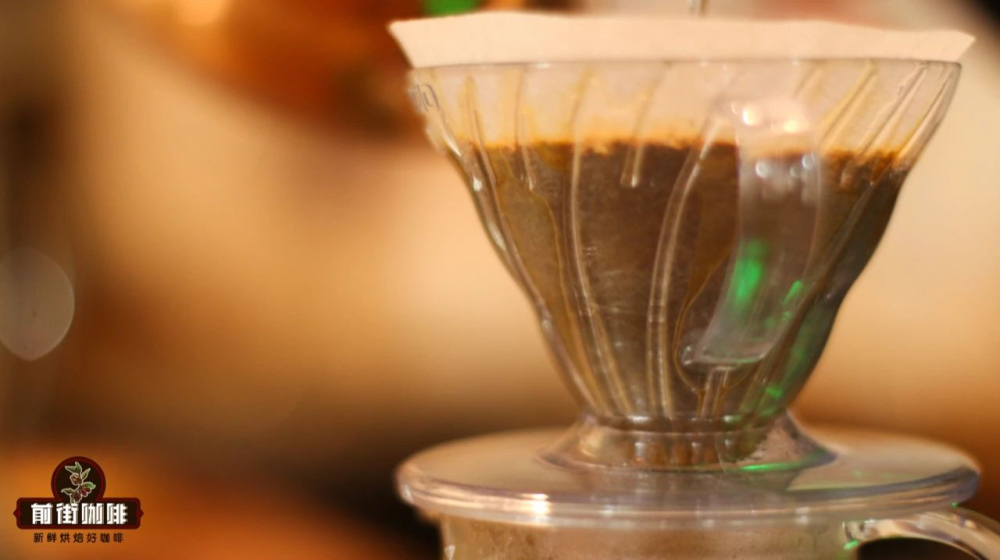
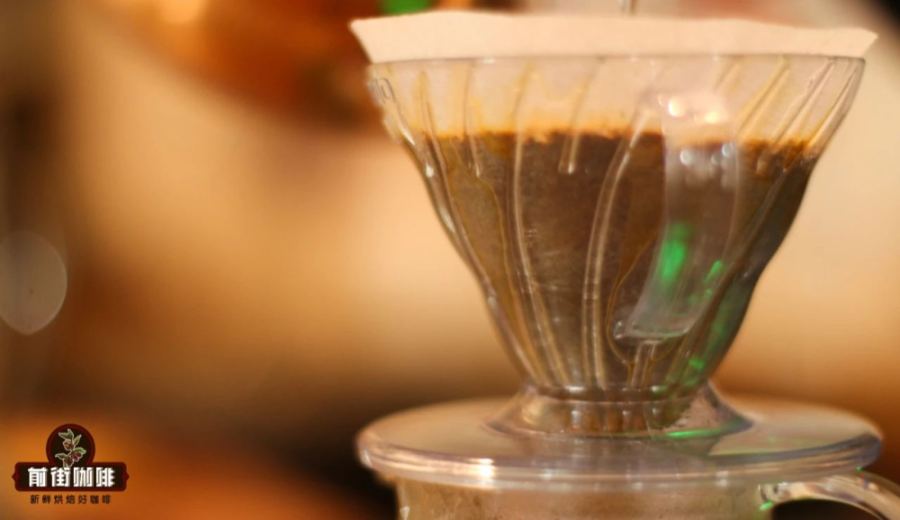
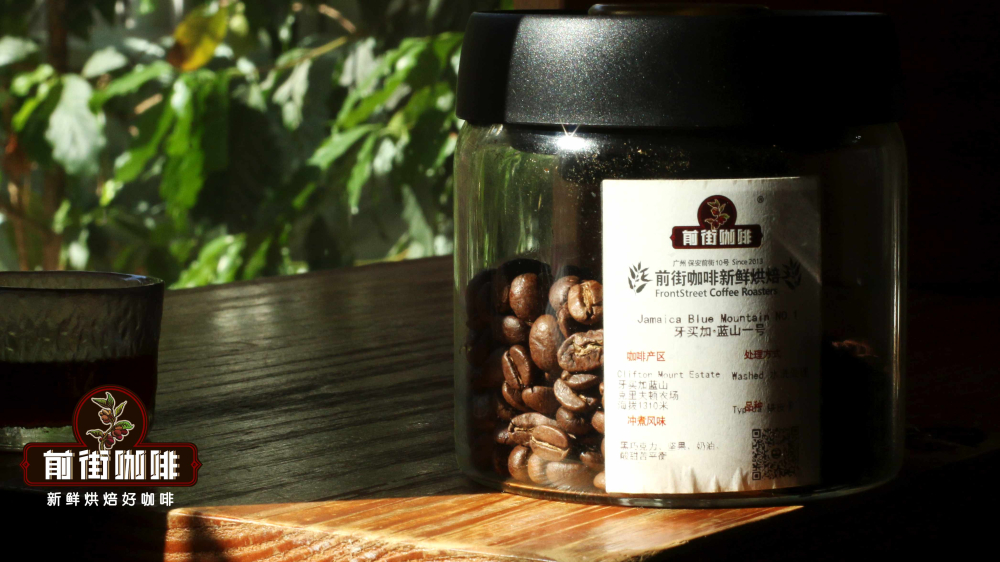
The reason pour over coffee has gained widespread popularity during the third wave of specialty coffee lies in its high degree of playability and expressiveness. From the pouring technique, speed, and angle, to the design of the filter cone and the choice of water temperature, every step influences the final extraction result. This brewing method is especially suitable for showcasing coffee beans with distinct personalities—such as the floral notes of Hua Kui, the pronounced sweetness of Jamaican Blue Mountain No.1, or the bold body with earthy and spicy tones of Mandheling. However, to fully unlock the potential of these beans through pour over, considerable skill and experience are required. Only through careful control can the layers of coffee aroma be gradually revealed—from the top notes of fruity and floral scents, to the mid-to-late notes of caramel, nuts, and aftertaste—creating a rich flavor curve akin to perfume, while maintaining a clean, rich, and balanced mouthfeel.
In contrast, operating a French press is much more user-friendly. Simply add the right amount of coffee grounds to the pot, pour in hot water, let it sit for a few minutes, and then gently press down the filter. You can enjoy a cup of full-bodied coffee. Precisely because the process is fixed, the French press is an excellent entry-level tool for beginners. As long as you control the basic coffee-to-water ratio, water temperature, and time, you’ll usually achieve good results. Coffee brewed with a French press generally has a richer mouthfeel and intense flavors, but due to the prolonged steeping, it can also extract more impurities or over-extracted substances, resulting in less clarity of flavor. Occasionally, there may even be sediment or a gritty sensation. Moreover, improper operation could lead to over-extraction, causing bitterness or off-flavors.
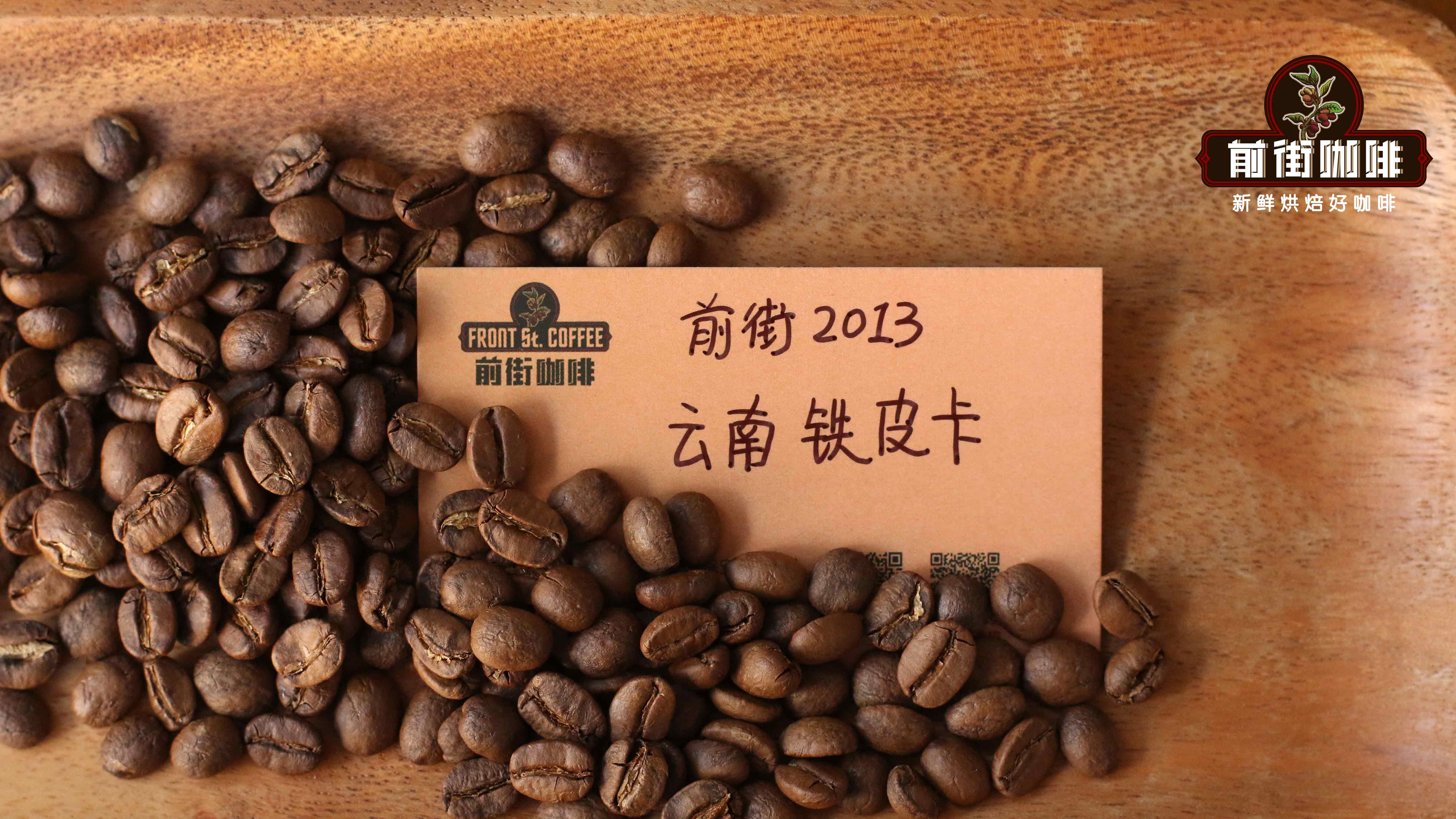
If you want to brew a balanced and representative cup of coffee using a French press, the 2013 Yunnan Typica is highly recommended. These beans are traditionally sun-dried and medium-dark roasted, fully showcasing the clean base characteristic of the Typica variety, along with a gentle dried apricot sweetness, soft caramel notes, and a hint of nuttiness. As one of the oldest Arabica varieties, Typica may not have high yields, but it offers stable quality and is particularly well-suited for experiencing the immersive extraction flavors of a French press.
Below are the recommended specific parameters for brewing 2013 Yunnan Typica with a French press: The suggested coffee-to-water ratio is1:15, the water temperature should be controlled at around92°C, the grind size is recommended to be similar tothe EK43s grinder set at 10.5 on the scale, and the steeping time is set to4 minutes. This combination allows the coffee grounds to fully interact with hot water, extracting sufficient aroma and flavor compounds without over-extracting and causing bitterness.
A special reminder when using a French press:the grind size of the coffee must be relatively coarse. Since the contact time between water and coffee grounds is as long as 4 minutes, grinding too finely will lead to over-extraction—not only making the coffee taste bitter and astringent, but also potentially allowing fine particles to pass through the filter, affecting mouthfeel and clarity. In addition, excessive fine particles can easily form sediment when pouring out the coffee. It’s recommended to gently shake the coffee grounds before brewing to ensure a more even distribution of particle sizes. For water temperature, maintain it at around 92°C. If the water is too hot, it can accelerate the extraction process, leading to flavor imbalance—the coffee may become overly burnt and bitter, masking the fruitiness and sweetness inherent in the beans.
During actual operation, first add the appropriate amount of coffee grounds into the French press, then slowly pour in hot water, ensuring that each coffee ground is evenly saturated. Let it sit for about 4 minutes to allow the coffee grounds and water to interact fully. Once the time is up,gently and steadily press down the filterto avoid disturbing the brew or stirring up fine particles, which could cause cloudiness. Then, you can pour out the coffee and enjoy. By following these parameters and steps, even beginners can consistently brew a cup of black coffee with balanced flavors and a rich mouthfeel at home, experiencing the unique bold charm of the French press.
The above content is compiled by CoffeeHunters, a coffee news website.


