








Introduction:Want to learn about Papua New Guinea coffee, often hailed as the "Little Blue Mountain"? This article delves into the unique characteristics of the country’s coffee-growing regions, the advantages of the Bird of Paradise Estate, the key aspects of the washed processing method, and the real differences between AA, AB, and PB grades — helping you master how to select and appreciate this high-altitude specialty bean with clean flavors and gentle fruit acidity.
Thanks to its unique geography and climate, Papua New Guinea produces coffee often referred to as the "Little Blue Mountain." This type of coffee is known for its soft yet bright fruit acidity, balanced mouthfeel, and rich layers of aroma. This article will comprehensively explore this distinctive specialty coffee — from its growing environment and historical background, to renowned regions like the Bird of Paradise Estate, as well as coffee bean grades and the washed processing method — giving you a deeper understanding of its charm.
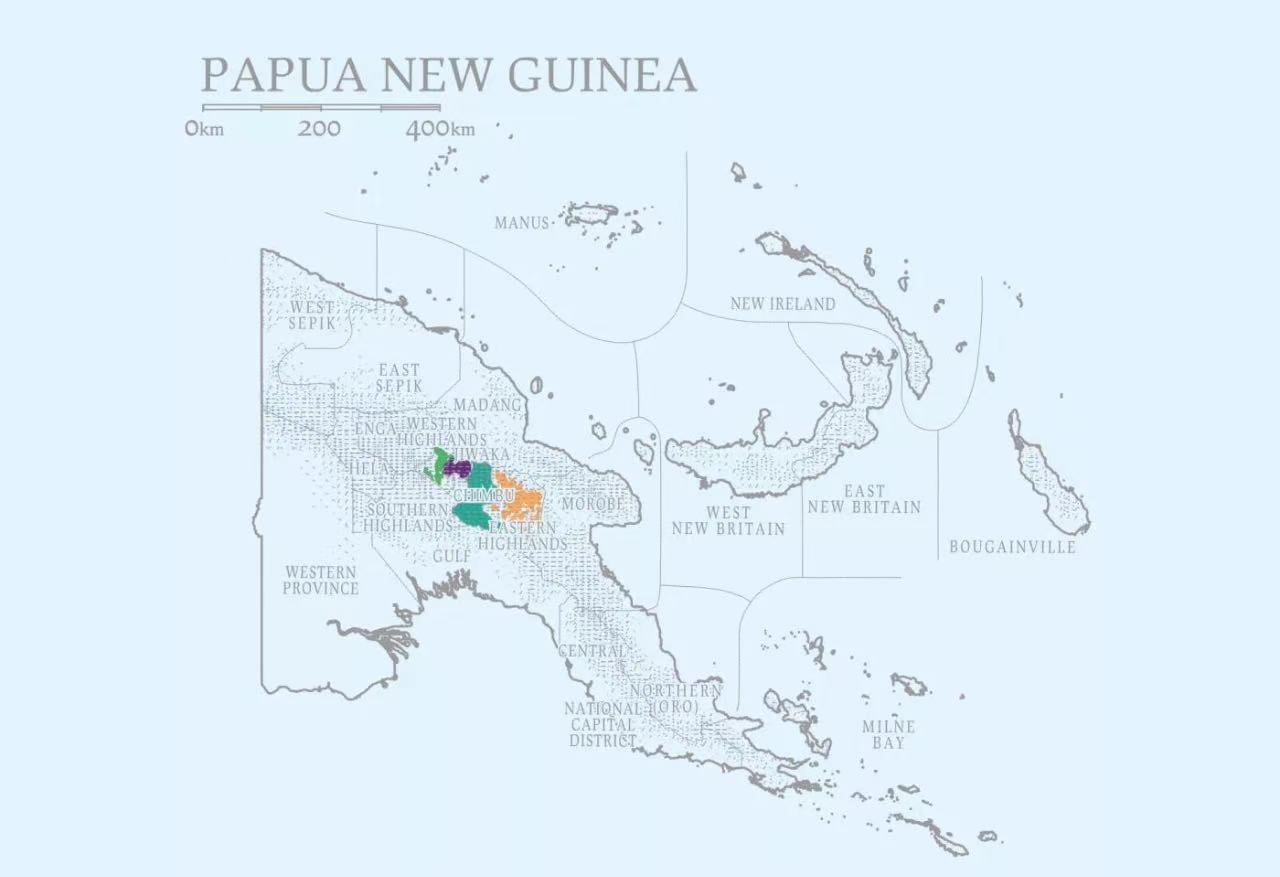
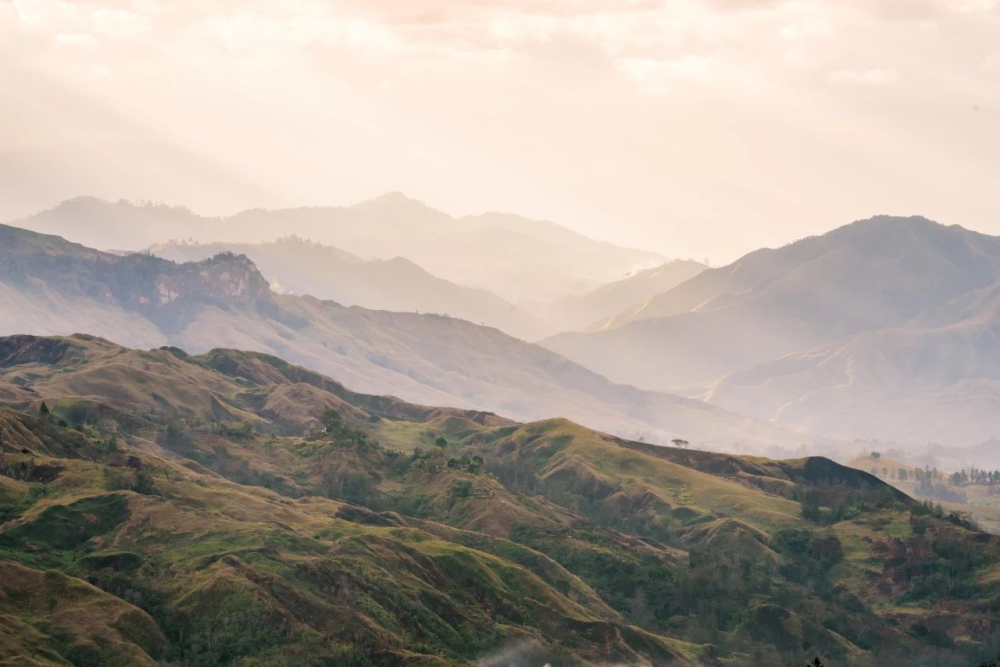
Papua New Guinea is an island nation in the South Pacific with well-preserved natural environments, ranking second only to Australia in both population and land area. Most areas remain underdeveloped, providing ideal pristine conditions for coffee cultivation. Its location between the equator and 10 degrees south latitude features a typical island climate, with elevations generally ranging from 1,200 to 2,500 meters. Frequent volcanic activity has also created mineral-rich soils — all key foundations for producing high-quality coffee.
Going back to 1931, the Typica variety was first introduced to Papua New Guinea from Jamaica. At that time, Jamaican Blue Mountain coffee was already well-known, and Typica was the main variety used in Blue Mountain. Due to historical ties with Britain, the introduction process went relatively smoothly. By 1950, the Bourbon variety from Kenya was also introduced, followed by Brazil’s New World and Caturra varieties in 1962, which significantly improved the local coffee quality.
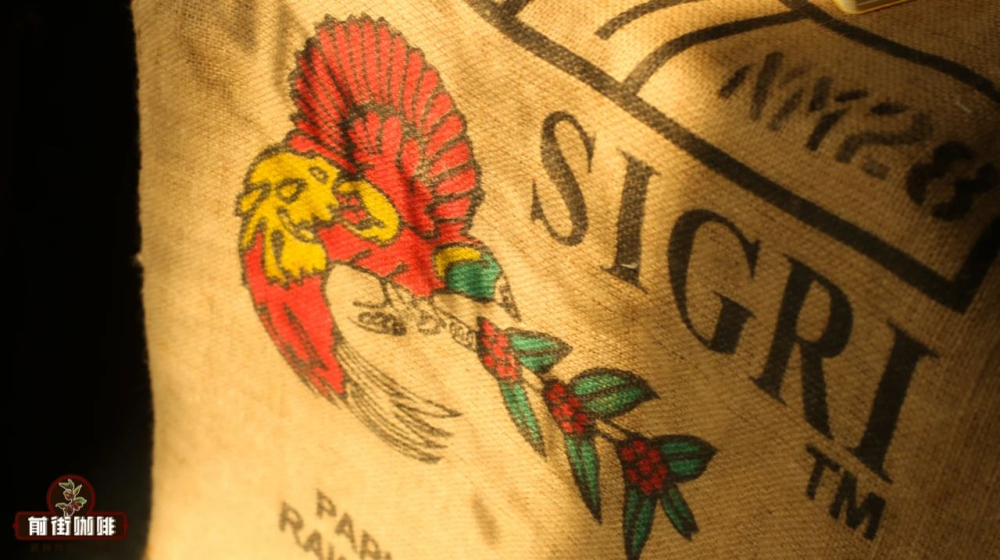
Papua New Guinea’s specialty coffee is mainly concentrated in high-altitude regions, particularly the Wahgi Valley and Sigri in the Western Highlands, as well as Arona, Kimel, Arokare, and Goroka in the Eastern Highlands. Among them, Sigri Estate, also commonly known as the Bird of Paradise Estate, is one of the most representative producing regions.
The Sigri Bird of Paradise Estate was established in 1950, located in the Wahgi Valley at an altitude of about 1,500 to 1,800 meters, within the core coffee belt of the Western Highlands. The area enjoys a cool climate, stable rainfall, and fertile volcanic soil, offering optimal conditions for coffee growth. More importantly, the estate has long adhered to pesticide- and chemical fertilizer-free practices, committed to ecological conservation. Up to 90 species of birds inhabit the estate, including Papua New Guinea’s national bird — the Bird of Paradise — hence its name.
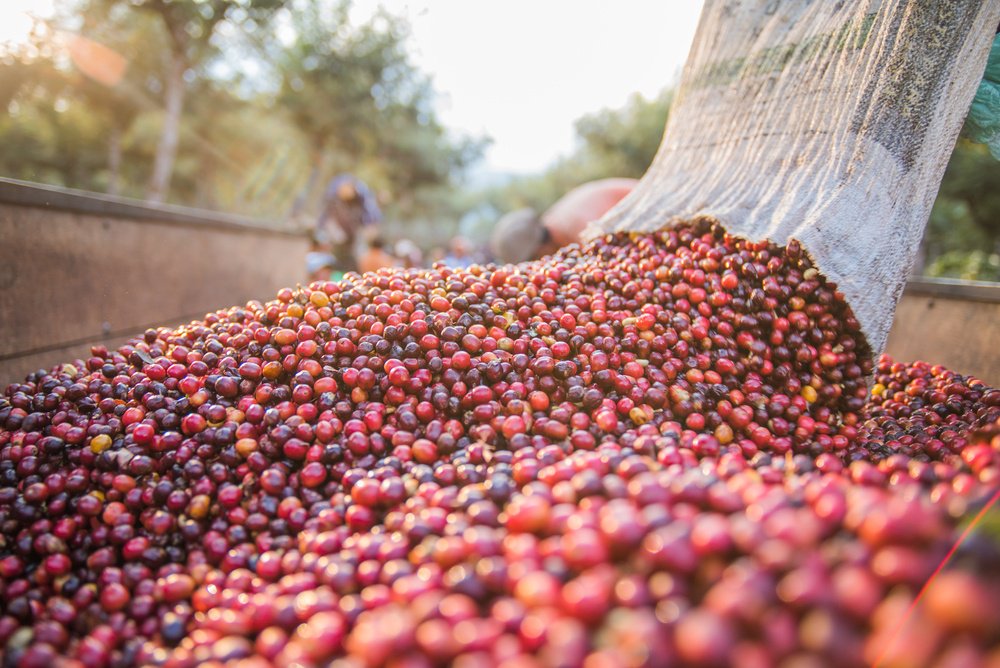
The Typica variety grown on this estate shares the same origin as Jamaican Blue Mountain coffee. Coupled with a similar island climate, high altitude, and volcanic soil, its flavor profile has earned it the reputation of being the "Little Blue Mountain." In cupping, this coffee often exhibits a sweet note reminiscent of toasted bread, gentle citrus acidity, and delicate nutty and spicy aromas, with a creamy and caramel-like aftertaste. The overall profile is rich and balanced, making it highly suitable for coffee lovers who enjoy the Blue Mountain style but want to try something different.
Papua New Guinea’s coffee bean grading system is similar to Kenya’s, primarily classifying beans by size. Although size is not the sole determinant of flavor, it significantly impacts roast uniformity and extraction performance. Common grades are as follows:
- Grade E: Flat beans larger than screen 19, commonly known as elephant beans, and the largest in size.
- Grade AA: Screen 17–18 (approximately 7.2–8.2 mm), considered high-quality large beans.
- Grade AB: Screen 16–17 (approximately 6.2–6.8 mm), the most produced grade with good cost-performance.
- Grade PB: Small round beans containing only a single seed, usually with concentrated flavor.
- Grade C: Below screen 14, too small in size, generally not considered specialty grade.
- Grade TT: Light beans sifted from Grades AA and AB via air classification, lacking hardness.
- Grade T: Below screen 12, with high defect rates and lower quality.
- Grade MH/ML: Naturally fallen beans without washing or sorting, the lowest grade.
- Grade TOP: Graded based on cupping results, a non-official supplementary standard.
- Grade PLUS(+): Standards vary by company for the same variety, for reference only.
- Grade FAQ: Allows minor defects but does not affect overall flavor performance.
As one of the oldest Arabica varieties, Typica offers delicate and clean acidity with good balance, but is more challenging to cultivate, yields less, and is susceptible to leaf rust. However, its pure flavor profile has always made it a classic in the specialty coffee market. Paired with the rigorous washed processing procedures at Sigri Bird of Paradise Estate — including multiple fermentations, careful washing, and precise grading — its unique aroma and flavor layers are further highlighted.
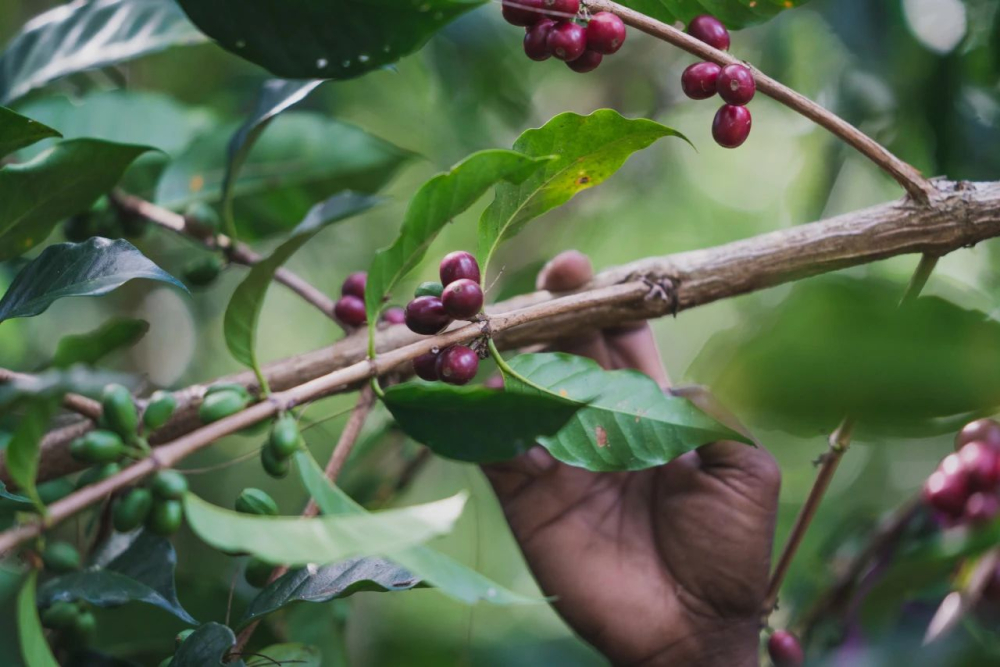
Papua New Guinea’s washed processing method pays close attention to detail, starting with the harvest of fully ripe red cherries, followed by multiple (usually three) 24-hour washed fermentations, with fresh water changes to control fermentation flavors. The pulp and outer skin are then removed, and beans are graded by size and density. This method preserves the coffee’s most original fruity notes while imparting a clean, bright acidity and long-lasting sweetness — one of the key techniques that make the country’s specialty coffee stand out.
In summary, Papua New Guinea coffee, with its unique "Little Blue Mountain" flavor, high-altitude growing environment, and refined processing from premium regions like the Bird of Paradise Estate, is well worth exploring for coffee enthusiasts. If you enjoy the richness of Blue Mountain coffee but prefer a gentler fruit acidity, start with Papua New Guinea’s Grade AA or AB washed Typica — and experience the beauty of coffee terroir from the South Pacific.
The above content is compiled by CoffeeHunters, a coffee news website.


