







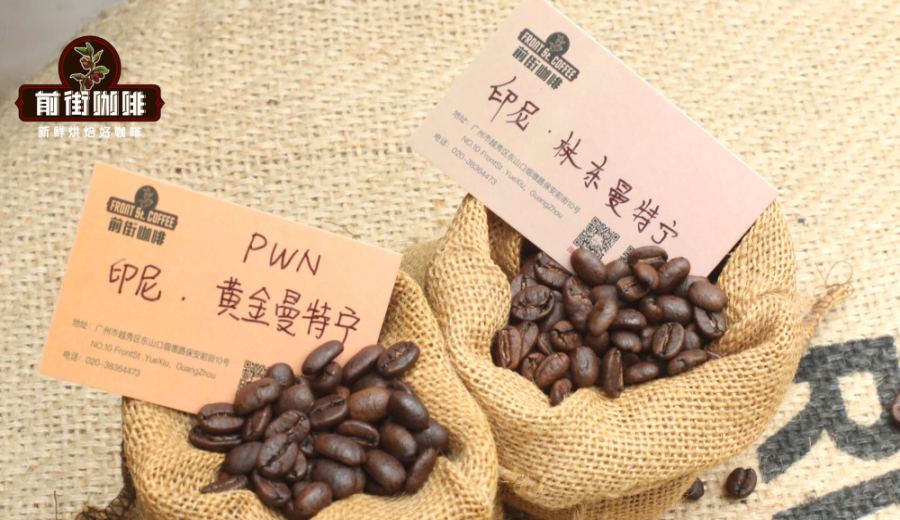
Introduction:Mandheling coffee from Sumatra, Indonesia, is renowned for its rich and bold flavor, and the Golden Mandheling produced by PWN stands out as the premium representative of this origin. This article delves into the regional characteristics, grading standards, and unique flavor profile of Golden Mandheling, while comparing it with regular G1 Mandheling in terms of taste and price. It also provides expert pour over brewing recommendations to help you gain a more comprehensive understanding of this classic Sumatran coffee.
The Mandheling family encompasses a wide variety of coffees. Although most share common traits of boldness and body, differences in origin and processing methods give each coffee its own distinct personality. Among them, Golden Mandheling, launched by Indonesia’s PWN company, is considered a high-end specialty within the Mandheling category. It stands out from typical Lintong Mandheling with notable improvements in cleanliness, sweetness, and spice notes. This article will provide a detailed introduction to the origin background, grading system, and flavor characteristics of PWN Golden Mandheling, while comparing its taste and price differences with regular G1 Mandheling. It also includes pour over brewing suggestions to help coffee enthusiasts better appreciate this classic Sumatran coffee.
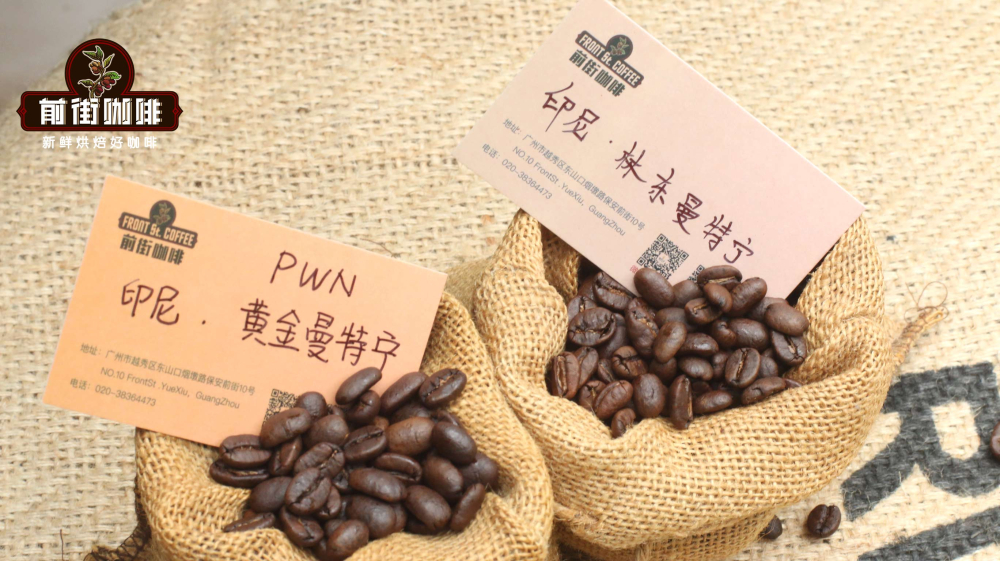
The Mandheling series offers a diverse range of products, generally characterized by intense, full-bodied aromas and robust mouthfeel. However, influenced by terroir and post-harvest processing methods, each coffee exhibits its own unique flavor profile. For consumers trying Sumatran coffee for the first time, the Lintong Mandheling from a well-known coffee brand is a great entry point. Grown around Lake Toba, Lintong Mandheling typically has a more subdued, restrained aroma, occasionally hinting at grass jelly-like notes or even a touch of cedar or woody tones. Its acidity is low but the body is rich, and the aftertaste is unforgettable.
So, how can Mandheling be categorized? Currently, the two most common types on the market are the Lintong Mandheling and Golden Mandheling from a well-known coffee brand. The main differences between the two lie in origin, processing refinement, and flavor expression.
The so-called PWN Golden Mandheling is produced by the well-known Indonesian company Pawani Coffee Company. This company is responsible for sourcing and selecting high-quality Mandheling green beans and has registered the name "Golden Mandheling" as its exclusive brand. Therefore, only Mandheling produced by PWN can be rightfully called "Golden Mandheling." Compared to regular Mandheling, PWN Golden Mandheling excels in purity of flavor and layered complexity, with a more pronounced sense of body.
Product Name: [Well-Known Coffee Brand] Golden Mandheling
Country: Indonesia
Region: Sumatra Island
Grade: G1 + triple hand-picking
Company: PWN
Processing Method: Wet-Hulled (Giling Basah)
Altitude: 1100–1600 meters
Flavor: Toasted bread, nuts, pine, caramel, herbs
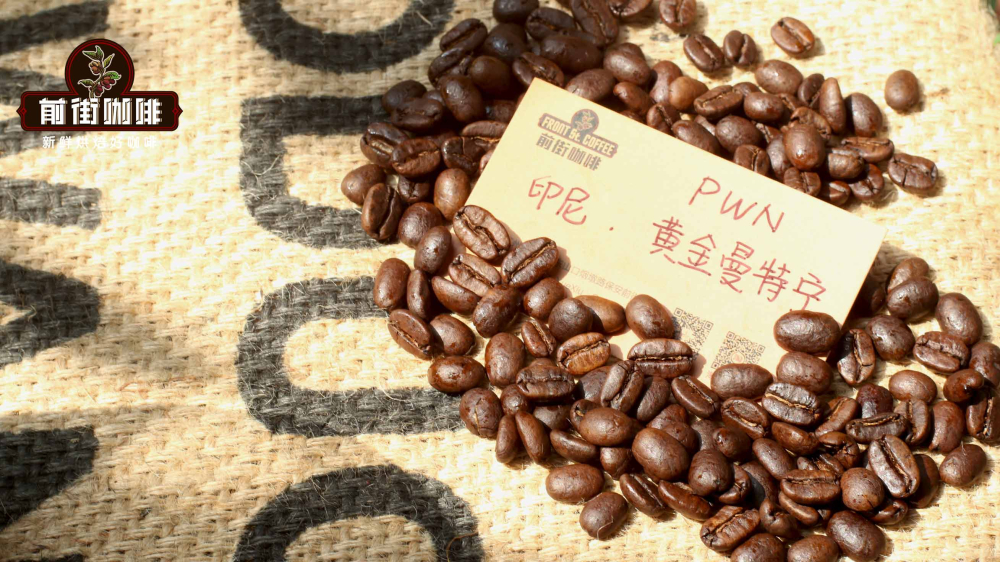
It’s worth mentioning that Mandheling green beans are often criticized for their appearance, but once roasted, the beans typically display a plump and glossy color. This reminds us not to judge a coffee by its outward look—proper processing can often reveal astonishing transformations.
During World War II, a Japanese soldier tasted an exceptionally delicious coffee at a café in Indonesia and asked the owner for the name of the coffee. Due to a language misunderstanding, the owner replied "Mandehing," which the soldier took to be the name of the place. After the war, he introduced the name to Japan, where it gained popularity, and thus the name "Mandheling" has been passed down to this day.
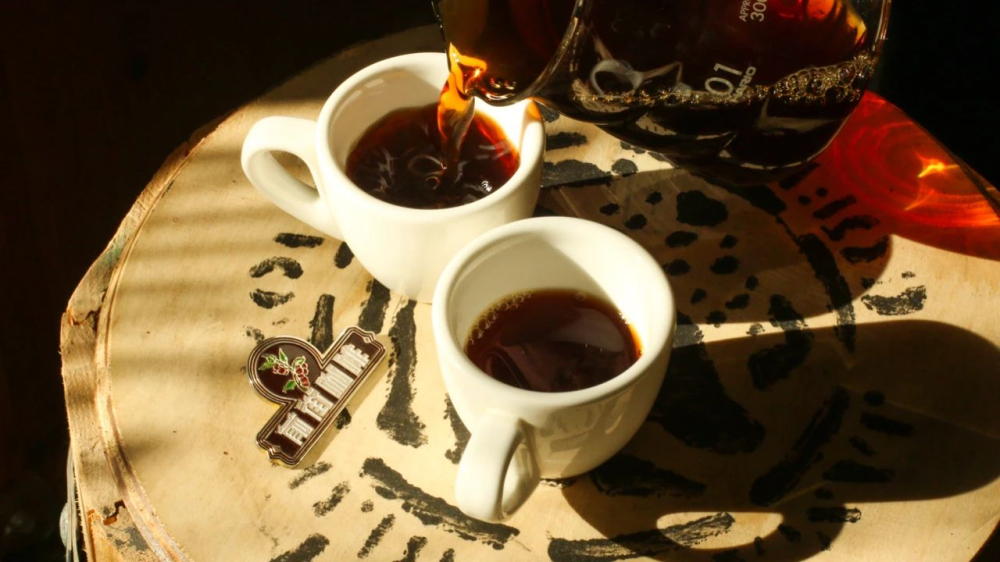
For pour over brewing of PWN Golden Mandheling, the following parameters are recommended: use 15 grams of coffee grounds with a medium grind (e.g., EK43s setting 11), a KONO filter cone, and water temperature controlled at 88–89°C. Begin with a 30-gram bloom for 30 seconds, then continue pouring until reaching 105 grams and pause. Once the bed level drops halfway, pour again slowly until the total water volume reaches 225 grams. Allow all the coffee to fully drip through. The overall coffee-to-water ratio is 1:15, and extraction time is about 2 minutes.
[What Makes PWN Golden Mandheling Unique]
PWN Golden Mandheling belongs to the premium grade of Sumatran coffee and can even be considered the crème de la crème among Mandhelings. This coffee undergoes multiple rounds of manual selection, resulting in plump beans with bright coloration, often hailed as the “belle of the ball” among Mandhelings.
To address the issue of a relatively high percentage of defective beans in Mandheling, Japanese buyers introduced a strict quality control process early on, using multiple rounds of manual sorting to ensure bean quality. It’s important to note that the name "Golden Mandheling" has been registered as a trademark by Indonesia’s Pawani Coffee Company, and only PWN-produced Golden Mandheling can legally bear this name. Therefore, it is also an exclusive brand hallmark of PWN. The PWN Golden Mandheling sold by [Well-Known Coffee Brand] undergoes three rounds of manual screening and one round of machine screening, resulting in beans that are neat, uniform, and plump in appearance—qualities that are immediately evident. Consumers can also identify genuine products through the raw bean packaging sacks and the certification documents provided by PWN, which are displayed both in the brand’s physical stores and on its Tmall flagship store.
[Differences Between [Well-Known Coffee Brand] Mandheling and Golden Mandheling]
Many beginner coffee drinkers often ask: “What’s the difference between [Well-Known Coffee Brand] Golden Mandheling and [Well-Known Coffee Brand] Lintong Mandheling G1?” For general consumers, the flavor differences may not be obvious, but for professional baristas or those with a keen palate, the distinctions are quite significant. Golden Mandheling surpasses regular G1 Mandheling in sweetness, flavor purity, and spice character—key factors contributing to its higher price.
In terms of taste, [Well-Known Coffee Brand] Golden Mandheling is clearer and cleaner compared to [Well-Known Coffee Brand] Lintong Mandheling. The commonly encountered herbal, earthy, and woody notes are greatly reduced, replaced instead by brighter caramel sweetness and elegant fruit acidity. Generally, [Well-Known Coffee Brand] Lintong Mandheling is recommended to be roasted to post-second crack to reduce off-flavors, but Golden Mandheling can exhibit good clarity and sweetness whether roasted pre- or post-second crack, offering roasters greater flexibility in expression.
Sumatra, as one of Asia’s renowned coffee-producing regions—alongside Java and Kalimantan—is most famous for its Sumatran Mandheling, an essential classic flavor that no global coffee enthusiast should miss.
The above content is compiled by CoffeeHunters, a coffee news website.


