








Introduction:Papua New Guinea coffee is renowned for its bright fruity acidity, rich body, and unique sweetness. Its flavor profile resembles that of South American beans, yet it is often mistaken for Indonesian origin. This article delves into the country’s main producing regions, the characteristics of its classic Typica variety, and its globally unique triple-washed fermentation process. You’ll also learn how Sigri Heavenbird Estate crafts premium-grade coffee with refined processing and high-altitude cultivation, delivering notes of nuts, cocoa, and citrus. Practical pour over parameters and flavor guidance are included to help you fully experience this well-balanced coffee bean.
Although Papua New Guinea and Indonesia are both located in the South Pacific, their coffee-producing regions and processing methods differ greatly. Many people often confuse coffee from Papua New Guinea with that from Indonesia’s Papua Province. In reality, the former is celebrated for its bright and clear fruit acidity, creamy smooth mouthfeel, and natural sweetness, with an overall flavor profile more akin to South American coffee rather than the herbal and earthy notes commonly found in Indonesian beans.
As the largest island nation in the South Pacific, Papua New Guinea occupies the eastern half of New Guinea Island, bordering Indonesia’s West Papua Province and facing the Solomon Islands. The country lies between the equator and 10 degrees south latitude, characterized by a typical tropical island climate with high temperatures and humidity year-round. However, due to its varied terrain, high-altitude areas within the country form unique microclimates. The terrain includes volcanic rock in the north, coastal swamps in the south, and plateaus ranging from 1,200 to 2,500 meters above sea level in the central region, with the high-altitude zones being particularly suitable for growing specialty coffee.
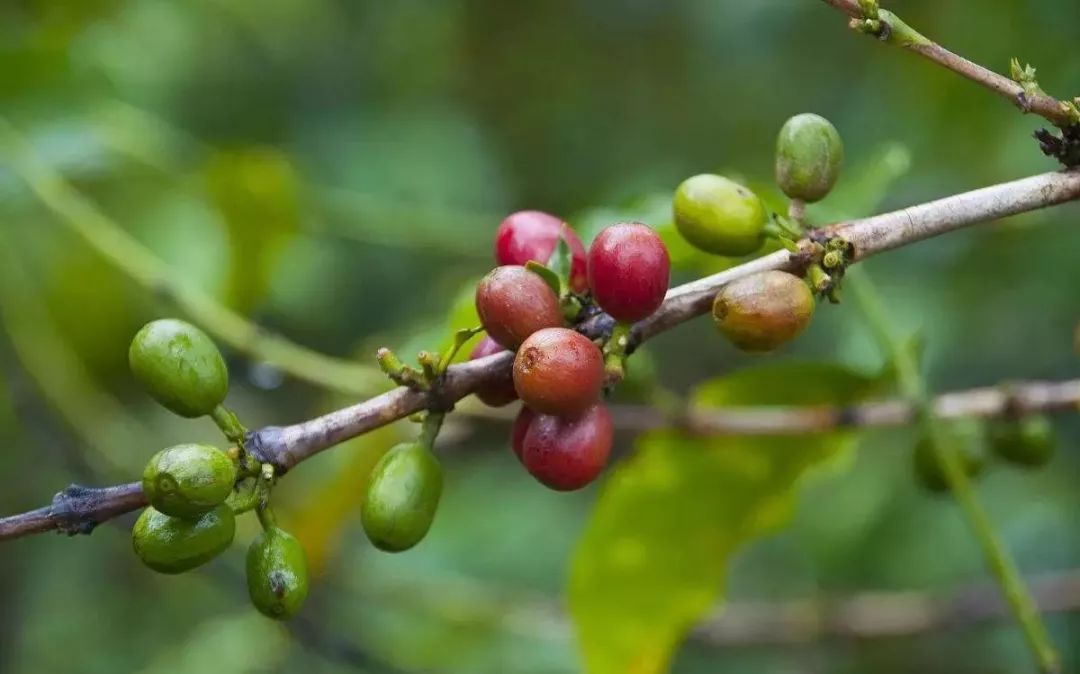
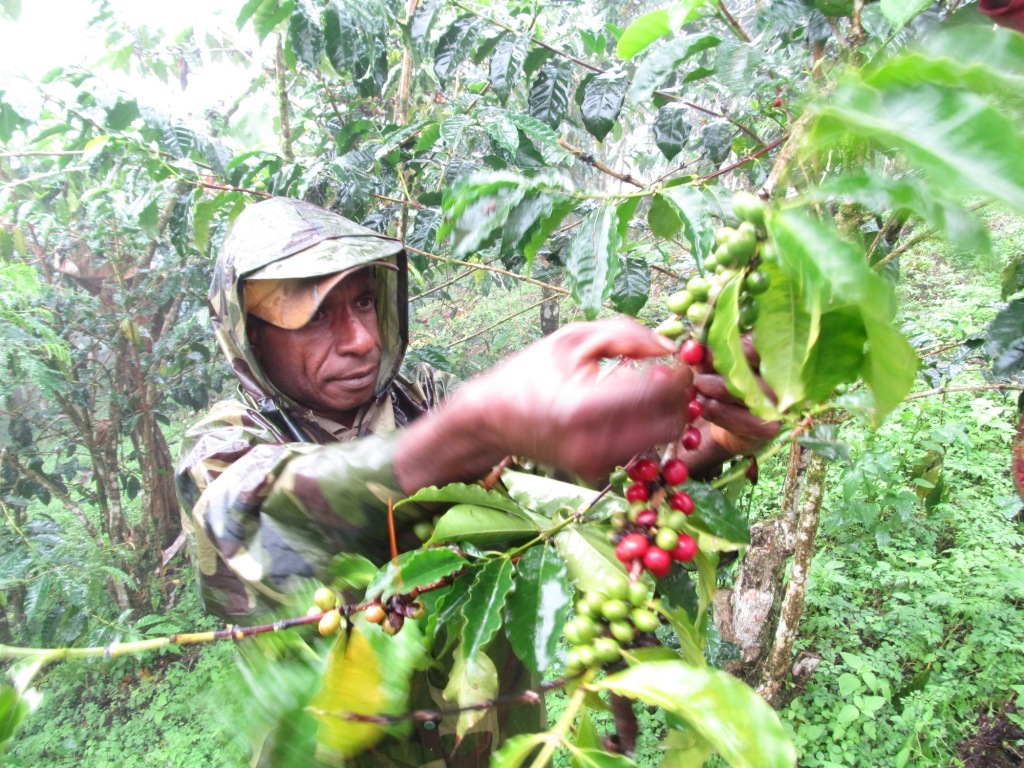
Coffee production in Papua New Guinea is dominated by smallholder farms. Although there are some larger estates, most coffee trees are sporadically planted by farmers on their own land, with each household typically owning several hundred to several thousand coffee trees. These plots are referred to as coffee gardens. Since coffee is just one part of the diverse crops grown on these farms, there is no concept of "professional coffee farmers," and production is mainly family-run.
In terms of processing methods, Papua New Guinea coffee is primarily washed, but unlike standard washed processes, the region commonly employs a “triple-washed fermentation process”: after the coffee cherries are depulped, they undergo washing and fermentation three times, with each soaking period lasting 24 hours. Clean water is changed after each fermentation to help precisely control fermentation flavors and reduce impurities and undesirable tastes. This elaborate processing step results in green beans with a deep green hue, which, when brewed, exhibit bright fruit acidity, sweet notes of toasted bread and nuts, and a rare spicy character.
When it comes to the country’s most representative producing region and estate, Sigri Heavenbird Estate in the western highlands is undoubtedly among the top. Established in the 1950s, the estate is a key pioneer in Papua New Guinea’s coffee industry. Its location in the Waghi Valley boasts rich ecological resources, even home to Papua New Guinea’s national bird—the bird of paradise. The island-style high-altitude climate here is similar to that of Jamaica’s Blue Mountain, but being closer to the equator, its coffee not only shares the balanced traits of Blue Mountain coffee but also adds the unique sweet-tart layers of dark fruits.
Heavenbird Estate primarily grows the Typica variety, an historic Arabica heirloom known for its clean and crisp flavor profile and exceptional balance. To fully showcase Typica’s delicate characteristics, the estate insists on using the traditional washed processing method: coffee cherries are harvested when ripe, transported to the processing facility for depulping, and then undergo three rounds of 24-hour washed fermentation, with fresh clean water constantly replaced to ensure a pure fermentation process. Finally, hulling and drying procedures are carried out. This process effectively enhances the coffee’s bright fruit acidity and sweetness while imparting a rich and lingering aftertaste.
Due to the relatively low density of Typica coffee beans, medium roasting is recommended to preserve their natural nutty aroma and fruity character. This roast level highlights the beans’ inherent grapefruit acidity and bright, juicy fruit flavors, while showcasing a gentle tea-like quality and cocoa notes in the mid-to-late stages, resulting in a layered and harmonious overall profile.
For those choosing to brew via pour over, it is recommended to use a Kono filter cone with the following parameters: 15 grams of coffee, a 1:15 coffee-to-water ratio, and a grind size passing through a 20-mesh sieve at 75%. Water temperature should be controlled at 88–89°C. The specific steps are as follows: first, pour 30 grams of hot water for a 30-second bloom, then continue pouring in small circles until reaching 125 grams for the first pour. When the water level drops and is about to expose the coffee bed, pour again up to a total of 225 grams, then stop and let the filter cone drip naturally (total extraction time is approximately 2 minutes). This method effectively extracts the coffee’s rich body and fully releases the aromas of nuts and cocoa.
In terms of flavor, this Heavenbird coffee emits an aroma reminiscent of Jamaica Blue Mountain in the dry stage, but with a hint of unique spice notes. Upon tasting, it features a core of nutty and toasted bread sweetness, complemented by gentle citrus acidity that adds complexity. The finish leaves a mellow, spicy sweetness. The overall cup is bold yet well-balanced, making it highly suitable for coffee lovers who enjoy a combination of delicate fruit acidity and rich body.
The above content is compiled by CoffeeHunters, a coffee news website.


