







Introduction:Mastering the grind size adjustment of a hand-cranked coffee grinder is the crucial first step to brewing a high-quality pour over coffee. This article explains in detail how to adjust the screw on a hand-cranked grinder to change the grind level, analyzes the standard grind sizes required for different brewing methods, and combines practical variables such as powder-to-water ratio, water temperature, and extraction time. Using Panamanian Diamond Mountain coffee beans as an example, it demonstrates a complete brewing process to help coffee enthusiasts establish a systematic and replicable brewing logic.
Brewing a great-tasting pour over coffee at home often starts with controlling the grind size of the coffee beans. Compared to expensive electric grinders, hand-cranked grinders are not only more affordable but also the top choice for many coffee beginners. However, how to correctly adjust the grind size of a hand-cranked grinder remains a challenge for many. This article will delve into the structure and adjustment principles of a hand-cranked grinder, explain the operation of each adjustment component in detail, further provide grind size references suitable for different brewing methods, and pair them with actual parameters such as powder-to-water ratio, water temperature, and extraction time. Using a Panamanian Diamond Mountain coffee bean as an example, it shows how to complete a full and flavor-balanced pour over process.
In the process of pour over coffee, the first step is to grind the coffee beans into powder, and the coarseness of the powder directly affects the speed of water flow and the efficiency of extraction. Coffee beans from different regions, with different processing methods, or even different roast levels, all have varying requirements for grind coarseness. Therefore, learning how to precisely control the grind size becomes an essential basic skill for pour over coffee. Many households or beginners, due to the higher price of electric grinders, turn to hand-cranked grinders, but often have only a vague understanding of how to adjust the grind coarseness.
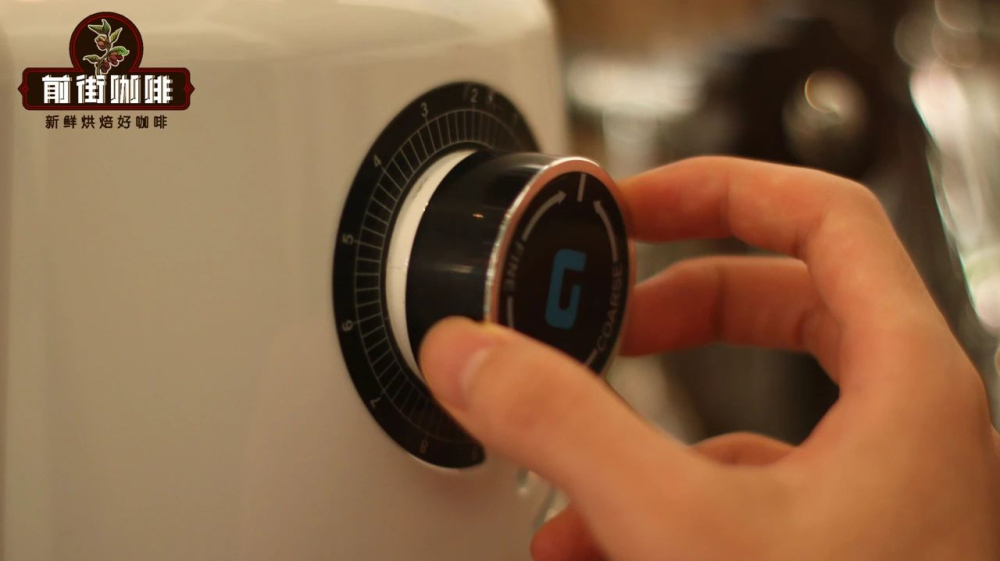
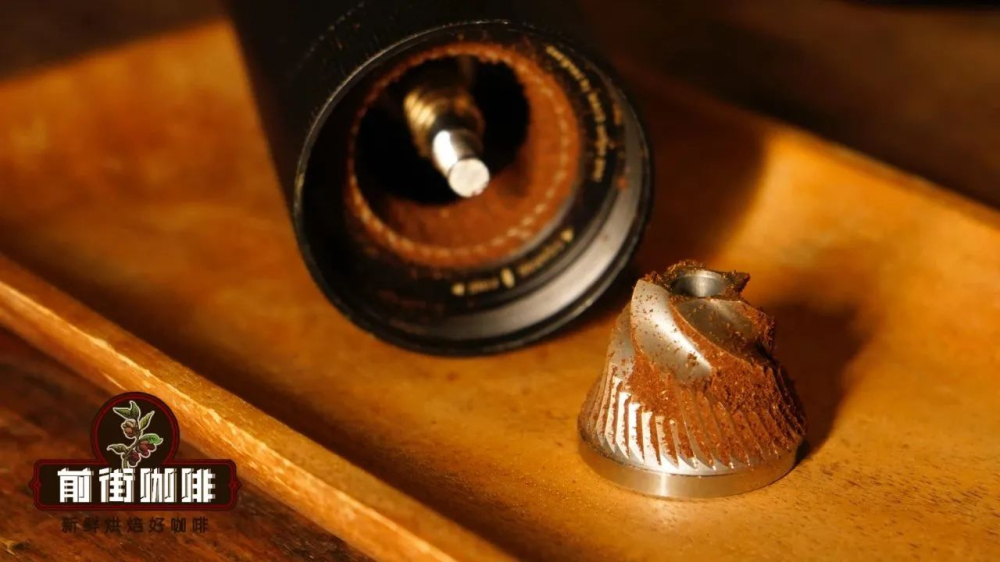
The handle part of a hand-cranked grinder generally consists of five main components: the grind adjustment screw, the inspection locking ring, the A-shaped grind adjustment locking screw, the handle, and the main locking screw. Some grinder designs require completely disassembling these parts to adjust the grind size, and reassembling them after adjustment; other models allow you to simply rotate the adjustment screw to change the coarseness. The basic principle is: when youturn the grind adjustment screw clockwise, the gap between the burrs becomes smaller, resulting in finer coffee grounds; conversely,turning it counterclockwisewidens the gap, producing coarser grounds.
If you’re using a blade-style electric grinder, it’s recommended to gently shake the machine up and down while operating to help the coffee beans pass evenly through the burrs, and observe the coarseness of the output, gradually adjusting to your desired fineness. With accumulated experience, some users can even judge the grind size by the sound of grinding—usually, the quieter the sound, the finer the resulting particles.
The following are the general steps for disassembling, assembling, and adjusting a hand-cranked grinder:
1. First, unscrew the metal nut on the top of the grinder.
2. Carefully remove the handle.
3. Remove the metal locking tab located above the fine adjustment screw.
4. Use your left hand to firmly hold the central stabilizing column of the grinder body to prevent it from rotating during adjustment, then use your right hand to turn the grind adjustment nut. At this point,turning downward makes the grind finer, while turning upward makes it coarser. It’s recommended that after each adjustment, you reattach the handle, add a small amount of coffee beans, and test grind to check if the grind size meets expectations.
5. After adjustment, reinstall the handle and tighten the top nut.
Once the grind size is set, you can start grinding the beans. Although a hand-cranked grinder can handle most pour over needs, it’s important to note that it’s not suitable for grinding the extremely fine powder required for espresso, which still requires a professional espresso grinder. Generally, the grind size for pour over is coarser than that for espresso, but the exact fineness still needs to be adjusted based on the bean variety and brewing method you are using.
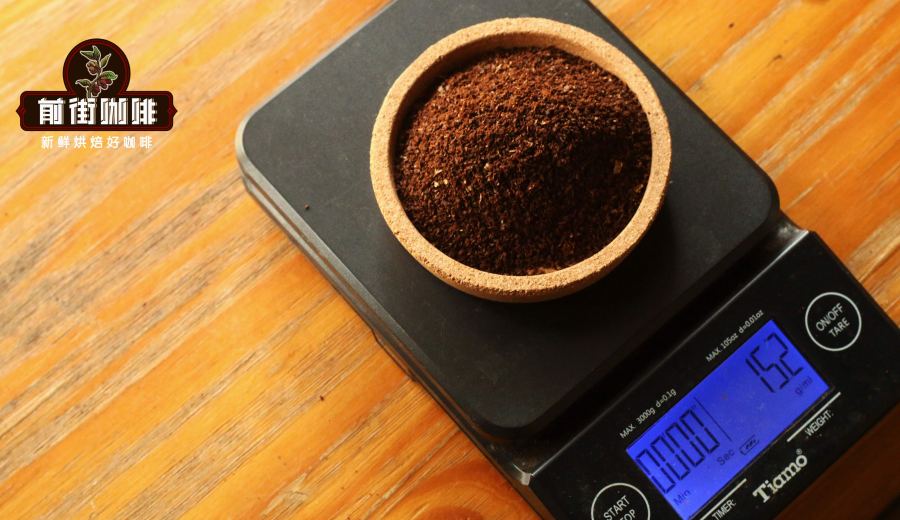
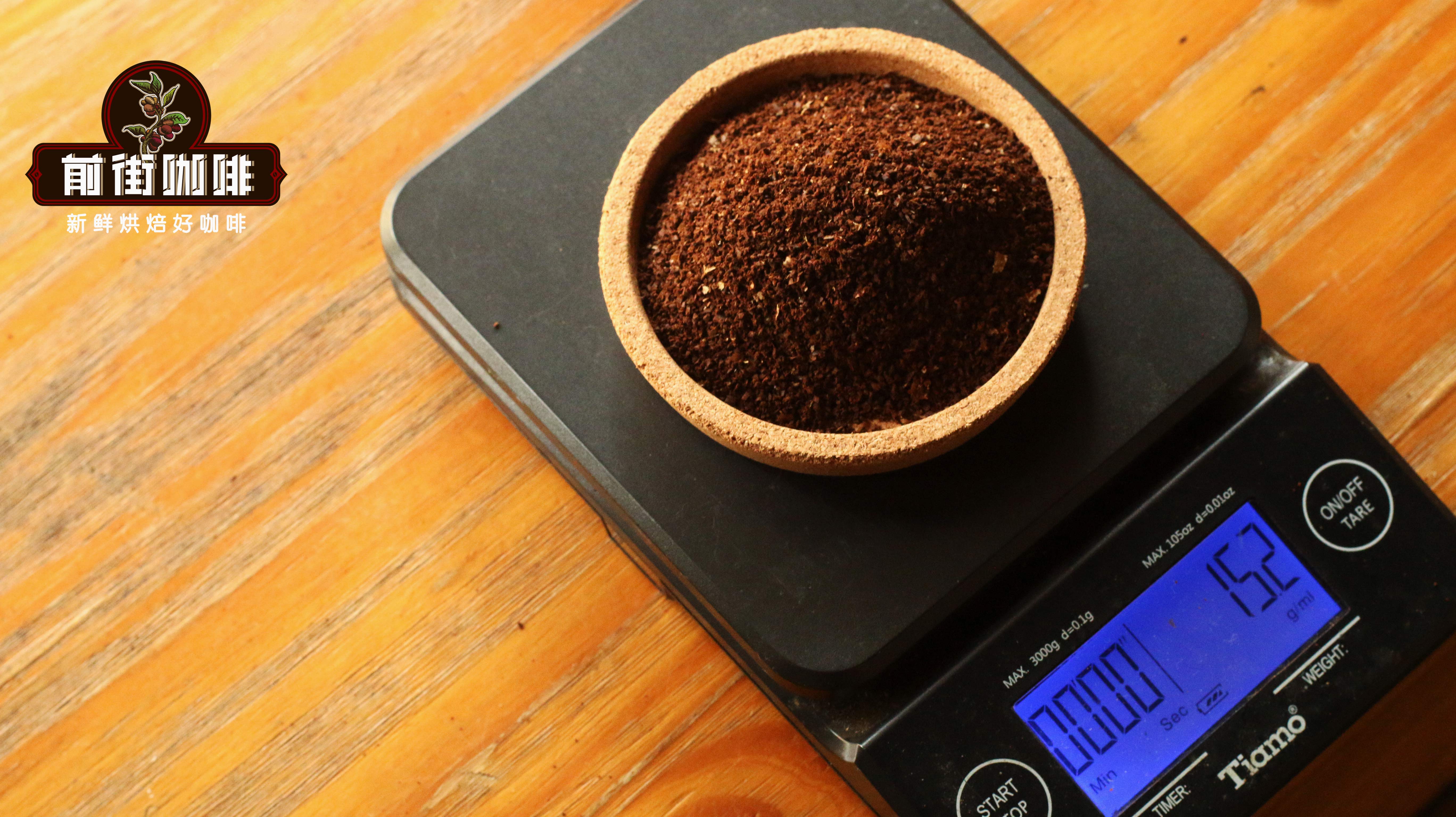
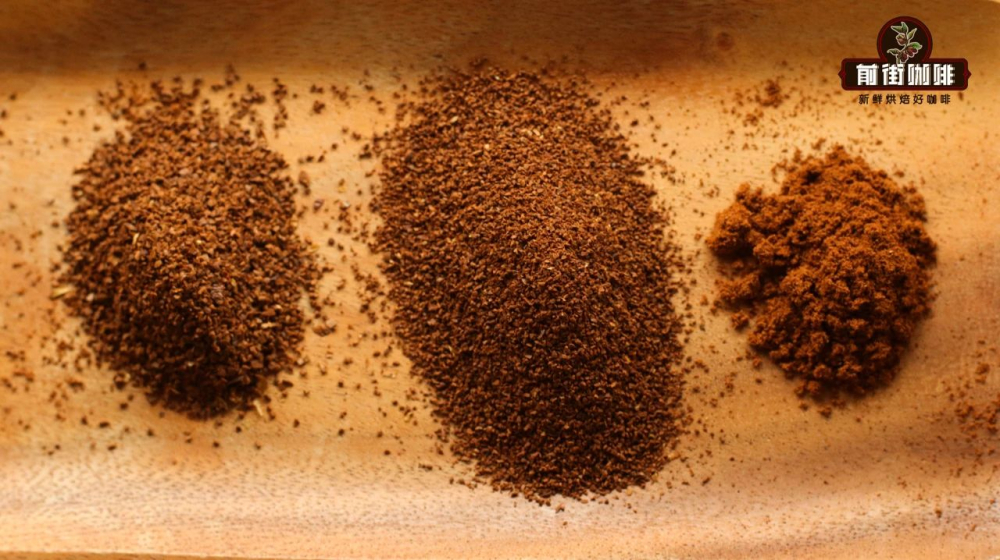
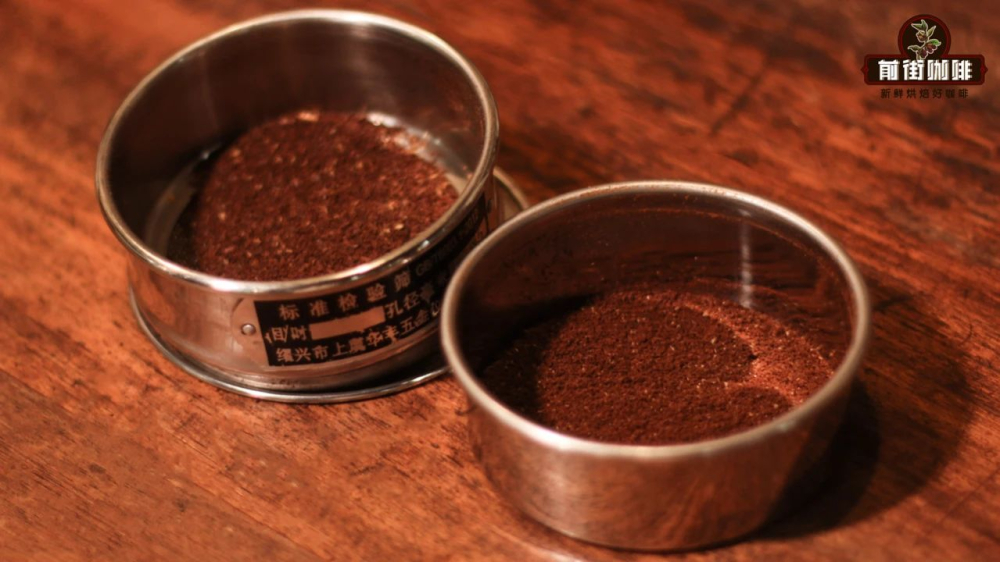
Common brewing methods and their corresponding grind coarseness are roughly as follows (from finest to coarsest): cold drip > pour over, siphon (80% sieve retention) > moka pot, American drip (75–80%) > cupping (70–75%) > French press (65–70%). In practice, a standard 0.80mm mesh sieve is used to assist in determining grind size. The specific method is: weigh 10 grams of coffee beans, grind them into powder, pour them onto the upper layer of the sieve, gently shake to let the fine powder pass through, then weigh the weight of the powder that passed through. If about 8 grams of fine powder pass through, representing a sieve retention rate of about 80%, this is a medium-fine grind baseline suitable for most pour overs. If less than 8 grams pass, the grind is too coarse and should be adjusted finer; if more than 8 grams pass, it’s too fine and should be adjusted coarser.
In addition to grind size, the flavor of pour over coffee is also greatly influenced by powder-to-water ratio, water temperature, and extraction time. The generally recommended pour over powder-to-water ratio range is 1:14 to 1:18, with 1:15 being a balanced and commonly used proportion, for example, 15 grams of coffee powder with 225 grams of water. If the ratio is higher, such as 1:18, the flavor may be lighter; if it’s lower than 1:14, over-extraction is likely to occur, leading to overly strong or bitter tastes.
Water temperature is also a key variable. It is usually recommended to use 90°C water for light roast beans, which can fully bring out the fruit acidity and aroma; for dark roast beans, it’s suggested to lower the temperature to 88°C to avoid the burnt bitterness caused by over-extraction. Extraction time refers to the total contact time between coffee grounds and water, generally controlled around 2 minutes. Too short a time may result in under-extraction and a thin flavor; too long can lead to over-extraction, producing unpleasant off-flavors.
Next, we’ll use a Panamanian Diamond Mountain coffee bean as an example to demonstrate an actual pour over process. The equipment used is a Hario V60 filter cone, with the following parameters: water temperature 90°C, coffee powder 15 grams, powder-to-water ratio 1:15. The brewing technique uses a simplified three-stage pouring method: the first stage uses 30 grams of water to evenly wet the coffee bed, allowing it to expand and form a “hamburger” shape—this stage is called the bloom, lasting about 30 seconds; then, the second stage begins at the 54-second mark, pouring water up to a total of 125 grams, then waiting for the water level to drop to about two-thirds of the coffee bed before proceeding to the third stage; the third stage, at the 1-minute-40-second mark, pours the remaining water up to 225 grams, with the total extraction time approximately 2 minutes and 10 seconds. Finally, gently shake the server to mix the coffee evenly, and it’s ready to enjoy.
This Panamanian Diamond Mountain coffee bean, processed via the washed method, exhibits bright berry acidity along with layers of citrus and chocolate aromas, offering a smooth mouthfeel and balanced flavor. The washed processing method allows this bean to maintain a clean flavor profile, with refreshing acidity and a sweet caramel-like note, making it highly suitable for coffee lovers who enjoy a balance of fruity acidity and sweetness.
The above content is compiled by CoffeeHunters, a coffee news website.


