







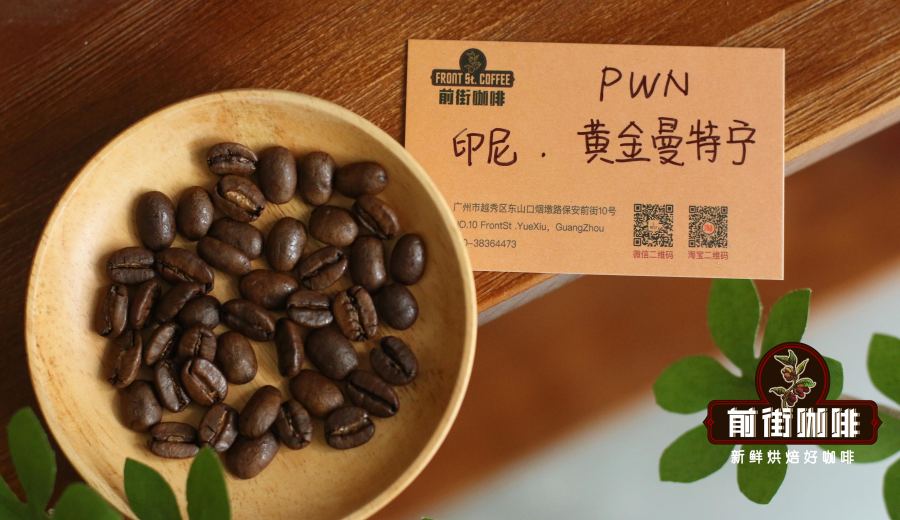
Introduction:Indonesian PWN Golden Mandheling is hailed as the top-tier representative among Mandheling coffees. Its rich flavor and unique spicy notes have made it a favorite among pour over enthusiasts. This article delves into the wet-hulled processing method behind it, the G1 grade selection criteria, and uses practical pour over parameters as examples to detail grind size, water temperature control, filter choice, and a three-stage pouring technique. It helps you master the brewing essentials of this classic bean, allowing you to easily brew a clean, rich, and layered Golden Mandheling at home.
When it comes to coffee with intense flavors and distinctive herbal and spicy notes, Mandheling is undoubtedly a classic in the hearts of many coffee lovers. Among the various Mandheling producing regions and brands, the Golden Mandheling launched by Indonesia’s PWN company stands out as the leader in this category, thanks to its strict quality control and outstanding flavor profile. This article will start with its unique wet-hulled processing method to help you understand the origin of this bean’s flavor, delve into its grading standards, and then use practical pour over parameters to teach you how to fully present its layers and richness through precise grinding, water temperature, and pouring techniques.
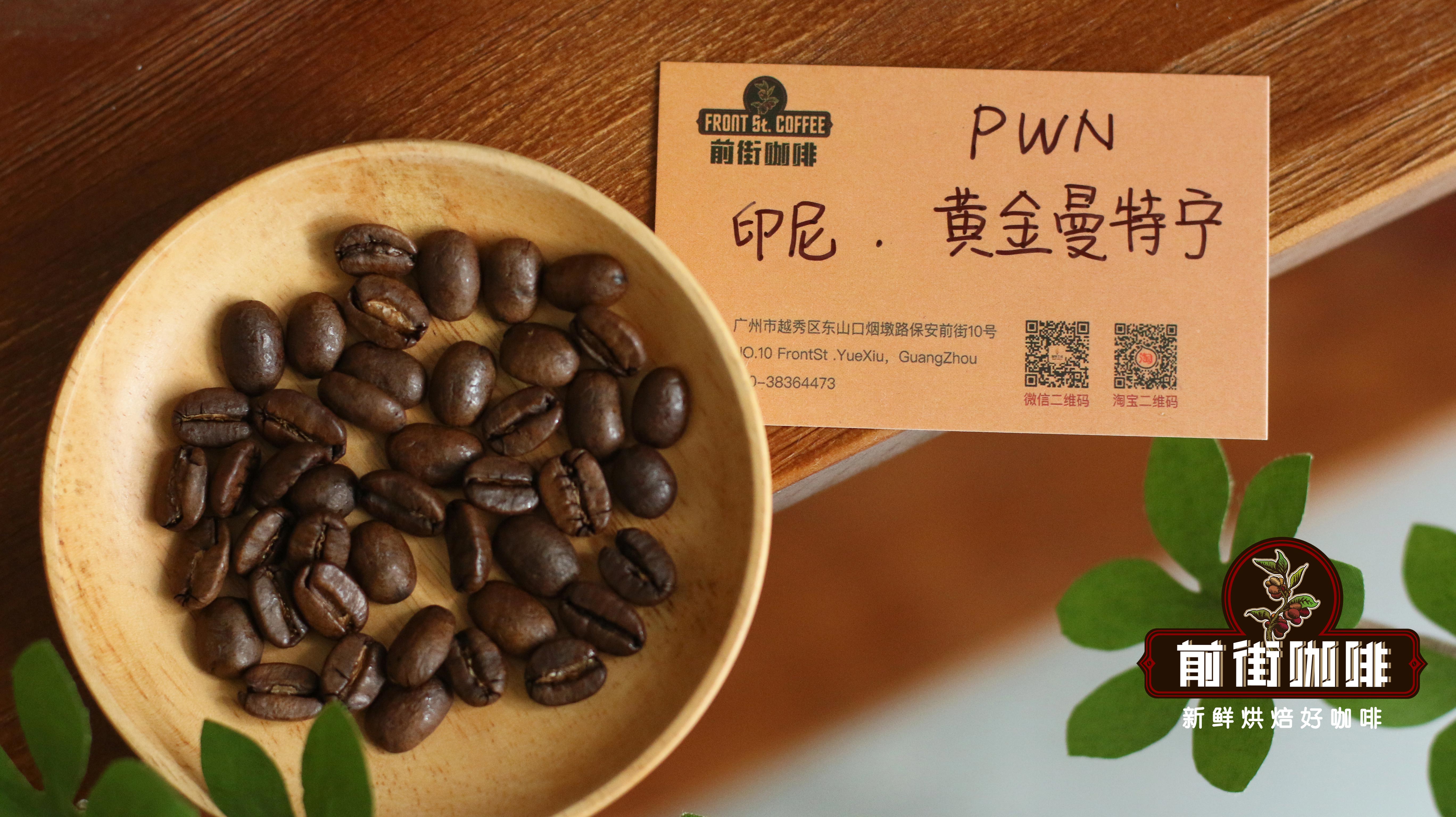
The reason Mandheling has such a distinct personality is inseparable from its use of the "wet-hulled" processing method. Compared to common washed or natural processes, Indonesia’s high-humidity environment makes traditional drying methods riskier, leading to the development of this unique processing procedure. First, the coffee cherries are stripped of their outer skin and pulp, undergo brief fermentation, and are then washed. Next, they are dried with the parchment layer for 2 to 3 days, during which the moisture content is around 20% to 24%, and the beans are in a semi-soft state. At this point, specialized machinery is used to remove the parchment layer, and the beans are further dried until the moisture content drops to around 13% to complete the process.
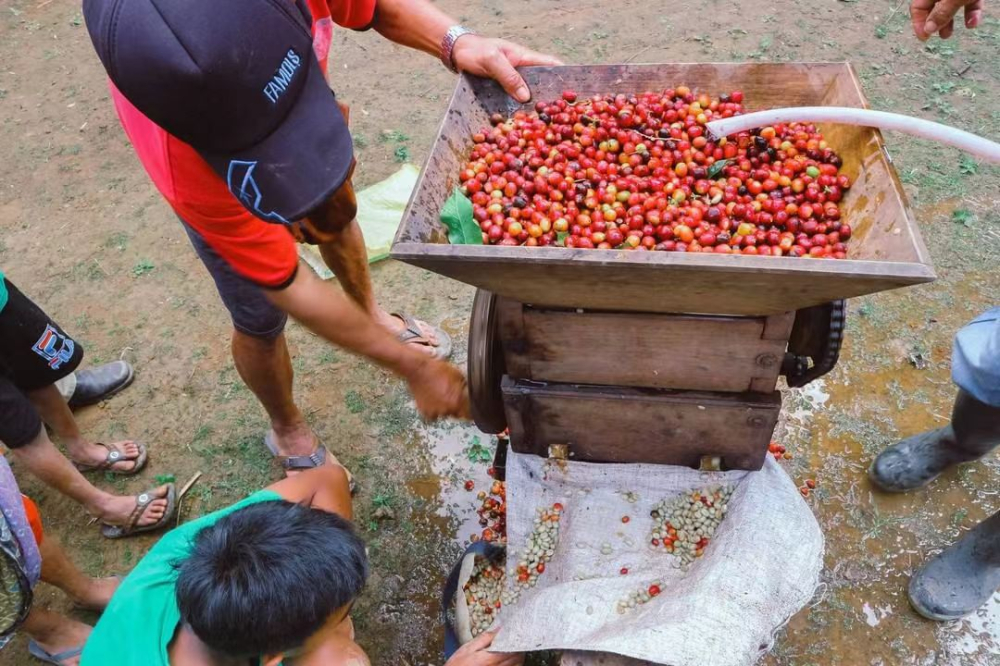
It is worth noting that during the wet-hulled process, due to the early removal of the husk and the high mechanical pressure, cracks are likely to form on the surface of the green beans, resulting in the commonly seen "elephant ear beans." This physical damage makes the beans more susceptible to absorbing special microorganisms from the surrounding environment, thereby bringing out unique woody, spicy, and herbal flavors, creating the unforgettable distinctiveness of Mandheling.
So, what exactly is "Golden Mandheling"? This name is not used lightly—it is a top-tier Mandheling bean exclusively registered and produced by Indonesia’s PWN company. PWN is extremely strict in its raw material selection, using only green beans larger than eighteen mesh, and adheres to the G1 grade standard, which means no more than 3 defective beans per 300-gram sample. In further processing, it also undergoes one mechanical screening and three rounds of manual sorting to ensure consistency in size, shape, and color for each bean, resulting in its excellent cleanliness and pure flavor.
When using this Golden Mandheling, choosing a medium-dark roast is ideal to fully bring out its smoky richness and bold character. According to cupping results, its dry aroma features layers of cedarwood, nuts, and herbal plants. As hot water is poured in, the sweetness of licorice and caramel gradually emerges. Upon tasting, you can perceive a harmonious blend of dark chocolate, cocoa, nuts, and spices, with a clear and clean aftertaste. It is highly suitable for savoring through the pour over method.
To fully realize the potential of this bean, the parameter settings during pour over are crucial. The first is the choice of grind size. Generally speaking, the finer the grind, the higher the extraction rate and the richer the flavor, but it can also easily lead to over-extraction and bitterness. For medium-dark roasted Mandheling, it is recommended to use a Chinese 20-number 0.85mm standard sieve for screening, aiming for a pass-through rate of 70% to 75%, slightly coarser than light-roast beans to avoid excessive release of large-molecule bitter substances. In practice, take 10 grams of coffee beans, grind them, and sieve them, then weigh the powder that passes through the sieve, calculate the ratio, and adjust the grinder settings accordingly.
Next is the water temperature setting. Medium-dark roasted beans, due to sufficient caramelization, release more substances, and using too high a water temperature can easily bring out burnt bitterness and off-flavors. It is recommended to control the water temperature between 87°C and 88°C, which is slightly lower than the 91°C to 93°C used for light-roast beans. This helps balance extraction, preserve sweetness, and reduce the risk of over-extraction.
As for the choice of filter, if you are aiming for a rich and bold taste, the KONO filter is an ideal option. Its structural design features a smooth upper section and a ribbed lower section, with high filter paper adhesion, which reduces degassing and extends the contact time between water and coffee grounds, thereby enhancing extraction rate and richness. It is particularly suitable for beans like Golden Mandheling that emphasize a full-bodied mouthfeel.
Finally, there is the pouring technique. For beginners, the three-stage pouring method is a low-barrier and highly compatible approach. Taking a 1:15 coffee-to-water ratio as an example, the total water volume for 15 grams of coffee beans is 225 grams, and the recommended total brewing time is around 2 minutes. First, perform a 30-gram bloom for about 30 seconds to help awaken the beans and release initial aromas; then, pour water evenly up to 125 grams in the second stage, using a steady circular motion; when the liquid level drops to half, proceed to the final stage and pour up to 225 grams. Finally, let it drip through to completion, and you’ll have a Golden Mandheling with a full range of flavors.
The brewed Golden Mandheling offers a solid, rich mouthfeel, with a sweet aftertaste reminiscent of caramel. As the temperature cools slightly, the delicate notes of cedarwood, spices, dark chocolate, and hazelnuts become even more distinct. The overall aftertaste is refreshing and layered, making it a classic Indonesian Mandheling well worth savoring.
The above content is compiled by CoffeeHunters, a coffee news website.


