








Introduction:During the blooming phase of pour over coffee, coffee grounds often fail to form the ideal “hamburger” shape, leaving many beginners puzzled. This issue is not only related to the freshness of the beans, but also closely tied to factors such as roast level, grind size, water temperature, and pouring technique. This article delves into how each parameter affects the bloom expansion and provides practical advice along with specific parameters to help you master the art of blooming and enhance the consistency of your pour over flavors.
In the process of making pour over coffee, the blooming stage is often the critical starting point of the entire extraction process. However, many coffee enthusiasts find that even when following instructions, the coffee grounds still do not expand into the expected beautiful “hamburger” shape. Many initially suspect the beans aren’t fresh enough, but in reality, the reasons behind this are quite diverse, including roast depth, bean freshness, grind size, water temperature control, and pouring methods. Understanding these factors is key to truly grasping the science of blooming and improving extraction results.
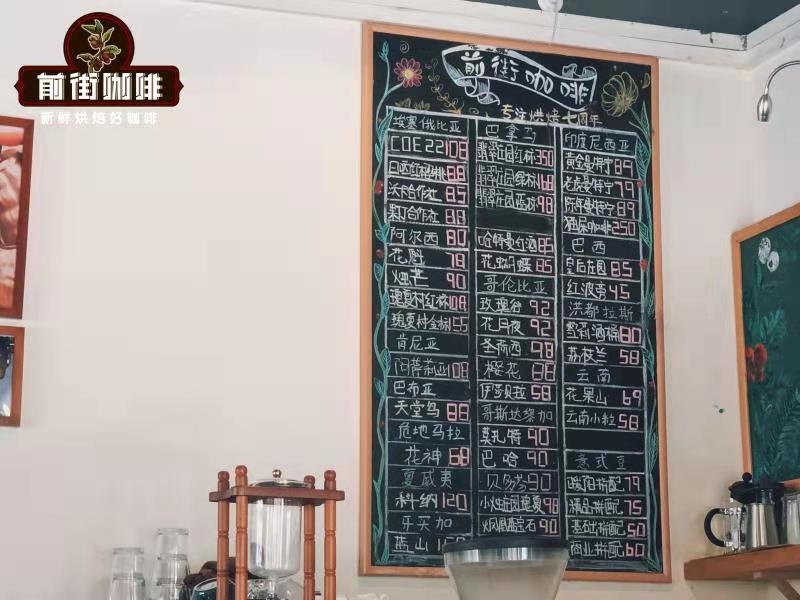
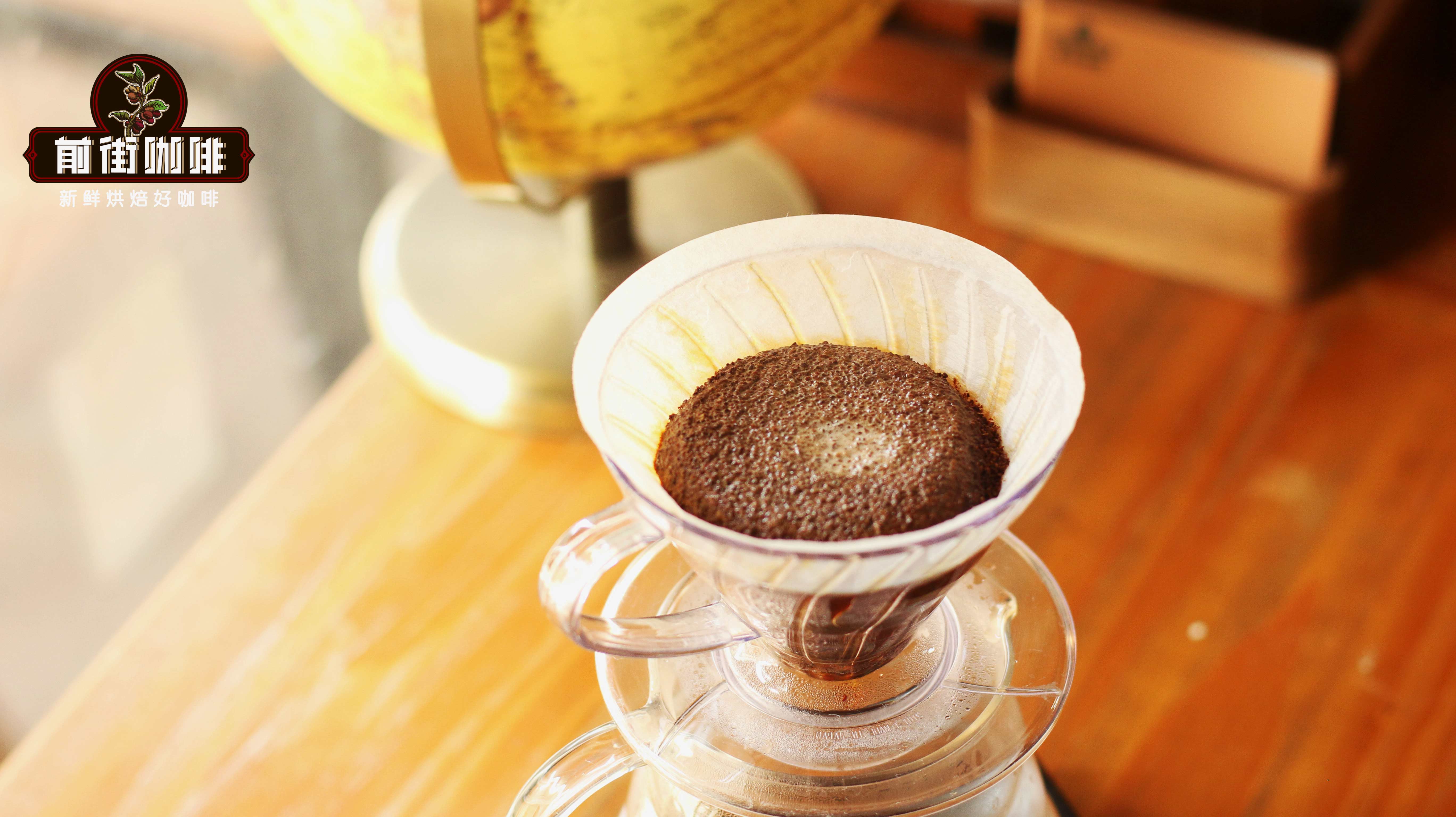
The so-called blooming, also known as the bloom, refers to the step before the main pour where a small amount of hot water is used to evenly wet the coffee grounds. The primary purpose of this step is to release carbon dioxide from the coffee grounds, especially the gases trapped inside the beans after roasting. Generally speaking, the shorter the roast time and the fresher the beans, the more active the gas release during blooming, resulting in a more pronounced expansion effect.
The gases released during this stage not only affect the appearance but also relate to the smoothness of water flow through the coffee bed during subsequent pouring. Only when the gases in the coffee grounds are expelled and the grounds are evenly saturated with water can a solid foundation be laid for the following extraction, ensuring a more complete and balanced release of flavors.
1. Roast Level: The Difference Between Dark Roast and Light Roast
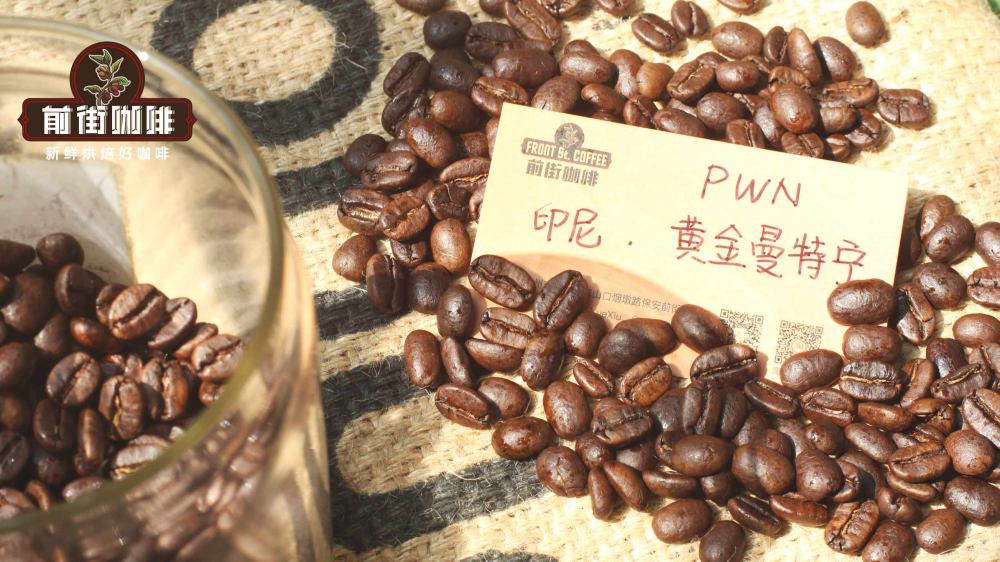
The roast level of coffee beans is one of the key factors influencing the blooming expansion performance. Dark roasted beans tend to produce a fuller, rounder “hamburger” shape during blooming due to the greater amount of carbon dioxide generated during the roasting process, resulting in a visually striking effect. In contrast, light roasted beans, due to their shorter roast time and lower internal gas content, even when very fresh, are less likely to produce a high degree of expansion.
If you prefer a noticeable hamburger-like bloom, it is recommended to choose coffee beans with a medium to dark roast or darker. These beans typically offer rich flavors such as chocolate, nuts, and caramel, with more abundant gas release. For example, medium to dark roasted Brazilian or Mandheling beans are common choices that often yield good blooming effects.
2. Bean Freshness: A Key Factor in Gas Release
The fresher the beans, the more residual carbon dioxide they contain, and the more obvious the blooming expansion reaction will naturally be. If your coffee beans have been stored for more than three weeks, even if they are dark roasted, they may fail to form the ideal hamburger shape due to gases having already naturally dissipated. Therefore, it is recommended to let the beans degas for at least 3 to 4 days after purchase, allowing them to enter a flavor stabilization period while retaining enough gas for blooming release.
3. Grind Size: Inconsistency Affects Water-Grind Interaction
The impact of grind size on the blooming stage is often overlooked, yet it is extremely important. If the grind is too coarse, water will pass through the coffee bed too quickly, failing to adequately wet each coffee particle, which leads to ineffective blooming and naturally no expansion. Conversely, if the grind is too fine, water may only linger on the surface, also preventing proper expansion and gas venting pathways.
It is generally recommended to use a standard #20 sieve test, with the passing rate for light roasted coffee beans controlled at around 80%, and medium to dark roasted beans at about 70%-75%. Such particle size helps achieve even water-grind contact, creating favorable conditions for blooming.
4. Water Temperature Control: Heat Drives the Expansion Reaction
Water temperature is crucial in affecting how coffee grounds absorb heat and expand. If the water temperature is too low (for example, below 85°C), the coffee grounds may not receive enough thermal energy to drive gas release and water penetration, potentially leading to water passing through the coffee bed too quickly, poor blooming results, or even no visible expansion.
It is generally recommended to use hot water at 90°C to 93°C for blooming, which can more effectively stimulate the gas release reaction of the coffee grounds and establish a stable water-grind interaction foundation for subsequent extraction.
5. Pouring Technique: Steady Circular Pouring Helps Form the Hamburger
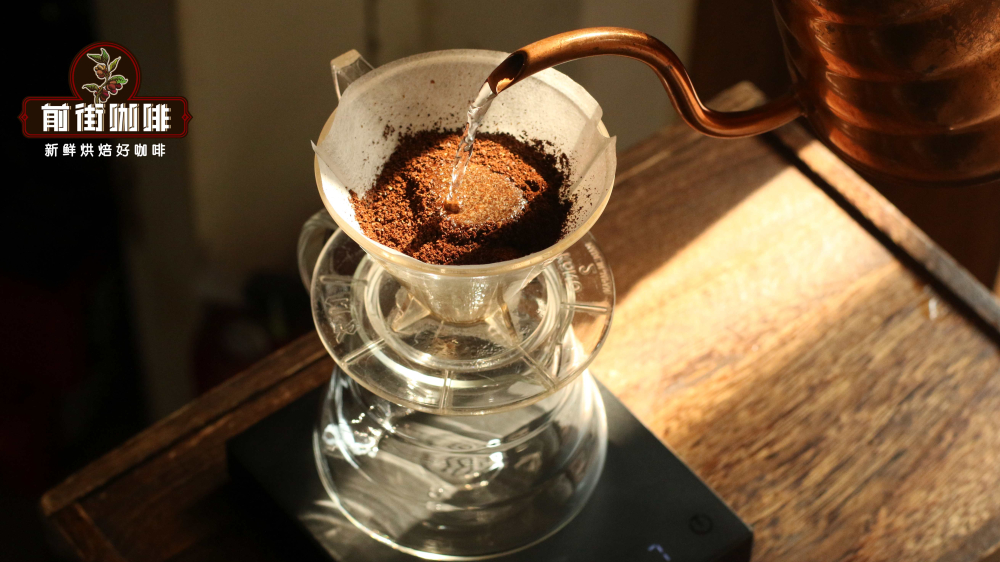
There are various pouring techniques for blooming, including pouring in circles from the center outward, from the outside inward, or using a single-point pour. Among these,pouring in a steady circle from the center outwardis more likely to create an even expansion and the desired “hamburger” effect. The size of the pour should also be noted — while a larger stream is more efficient, achieving a beautiful bloom requires higher skill; a smaller stream is more beginner-friendly, easier to control, and allows for better observation of the blooming state.
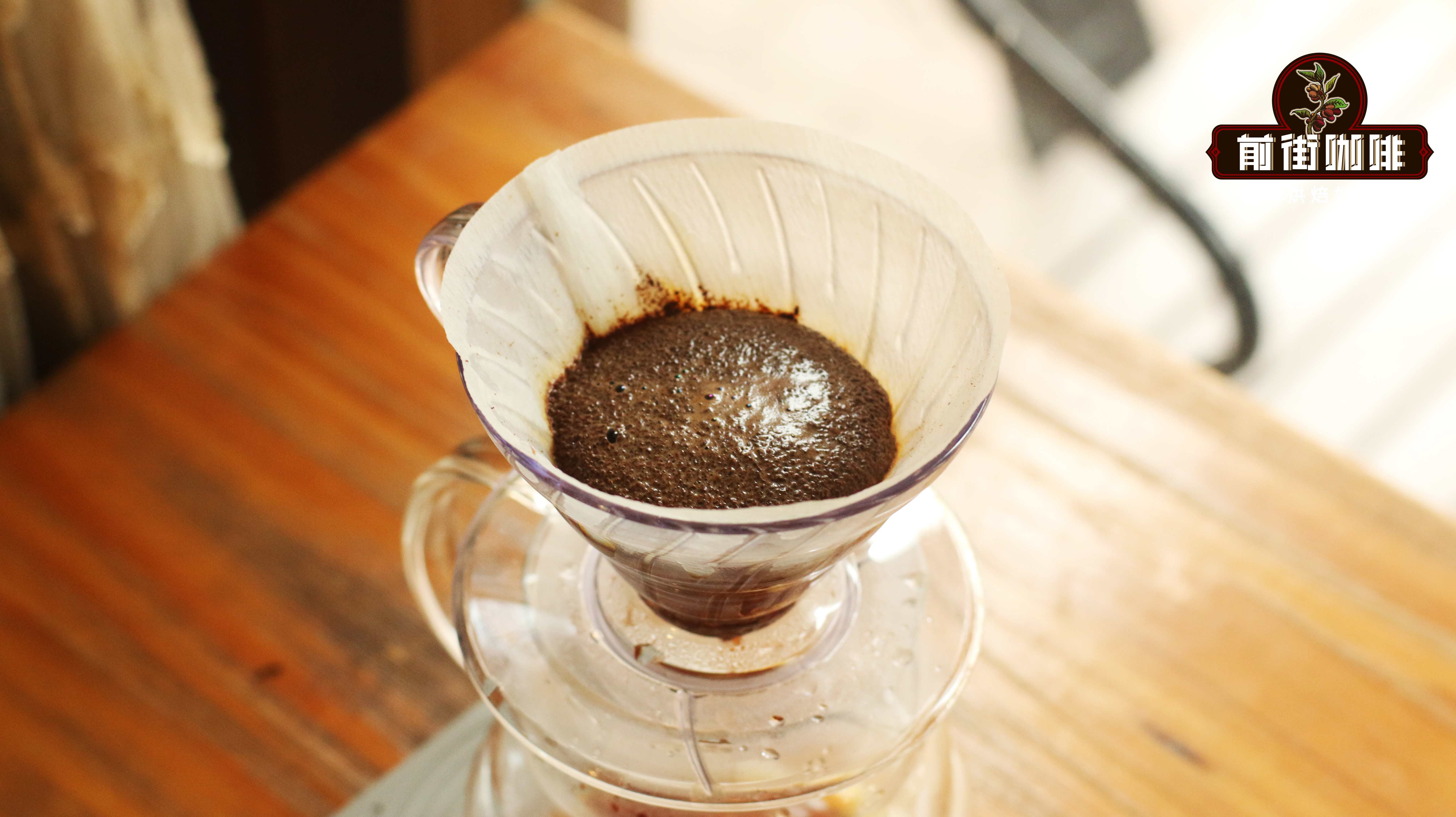
In practice, it is recommended to use a bloom water volume of twice the weight of the coffee grounds — for example, 30 grams of coffee grounds with 60 milliliters of hot water, blooming for about 30 seconds. This stage effectively pre-wets the coffee grounds, improving the consistency and flavor performance of subsequent extraction.
The following uses Yirgacheffe Red Cherry as an example to provide actual operation parameters:
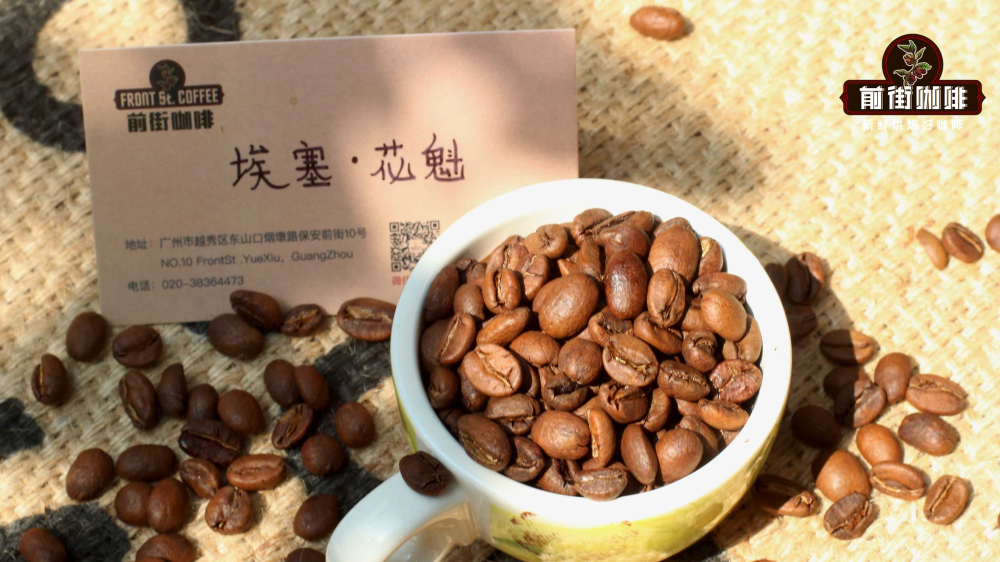
Coffee Bean Information:Region: Yirgacheffe, altitude: 2300 meters, variety: heirloom, processing method: natural, grade: G1, flavor profile: lemon, citrus, berries, caramel, and black tea aroma.
Brewing Parameters:V60 filter, brew ratio 1:15, water temperature 92°C, grind size: EK43s setting 10 (20# sieve passing rate 80%).
Bloom:Use 30 grams of water for a 30-second bloom.
Total Water Volume:225 grams (including bloom water).
Brewing Method Comparison:
• Single Pour (One Continuous Pour): Directly pour up to 225 grams after blooming, total time around 2 minutes, flavor profile is more straightforward, highlighting nutty and caramel notes.
• Three-Part Pour: Divided into two pours (first pour up to 125 grams after blooming, then top up to 225 grams), total time is also around 2 minutes, layers are more distinct, with juiciness and fermentation aromas.
In summary, the blooming stage of pour over coffee is not just a preheating step, but a crucial part that influences the overall extraction quality. By understanding variables such as roast level, freshness, grind size, water temperature, and pouring technique, you can make more targeted adjustments to the process. This not only makes the “hamburger” effect more pronounced but also enhances the flavor consistency and enjoyment of every pour over session.
The above content is compiled by CoffeeHunters, a coffee news website.


