







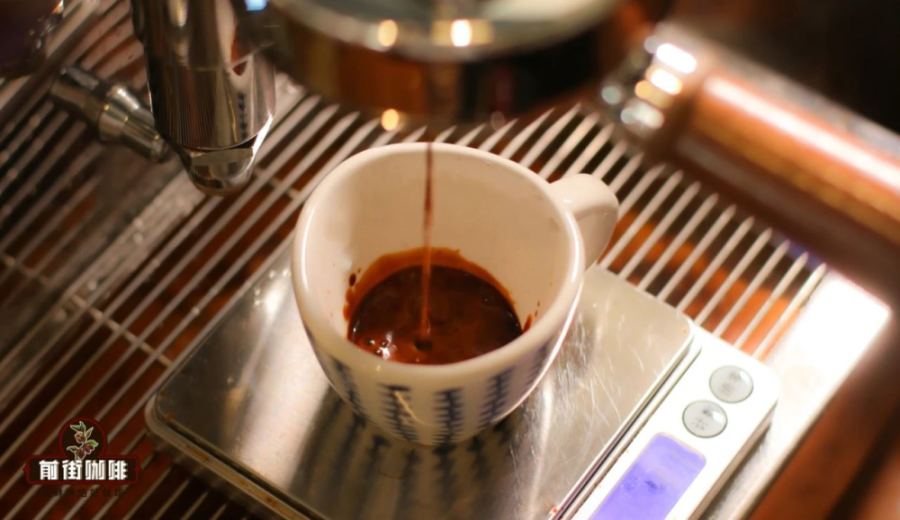
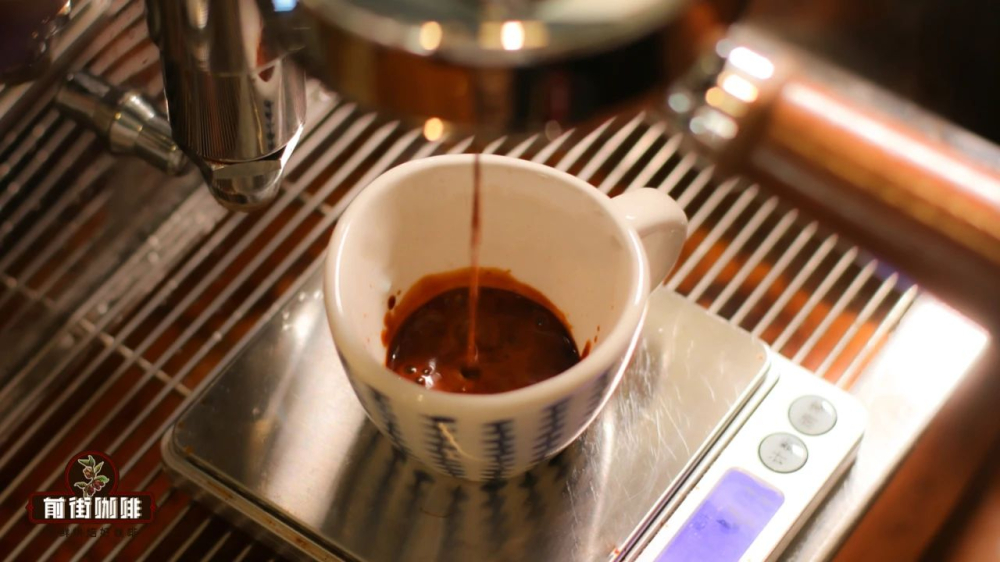
Introduction:To brew a well-balanced shot of espresso, in addition to selecting the right beans, mastering extraction time and coffee liquid volume is key. This article delves into how to observe the extraction status by monitoring flow rate, and provides practical adjustment tips—from grind size, dose distribution evenness, to tamping technique—guiding you step-by-step to master the skills for stable extraction. Whether you're a home barista or a beginner, you’ll be able to get the hang of it with ease.
Brewing an outstanding shot of espresso, from bean selection and grinding to dose distribution and tamping, every step directly affects the final extraction outcome and flavor profile. This article will focus on two core parameters: extraction time and coffee liquid volume. It teaches you how to determine whether the extraction is just right by observing the flow speed, and offers specific adjustment advice so you can consistently replicate a balanced and complex espresso at home.
The process of brewing espresso may seem simple, but each step harbors key elements that influence flavor. From the state of the beans post-roast, to the grind size, as well as the evenness of dose distribution and tamping, all impact the speed of water flow and the uniformity of extraction. Next, we’ll break down the precautions and practical techniques involved in each of these steps.
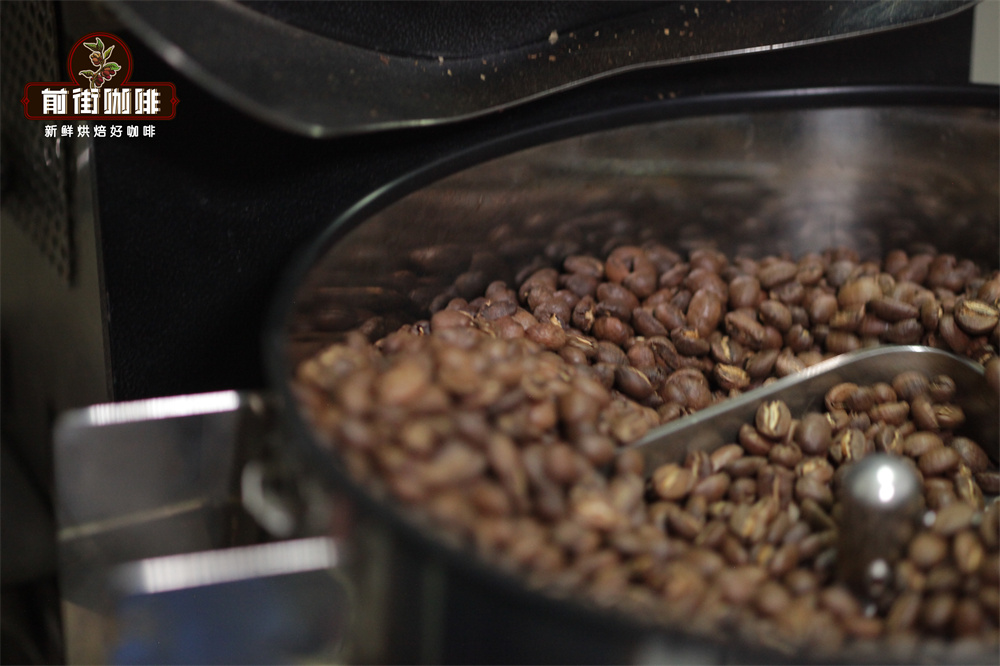
To extract an espresso with both flavor and aroma, using freshly roasted beans is absolutely essential. It’s recommended to use beans around 7 days post-roast for brewing. This period allows the beans to release excess CO₂, preventing gas interference with water flow and flavor release. After roasting, coffee beans continue to emit large amounts of carbon dioxide; without proper degassing, this gas can alter the water path, leading to uneven extraction or even over-extraction.
Generally speaking, the optimal tasting window for espresso beans is within 30 days after degassing, and it’s not recommended to use them beyond 45 days post-roast for best flavor. Additionally, because espresso is extracted under high pressure, it amplifies all flavor characteristics. Therefore, compared to the bright acidity of light roasts, medium to dark roasts tend to deliver a more balanced taste and are easier to brew successfully.
In terms of grinding, regardless of the roast level, the grind size should be controlled within an extremely fine range. But exactly how fine depends on actual extraction results and may require fine-tuning. A common reference standard is using 20 grams of coffee grounds to extract 40 grams of double espresso, with an extraction time between 23 to 30 seconds. If the espresso tastes burnt and bitter, it’s advisable to adjust the grind to a coarser setting; if it tastes overly sour or has an unsmooth mouthfeel, try a finer grind until you find the most balanced point.
Once the coffee grounds are placed into the portafilter basket, the dosing (distribution) step becomes crucial.The purpose of dosing is to ensure the coffee grounds are evenly distributed across all corners of the basket, avoiding areas that are either too thick or too thin.. To achieve better evenness, it’s recommended to use a distribution tool to assist in the process. This can effectively reduce human error and ensure consistent extraction conditions for every shot.
Many may think that once the coffee is distributed, you can start extracting—but in fact, tamping is equally indispensable. Although dosing helps even out the coffee layer, gaps still exist between coffee particles. Without proper compression, channeling can easily occur under high-pressure water flow, leading to over-extraction in some areas and under-extraction in others. When tamping, make sure the coffee surface is level without any high or low spots, otherwise water will naturally flow toward the lower areas, causing uneven extraction.
When it comes to extraction time and ratio, a common standard is a 1:2 coffee-to-water ratio—for example, using 18 grams of coffee grounds to extract 36 grams of espresso, with an extraction time of around 25 to 30 seconds. However, depending on different serving needs, adjustments can be made flexibly. For instance, some shops might use 20 grams of coffee to extract 36 grams of liquid to enhance the flavor intensity of Americanos or lattes.
So, how do you determine whether the flow rate is appropriate? Following a 1:2 coffee-to-water ratio, if the extraction time is less than 20 seconds, it usually means the flow is too fast—often indicating under-extraction. In this case, the flavor may turn out overly acidic, lacking aroma, and with a thin mouthfeel. To address this, you can try increasing the coffee dose by 0.3 to 0.5 grams, or fine-tuning the grind 1 to 2 notches finer to extend extraction time and improve flavor extraction.
Conversely, if the extraction time exceeds 35 seconds, it indicates the flow is too slow. If the coffee also tastes overly bitter and intense, it’s likely over-extracted. Solutions include reducing the coffee dose by 0.3 to 0.5 grams, or adjusting the grind 1 to 2 notches coarser to speed up water flow, thus preventing excessive release of flavor compounds and maintaining overall balance in taste.
The above content is compiled by CoffeeHunters, a coffee news website.


