







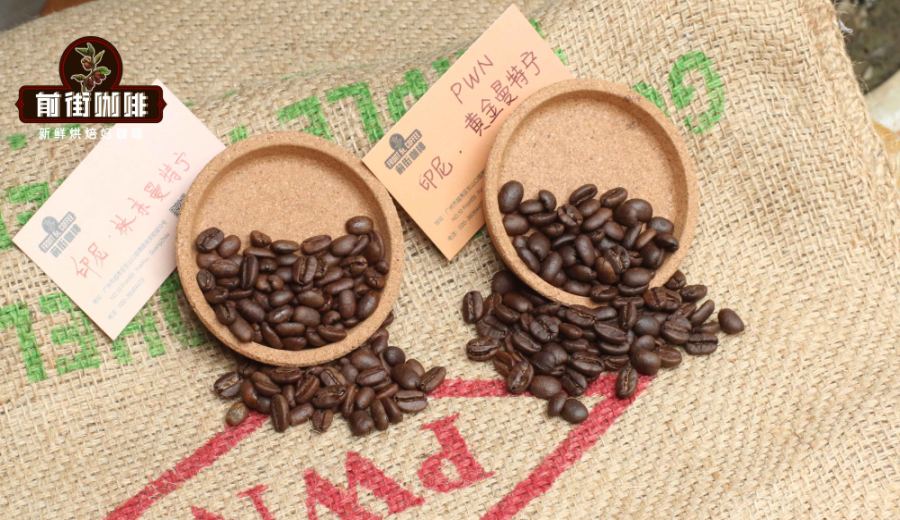
Introduction:Delve into the classic Mandheling coffee beans from Indonesia’s Sumatra Lintong region, exploring everything from the growing altitude and processing methods to the low-acid, full-bodied characteristics brought by the wet-hulling process. This article details the differences between Lintong Mandheling and PWN Golden Mandheling in terms of grade, selection criteria, and flavor profiles, while also explaining the origin of the so-called "goat hoof bean" appearance. It helps coffee enthusiasts master the brewing essentials and flavor traits of Mandheling, guiding you to find the beans that suit your taste.
When it comes to Indonesian coffee, Mandheling is undoubtedly one of the most representative varieties. Especially the Mandheling produced in Sumatra’s Lintong region, with its rich, full-bodied flavor and low acidity, has become a popular entry point for many coffee lovers. This article will provide a detailed introduction to the regional background of Lintong Mandheling, the wet-hulling processing method, and its unique flavor expression, while further comparing the advanced qualities of PWN Golden Mandheling—also from Sumatra—in terms of grade, selection, and taste.
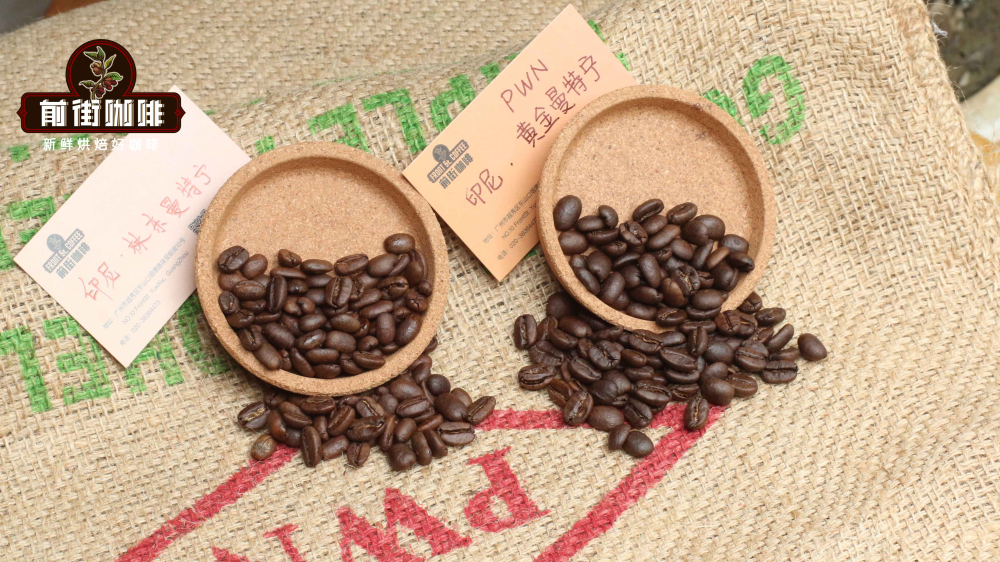
Lintong Mandheling is primarily grown in the mountainous regions of central and northern Sumatra at altitudes between 1100 and 1600 meters. This area, adjacent to the famous Lake Toba, enjoys a cool and humid climate, providing an ideal environment for coffee tree growth. The beans are commonly of the Typica and Catimor varieties, processed using traditionalwet-hullingmethods. This means that after fermentation and washing, the mucilage and parchment layers of the coffee fruit are removed before they are fully dried, accelerating the drying process. However, because the green beans are relatively soft in their semi-dry state, they are prone to being compressed during removal, leading to bean deformation and the formation of marks resembling goat hooves—commonly known as the “goat hoof bean” appearance. This phenomenon is normal and not considered a defect.
The flavor profile of Lintong Mandheling typically showcases strong notes ofroasted toast, nuts, caramel, pine, and subtle herbs. These characteristics are largely attributed to the wet-hulling process and the slow maturation at high altitudes. With low acidity and a pronounced body, it suits drinkers who prefer a fuller mouthfeel. Additionally, this bean is excellent for pour over brewing. It is recommended to use a medium-light to medium roast, paired with medium-coarse grind and water temperature of 90–93°C, to fully highlight its nutty and woody tones.
For those looking to experience a higher-quality Mandheling, consider PWN Golden Mandheling. These beans come from the Gayo Highlands in Aceh, Sumatra, also grown at altitudes between 1100 and 1600 meters, predominantly of the Ateng variety. However, through a more rigorous selection process, the overall flavor becomes cleaner and brighter. PWN Golden Mandheling belongs to theG1 top grade, requiring density and color sorting via machines, as well asthree rounds of manual hand-pickingto ensure each green bean meets high standards. It is reported that in a 300g sample, there must be no more than three defective beans, and the beans must be of at least eighteen mesh size, with regular flat bean shapes and a dark green hue. It is one of the few high-end Mandhelings on the market that undergoes strict quality control.
The flavor profile of PWN Golden Mandheling also differs from that of Lintong Mandheling, emphasizingspices, herbs, caramel, nuts, and chocolatenotes, with a more prominent sweetness. It has a clean and bright taste, with almost none of the earthy or impurity sensations sometimes found in typical Mandheling. This flavor enhancement is inseparable from its strict selection system and premium green bean sources. It is worth mentioning that the name “Golden Mandheling” has been registered as a trademark by PWN, so only products labeled PWN are genuine. Consumers should pay attention to whether the product packaging or shop information provides proper authorization proof when making a purchase.
In summary, Lintong Mandheling, with its classic full-bodied taste and affordable price, is highly suitable for those just beginning to explore Indonesian coffee; whereas PWN Golden Mandheling, with its strict grading and refined processing, offers a more elevated taste experience. Both utilize the wet-hulling process, which not only shapes the distinctive rich flavor of Mandheling but also directly influences its low acidity and bold body. If you are a pour over enthusiast, try adjusting the grind size and water temperature to find the brewing setup that best expresses the flavors of Mandheling, and further appreciate the unique charm of Sumatran coffee.
The above content is compiled by CoffeeHunters, a coffee news website.


