







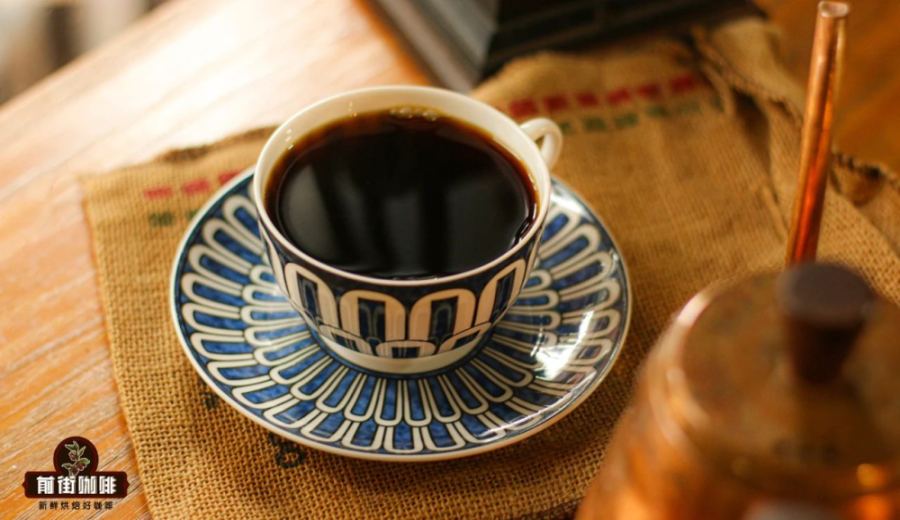
Introduction:Aged Mandheling is a unique coffee whose flavor transforms through prolonged aging, distinctly different from freshly roasted beans. This article delves into its storage conditions, roasting techniques, and pour over parameters, guiding you through how this Sumatran Typica, after 24 months of maturation, develops honey-like sweetness and herbal aromas. It also offers practical recommendations for medium-dark roasting and brewing with the KONO filter.
When it comes to Mandheling, many people envision a bold, full-bodied black coffee with earthy and herbal notes. However, 'Aged Mandheling' offers a completely different experience. These coffee beans aren’t simply left to spoil — rather, they undergo a meticulously controlled aging process where the original fruit acids gradually transform, significantly enhancing body and sweetness. Similar to Indian monsoon coffee, aged Mandheling must rest in a ventilated, cool environment for up to 24 months, being regularly turned to prevent mold and pests. The entire process is extremely time-consuming and labor-intensive.
After this period of maturation, the acidity of aged Mandheling notably decreases, giving way to a rounder mouthfeel and honey-like sweetness. Its flavor profile also diverges greatly from that of freshly roasted beans, often exhibiting complex layers of herbs, caramel, and even leather — a rare and rewarding experience for coffee enthusiasts who enjoy intense flavors.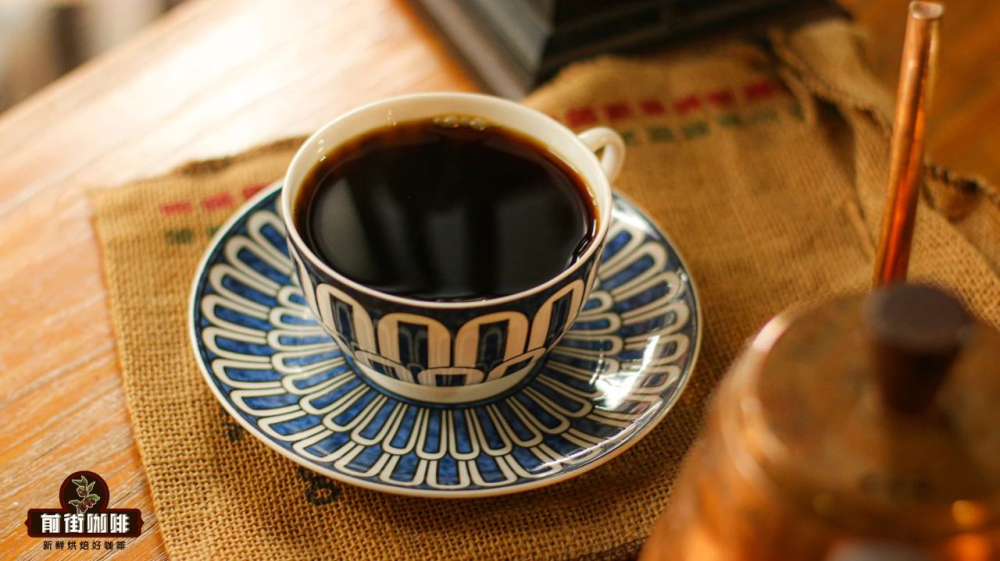
So, what exactly is the aging process? In short, it involves storing green beans under specific temperature, humidity, and ventilation conditions for an extended period. Through natural oxidation and moisture evaporation, the chemical composition of the beans slowly changes, resulting in altered flavor characteristics. This process is akin to aging wine, requiring strict environmental control and regular turning. Otherwise, the beans may become damp, moldy, or even infested. In Indonesia, this technique originally stemmed from the days when shipping was inconvenient. Coffee beans naturally aged during long sea voyages due to prolonged exposure to sea breeze and high temperatures, inadvertently developing unique flavors. Later, it evolved into a deliberately controlled processing method.
Many wonder whether aged beans are necessarily better than fresh ones. The answer actually depends on flavor preferences. Fresh beans typically showcase bright fruit acids and floral notes, suiting those who prefer a clean taste. Aged beans, on the other hand, lean toward richness, sweetness, and complexity, like a fine vintage refined by time. Importantly, aged beans are not merely beans that have been 'left sitting around' — they are the result of strictly managed aging processes in origin regions or professional storage facilities, following standardized procedures. Each batch is usually labeled with a clear production year to distinguish the characteristics of different aging stages.
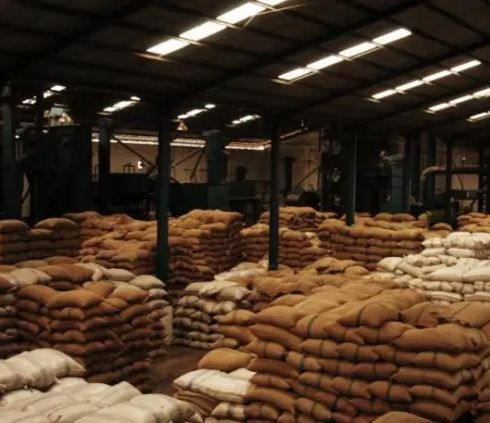
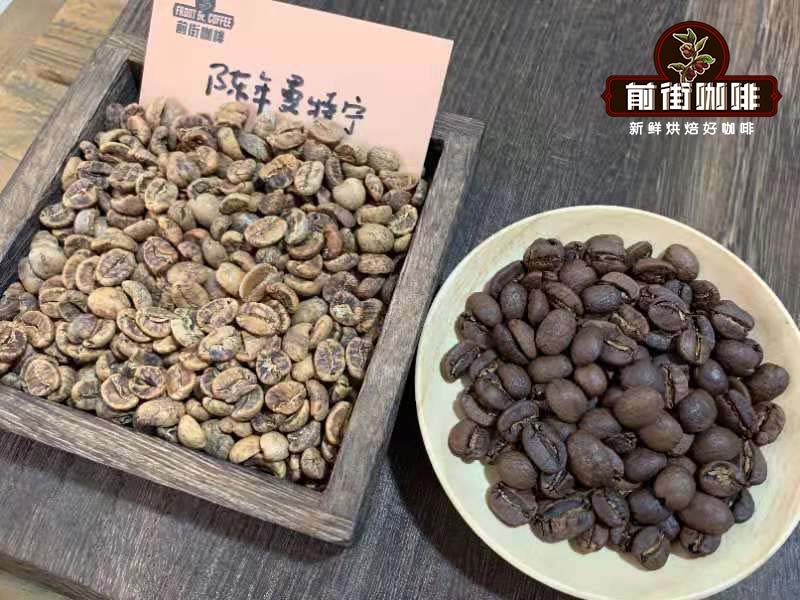
During the storage period, both the appearance and internal qualities of aged beans gradually change. Due to prolonged exposure to low oxygen and low humidity environments, the acidity of the beans decreases, their color darkens, moisture content significantly reduces, and the mouthfeel becomes thicker and more viscous. Sweetness is often accompanied by honey or caramel-like aromas. However, since storage environments are often dark and humid, some aged beans may still carry slight mustiness, jute bag, or leather notes. These are normal phenomena and, if properly managed during roasting and brewing, can even enhance the overall flavor profile.
Taking Sumatran Typica as an example, this classic origin coffee inherently possesses strong earthy and herbal tones. After 24 months of aging, its sharp acidity is greatly softened, replaced by a smoother mouthfeel and rich sweetness. For roasting, a medium-dark level is recommended to enhance its full-bodied base while avoiding over-roasting that could lead to oil carbonization. For instance, when using a Yangjia 800N roaster, the charge weight is about 550g, with the initial drum temperature set at 200°C and the air damper opened to 3. By precisely controlling the heat and air damper adjustments, the beans can achieve optimal conditions during key phases such as yellowing and first crack.
Regarding the roasting curve, each step — from the soaking phase after charging to the temperature and heat adjustments before first crack — influences the final flavor expression. When the drum temperature reaches 165°C, the heat should be reduced to 140°C to ensure complete dehydration. By 5 minutes and 35 seconds, once the bean surface turns yellow and grassy notes fade, the air damper can be gradually adjusted to 4. Upon entering the first crack stage, special attention should be paid to the cracking sounds. Timely reduce the heat to 80°C, fully open the air damper to 5, and drop the beans around 197.4°C to lock in the best sweetness and body.
As for brewing suggestions, using the KONO filter with water at 88°C can effectively extend the contact time between water and coffee grounds, improving extraction uniformity and enhancing the rich, full-bodied mouthfeel. Specifically, use a Hario small富士 grind size 4, with a coffee-to-water ratio of 1:14. Start with a 30-second bloom using 25g of water, then pour up to 238g total. Keep the total brew time around 2 minutes. These parameters effectively highlight the herbal and caramel notes of aged Mandheling, while avoiding over-extraction that could lead to bitterness.
In summary, Aged Mandheling is a coffee that demands patience and skill to reveal its charm. From green bean storage and roasting curves to brewing techniques, every step influences the final cup’s outcome. If you enjoy bold, sweet, and complex black coffees, do try this time-refined Sumatran Typica and explore a different dimension of Mandheling flavor.
The above content is compiled by CoffeeHunters, a coffee news website.


