








Introduction:To make a delicate cappuccino or latte at home with a balanced flavor of milk and coffee, the key lies in precisely controlling the texture of the milk foam and the quality of the espresso. This article provides a detailed guide on how to choose whole milk, properly operate the steam wand for frothing, and introduces the flavor profiles and recommended ratios of three distinctive Italian-style blended beans. From the two-stage technique of frothing milk to the parameters for extraction temperature, time, and grind size, this comprehensive practical guide helps you consistently achieve professional-level coffee results.
Want to create café-quality silky lattes or cappuccinos at home using an espresso machine? Mastering the frothing technique and the precision of espresso extraction is the key to success. This article will walk you through the complete process of milk handling and steam frothing in an easy-to-understand way, and analyze Italian-style blends with different flavor profiles, allowing you to adjust your blend according to your taste preferences and brew coffee that suits your personal liking.
First and foremost, the choice of milk is crucial. It is recommended to use whole milk, as it has higher fat and protein content, which not only highlights the aroma of the coffee but also helps create richer and more stable milk foam. It’s worth noting that the freshness of the milk directly affects the final taste; improper storage can lead to protein breakdown, causing the foam structure to become loose and the flavor to diminish. Any unused milk should be promptly returned to the refrigerator to avoid spoilage due to being left at room temperature for too long—even if no off-odors are present, the quality may have already declined.

Next comes the two main stages of milk frothing: the first is frothing, which is the process of creating tiny bubbles in the milk; the second is texturing, where the bubbles and milk are thoroughly mixed through spinning to form a smooth, silky texture. When operating, it is recommended to pour the milk into the pitcher, keeping the milk level about one-third to two-thirds below the steam tip to better control the depth of steam penetration.
Before starting, clean the steam wand to ensure there is no residual milk blocking it. Then bring the pitcher close to the steam wand, positioning the tip just below the surface of the milk but not in the center. Once you open the steam valve, you’ll hear a distinct hissing sound. At this stage, when fine bubbles begin to form on the surface, slowly lower the pitcher to control the milk temperature so it does not exceed body temperature—ideally around 60°C for optimal extraction. Do not exceed 70°C, as this will damage the protein structure and affect the stability of the foam.
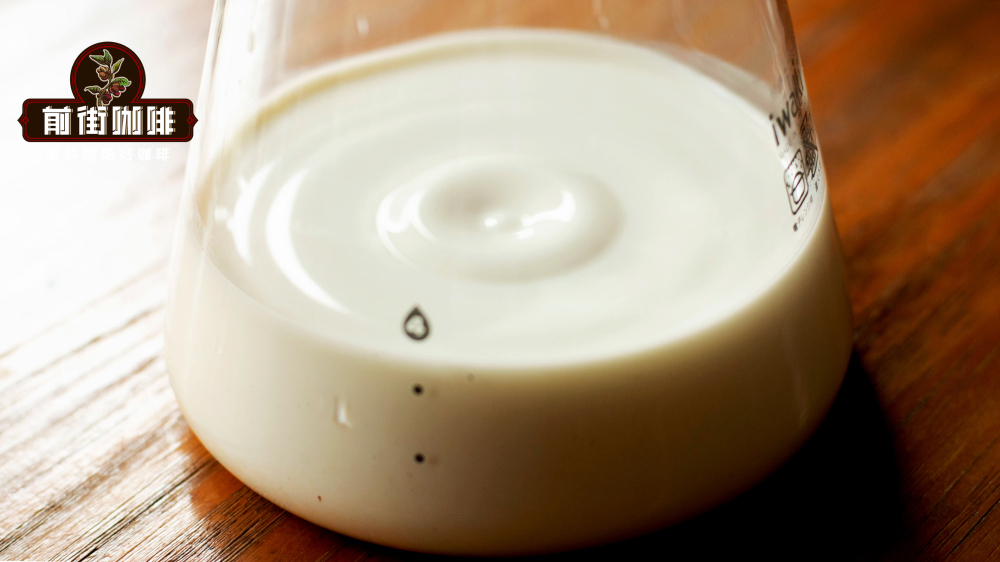
After frothing, move on to the texturing stage. At this point, lift the pitcher upward to submerge the steam wand deeper into the center of the milk, creating a whirlpool through spinning. When the outer wall of the pitcher feels noticeably hot—approximately 60–65°C (you should not be able to hold it for more than 3 seconds)—you can stop. Before turning off the steam, you can use the remaining steam to purge the wand and prevent milk residue buildup. Then gently tap the side of the pitcher to release any large bubbles, and swirl the pitcher to evenly blend the foam and milk. Your perfectly textured milk foam is now ready.

As for the espresso, choosing the right beans is even more critical to the overall flavor. Take the “Sunflower Warm Sun” blend as an example—it is composed of Honduran Sherry and Ethiopian Yirgacheffe Red Cherry beans in a 6:4 ratio. After repeated testing by professional roasters, it delivers bright fruit acidity, berry aromas, and a hint of wine-like notes, with a sweet aftertaste and rich layers. These beans are roasted in-house and are ideal for coffee lovers who enjoy a balance of fruity and wine-like flavors.
There is also a certain brand’s “Dark Cocoa” blend, made with Yunnan and Brazilian beans in a 3:7 ratio. Its flavor profile leans toward gentle fruit acidity, with pronounced caramel sweetness and a strong dark chocolate character. The mouthfeel is smooth, but the overall expression is more understated, making it suitable for those who prefer a mellow taste. In addition, the same brand’s “Premium Blend” combines Colombian and Brazilian beans in a 3:7 mix, showcasing mild acidity, clean sweetness, and nutty aftertastes, with medium body and an overall balanced flavor that is not overly intense—perfect for everyday drinking.

In terms of extraction, take the “Sunflower Warm Sun” as an example. It is recommended to use a Galileo Q18 grinder, set to approximately 1.6 grind size, with 20 grams of coffee (for a double shot), extraction time controlled between 20 to 30 seconds, and an extraction yield of about 40 milliliters. The water temperature should be between 90.5°C and 96°C, with a pressure of 9 bar. These parameters help extract an espresso that is well-balanced in flavor and rich in body. During extraction, if the flow rate is unstable, it may be due to the grind being too fine or the tamp being too heavy, leading to over-extraction and a noticeable bitter taste. Conversely, if the flow rate is too fast, the grind may be too coarse or the tamp insufficient, resulting in under-extraction, with a thin, watery flavor.
A successful espresso should exhibit a uniform flow rate and color, with a smooth mouthfeel and moderate body, featuring clear fruit acidity, berry aromas, and subtle whiskey-like notes. The finish should conclude with rich chocolate tones and a clear, lingering sweetness. By mastering the techniques and parameters outlined above, you can replicate a nearly professional café-level Italian coffee experience at home.
The above content is compiled by CoffeeHunters, a coffee news website.


