








Introduction:Gain an in-depth understanding of the major coffee-growing regions in Latin America—from Brazil and Colombia to Panama and Guatemala. Explore the unique flavor profiles, common processing methods, and roast characteristics of each area, along with expert pour over parameters and practical advice to help you master the essence of Central and South American coffees.
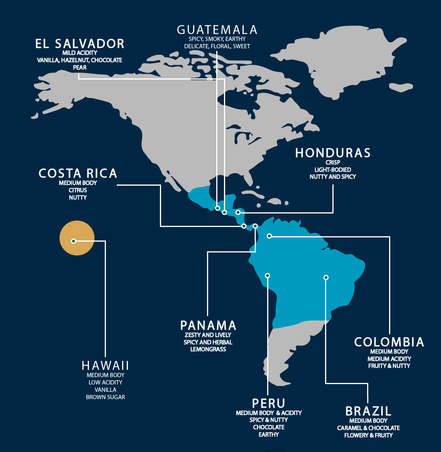
Among the world’s many coffee-growing regions, Latin America stands out for its balanced flavor and rich aromas of cocoa and dark chocolate, earning widespread acclaim among coffee enthusiasts. This article provides a detailed introduction to the coffee-growing histories, geographical backgrounds, processing methods, and typical flavor characteristics of key regions including Brazil, Colombia, Panama, Costa Rica, Honduras, Jamaica, and Guatemala. Combined with practical pour over parameters, it helps you build a comprehensive understanding of Central and South American coffees.
The global coffee production belt can be roughly divided into three major regions: Latin America (Central and South America), Asia-Pacific, and Africa. Each of these areas has its own distinctive traits, and a simple mnemonic is often used to remember them: African coffees are known for their bright acidity, Latin American coffees showcase rich cocoa and nutty notes, while Asia-Pacific coffees often feature strong herbal and earthy aromas. In this article, we focus on Latin America, delving into the diverse landscape of this coffee kingdom.
Latin America generally refers to the Americas south of the United States, including Mexico (geographically part of North America), Central America, the Caribbean islands, and South America. The region enjoys a generally warm and humid climate, with low-altitude areas often feeling hot and humid, while higher-altitude zones are relatively cool and dry—providing ideal growing conditions for high-quality coffee.
The history of coffee cultivation in Latin America dates back to the 18th century and is closely tied to the Spanish colonial period. With the exception of Brazil, which was under Portuguese rule and primarily speaks Portuguese, most other Latin American countries communicate in Spanish. The colonial era facilitated large-scale coffee planting, but early yields were generally of modest quality. It wasn’t until the rise of the specialty coffee concept that producing countries gradually shifted toward quality-oriented cultivation and processing. Currently, Latin American coffee is mainly exported to the United States, followed by European and Asian markets.
The most notable characteristics of Latin American coffee are its balance and full-bodied mouthfeel. Common flavor elements include cocoa, dark chocolate, nuts, and caramel, with washed processing being predominant—though Brazil more commonly employs pulped natural or natural methods. These traits make Latin American coffees a top choice for many coffee beginners and everyday drinkers.
1. Brazil: The Balance of Nuts and Dark Chocolate
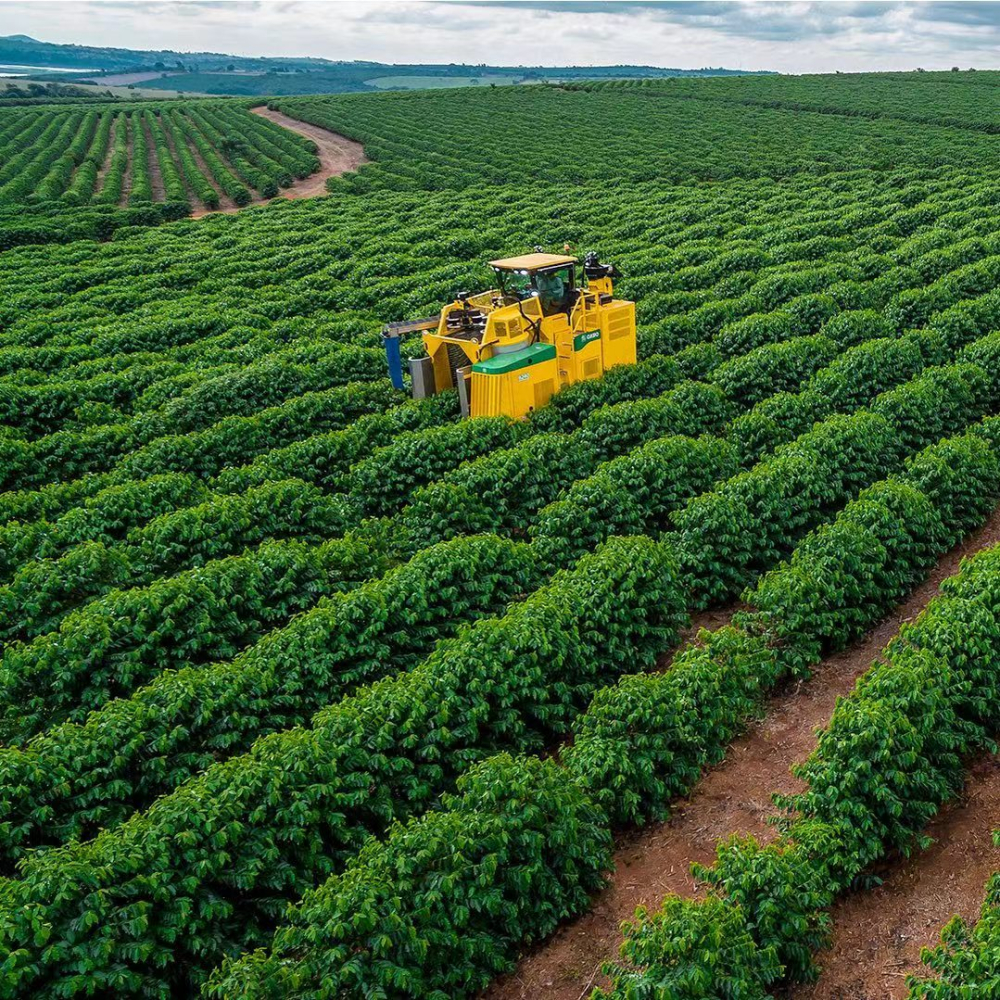
As the world’s largest coffee producer, Brazil is also the second-largest coffee-consuming market, following only the United States. Despite frequent natural disasters, its vast suitable planting area still supports stable production. Compared to other regions, Brazilian coffee is generally grown at lower altitudes. In the past, due to a lack of shaded cultivation and refined processing, it was often considered to have mediocre flavors—even giving rise to the saying “Brazil has no good beans.”
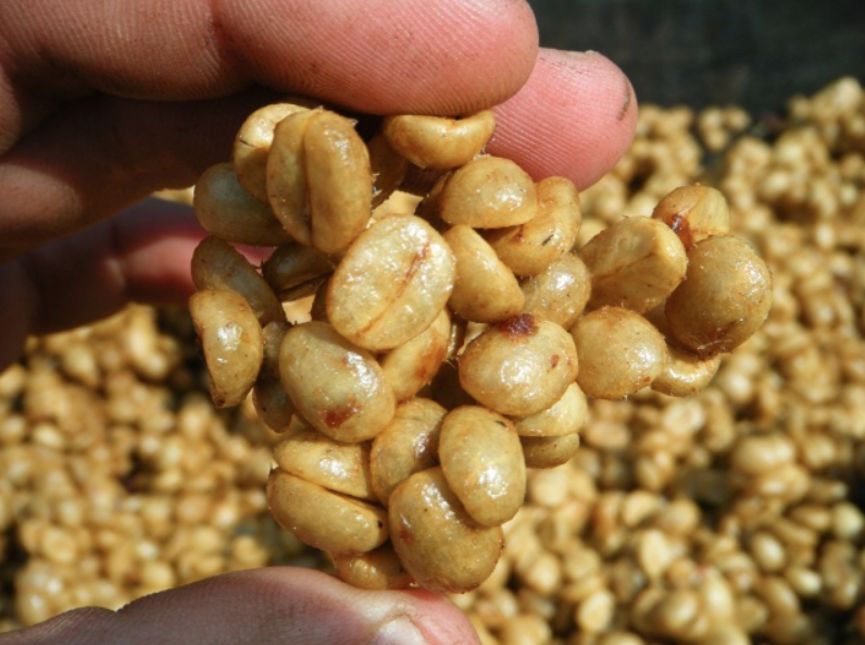
However, in recent years Brazil has committed to variety improvement and innovative processing techniques, adjusting methods such as natural, pulped natural, and washed processes according to varying humidity and climate conditions, showcasing diverse regional characteristics. Its grading system is primarily based on bean size, defect rate, cupping quality, and overall flavor—not solely emphasizing altitude.
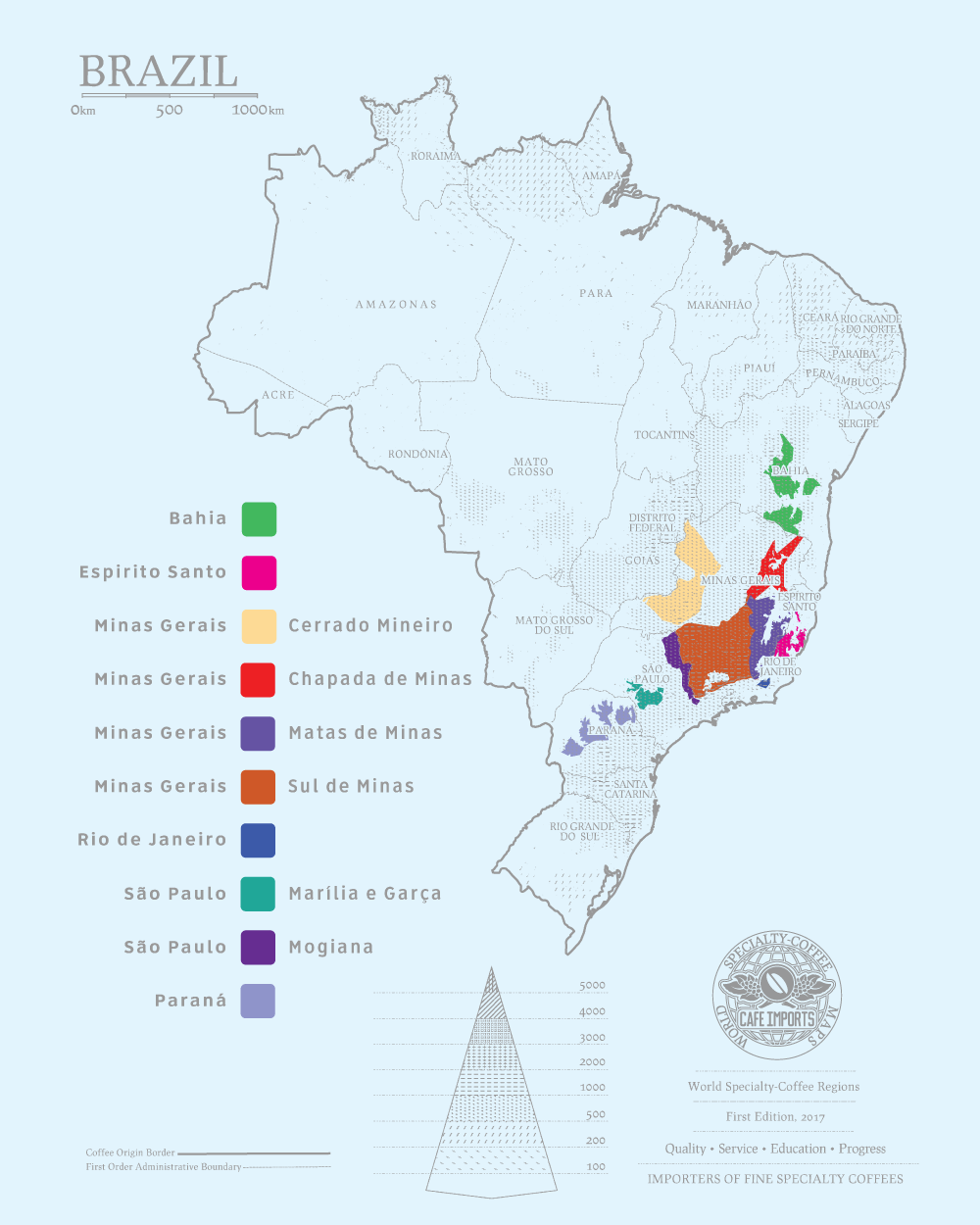
Major producing regions such as Minas Gerais, São Paulo, and Espírito Santo collectively account for over 90% of the country’s exports. Among them, the Cerrado and Sul de Minas regions in Minas Gerais are high-altitude areas that often produce premium competition-grade coffees.
Recommended try: Queen Estate Yellow Bourbon, from Mogiana, São Paulo, grown at 1400–1950 meters altitude, using natural processing. Suggested pour over parameters: Kono dripper, 88°C water temperature, 1:15 coffee-to-water ratio, 70–75% extraction through a #20 sieve. Use a pulse pouring technique with a total extraction time of about 2 minutes. Flavor notes: pronounced sweetness, with lemon, nut, and dark chocolate undertones.
2. Colombia: Balanced and Full-Bodied with Bright Acidity
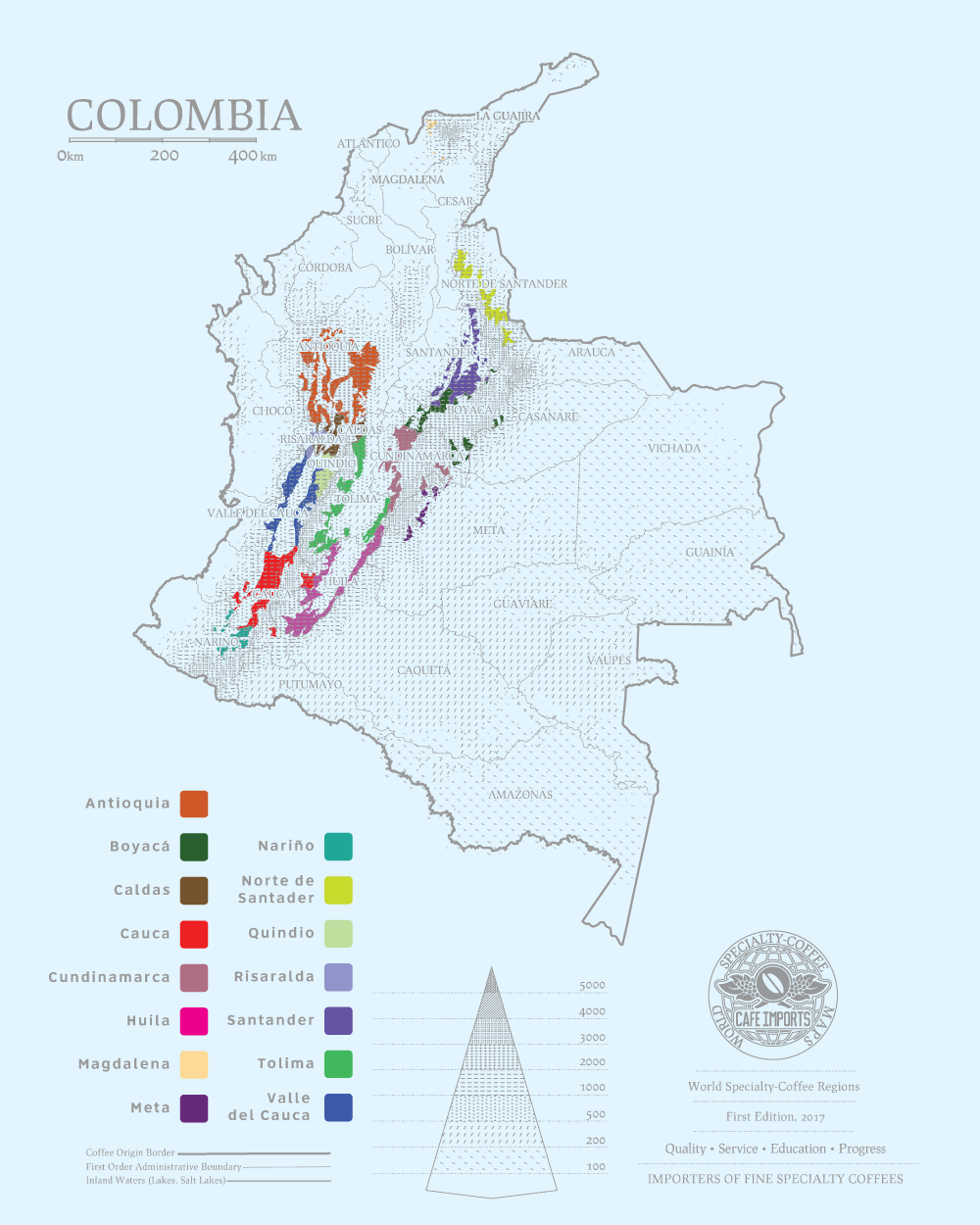
Colombia is the world’s third-largest coffee producer, located in the Andes Mountains, where climate varies significantly by terrain, divided into northern, central, southern, and eastern regions. Colombian coffee offers balanced flavors, bright acidity, and soft fruity notes with nuttiness, representing the “standard Central and South American flavor” for many coffee drinkers.
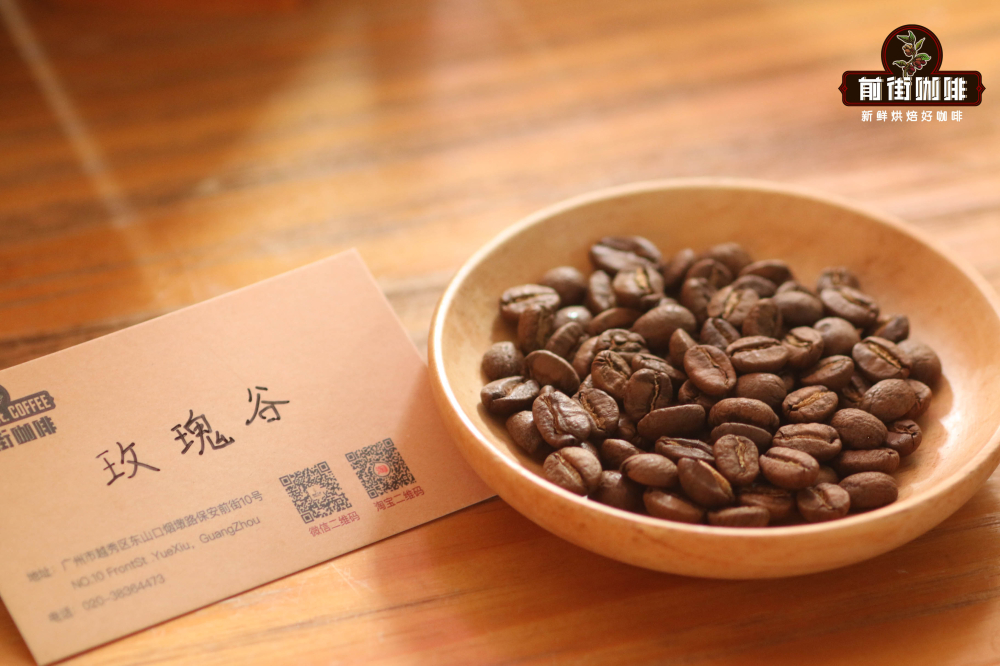
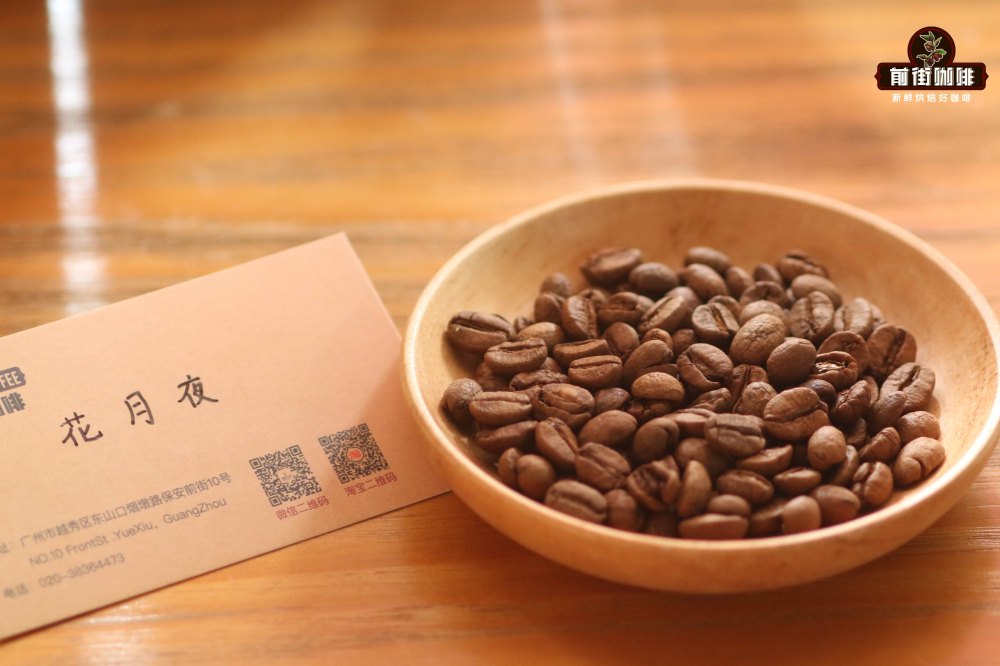
Processing is mainly traditional washed, with many smallholders owning their own wet mills, allowing effective quality control. Colombian beans often show silver skin remnants, distinguishing them from the cleaner appearance of Brazilian beans. In recent years, innovative methods like anaerobic fermentation have emerged, such as special lots like Rosa Valley and Flower Moon Night.
Key regions such as Huila, Cauca Valley, and Tolima are renowned for high-quality specialty coffee. Among them, Huila coffees often exhibit floral notes and dark chocolate undertones, appealing to those who enjoy layered profiles.
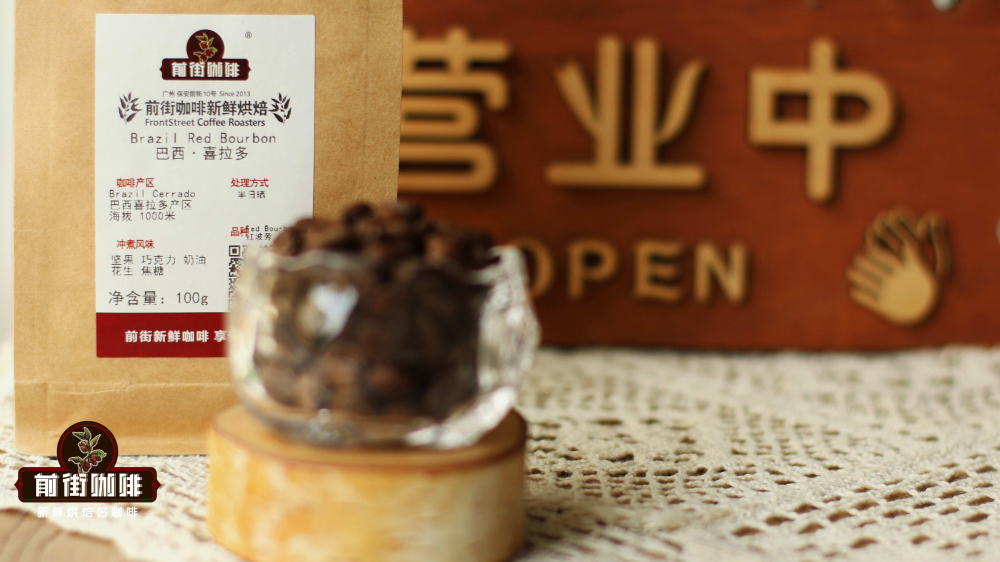
Recommended taste: Flower Moon Night coffee beans, from El Socorro Estate in Huila, grown at 1800 meters, variety Caturra, processed using anaerobic natural. Suggested pour over: Hario V60 dripper, 90°C water temperature, 1:15 coffee-to-water ratio, 80% extraction through a #20 sieve, using pulse pouring. Flavor profile: floral, strawberry notes, and intense dark cocoa finish, with a creamy aftertaste.

3. Panama: Home of Geisha, Excelling in Acidity and Floral Notes
Panama is world-renowned for its Geisha variety, thanks to its exceptional volcanic soil, high-altitude environment, and meticulous farming practices. Panamanian coffees often feature highly distinctive floral notes, bright acidity, and rich complexity, making them highly sought-after by specialty coffee enthusiasts globally.
Processing methods mainly include washed and natural, showcasing different facets of the Geisha profile. Additionally, estates like Hartmann have developed wine-like processing methods, controlling temperature, humidity, and pH to impart unique fermented aromas and full-bodied textures.
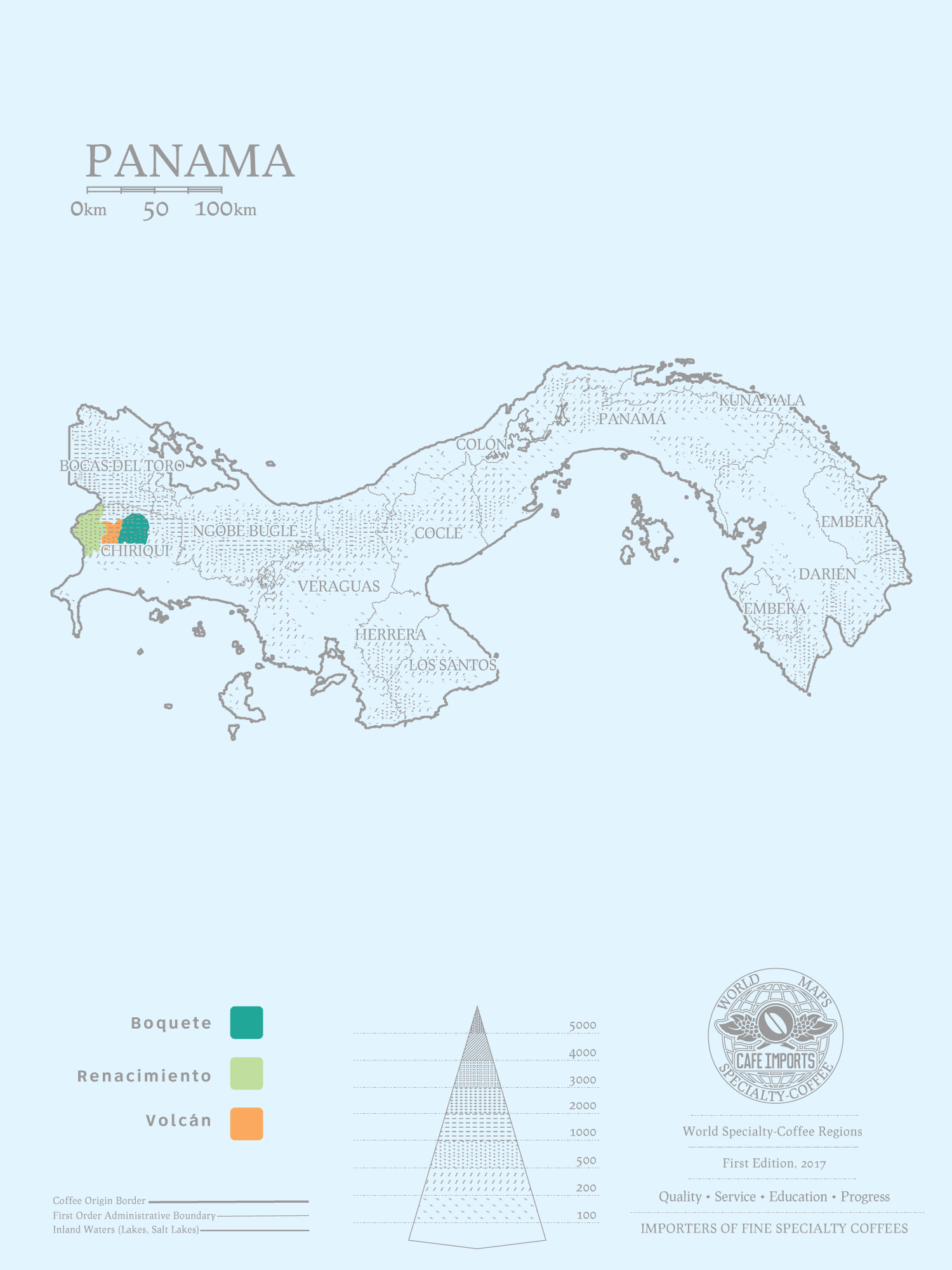
Notable regions include Boquete, Volcán, and Candelaria, with Boquete being the highest in altitude and excelling in both yield and quality—it’s the core area of Panama’s specialty coffee.
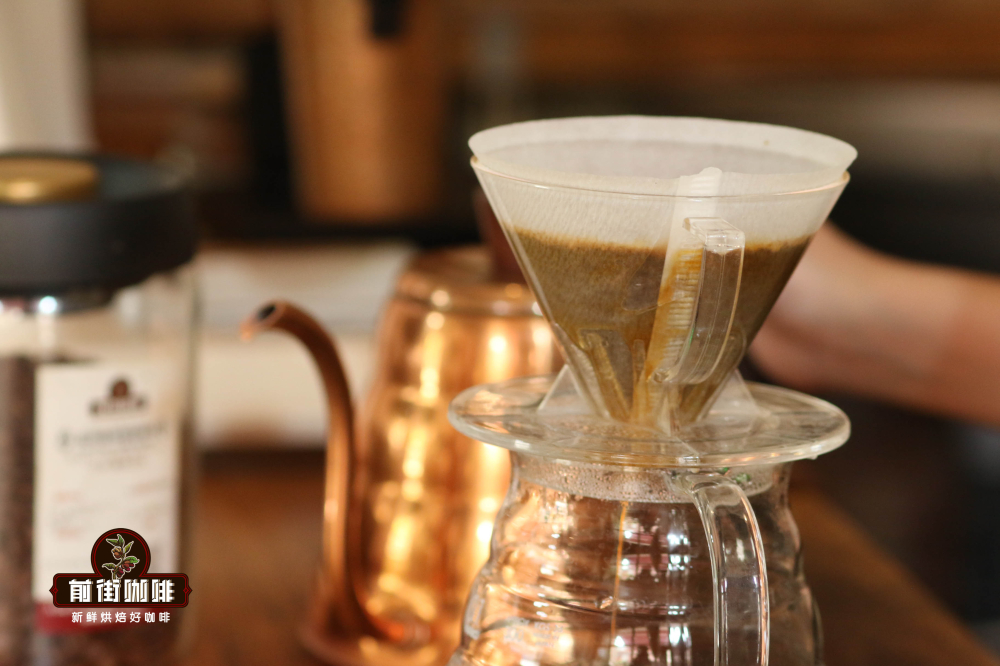
Recommended try: Hartmann Estate’s Catuai, from Volcán region, grown at 1250–1700 meters, processed using wine-like method. Pour over suggestion: Hario V60 dripper, 90°C water temperature, 1:15 coffee-to-water ratio, 80% extraction through a #20 sieve, total extraction time around 2 minutes. Flavor: layered profile, prominent wine-like character, with tropical fruits, nuts, and honey notes, finishing with a creamy touch.
4. Costa Rica: Birthplace of Honey Process, Balancing Sweetness and Body
Costa Rica is one of the earliest Central American countries to cultivate coffee, beginning exports to Europe in 1820 and earning the title “Golden Bean” for its high quality. The government has long supported the coffee industry and legislated that only Arabica may be grown, contributing to its outstanding reputation in specialty coffee.
Costa Rican coffee mainly uses washed and honey processing, with the latter being its signature technique—retaining varying levels of mucilage to create unique sweetness and fruitiness. Based on mucilage retention, it’s further categorized into white honey, yellow honey, red honey, and black honey, with flavor intensity increasing accordingly.
Key regions such as Tarrazú, Central Valley, and Tres Ríos are known for high altitudes and favorable microclimates, often yielding coffees with toffee, nut, and caramel aromas.
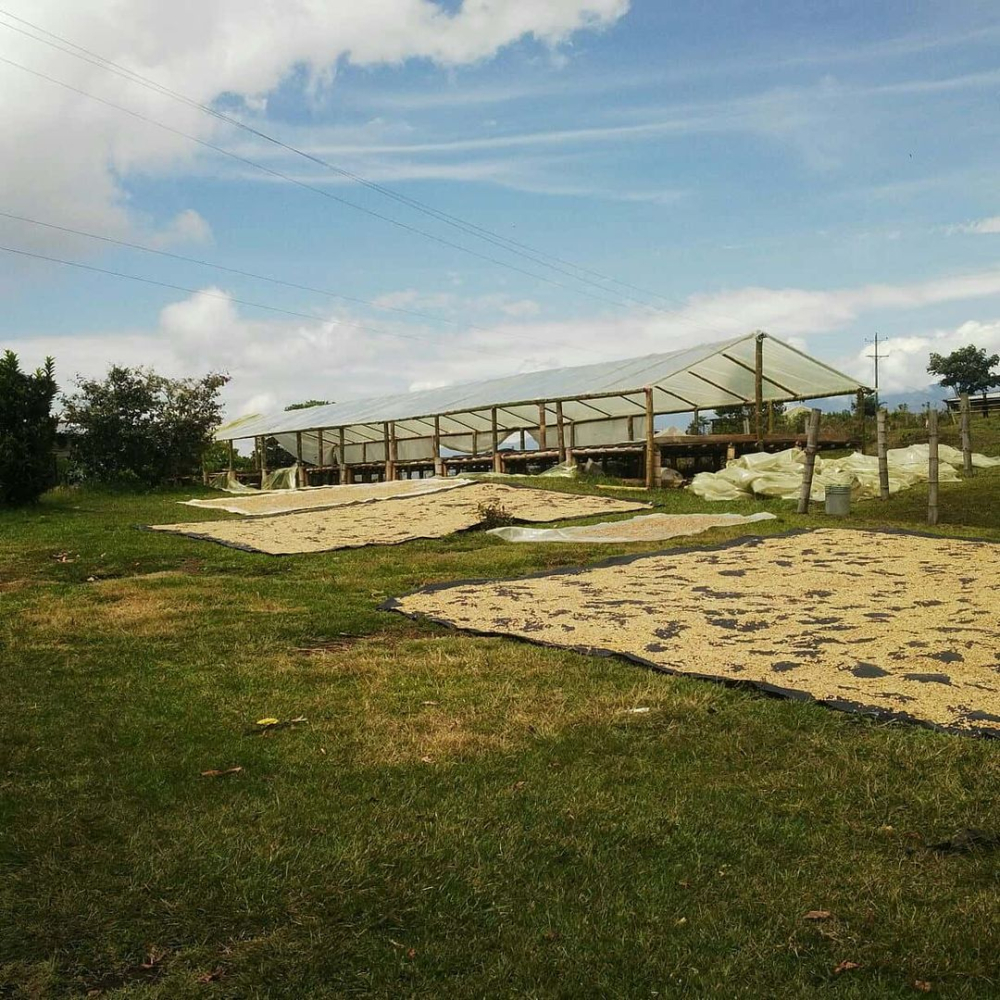
Recommended taste: Canet Estate’s Raisin Honey processed coffee, from Tarrazú, grown at 1950 meters, variety Caturra. Pour over suggestion: Hario V60 dripper, 90°C water temperature, 1:15 coffee-to-water ratio, 80% extraction through a #20 sieve, using pulse pouring. Flavor: rice wine fermentation notes, berry acidity and sweetness, nuts, and caramel finish, with floral undertones.
5. Honduras: Innovative Flavors with Sherry Barrel Fermentation
Honduran coffee has gained international recognition in recent years, especially through collaboration with Japan’s specialty coffee scene, gradually showcasing its high potential. The country is dominated by small farms, with production areas mainly concentrated in the west and south, exporting mostly to European markets.
Processing is mainly washed, but innovative techniques like sherry barrel fermentation have been developed, imparting rich vanilla, cream, and dark chocolate aromas, along with distinct layering.
Major regions such as Montecillos, Copán, and Agalta each present unique flavor profiles, with sherry barrel fermented coffees often coming from the Marcala area.
Recommended taste: Mocha Estate’s Sherry Coffee, from Marcala, grown at 1500–1700 meters, varieties include Caturra, Catuai, and Pacas, processed using whiskey sherry barrel fermentation. Pour over suggestion: Hario V60 dripper, 90°C water temperature, 1:15 coffee-to-water ratio, 80% extraction through a #20 sieve, total extraction time about 2 minutes. Flavor: interwoven vanilla, cream, citrus, and berries, with a maple syrup and vanilla finish, offering clear layers.
6. Jamaica Blue Mountain: The Classic of Balanced Sweetness, Acidity, and Bitterness
Jamaica Blue Mountain coffee is famed for its exceptional growing environment and rigorous farming management. It comes from the Blue Mountains at latitudes near 25°N and altitudes below 1700 meters. The region enjoys a cool, rainy climate with significant day-night temperature variation and fertile volcanic soil, resulting in Blue Mountain coffee’s rich, balanced flavor with harmonious sweetness, acidity, and bitterness.
Blue Mountain coffee is mainly divided into Blue Mountain No.1 to No.3 and PB (peaberry), with No.1 being the highest quality and having an extremely low defect rate. Processing is primarily washed, with a few experimental natural batches appearing in recent years.
Recommended taste: Clifton Mount Estate’s Blue Mountain coffee, grown at 1310 meters, variety Typica, processed using washed method. Pour over suggestion: Kono dripper, 88°C water temperature, 1:15 coffee-to-water ratio, 70–75% extraction through a #20 sieve, total extraction time about 2 minutes. Flavor: clean and mild, with dark chocolate, nut, and cream aromas, balanced in sweetness, acidity, and bitterness.
7. Guatemala: Fruity Notes and Layers from Volcanic Soil
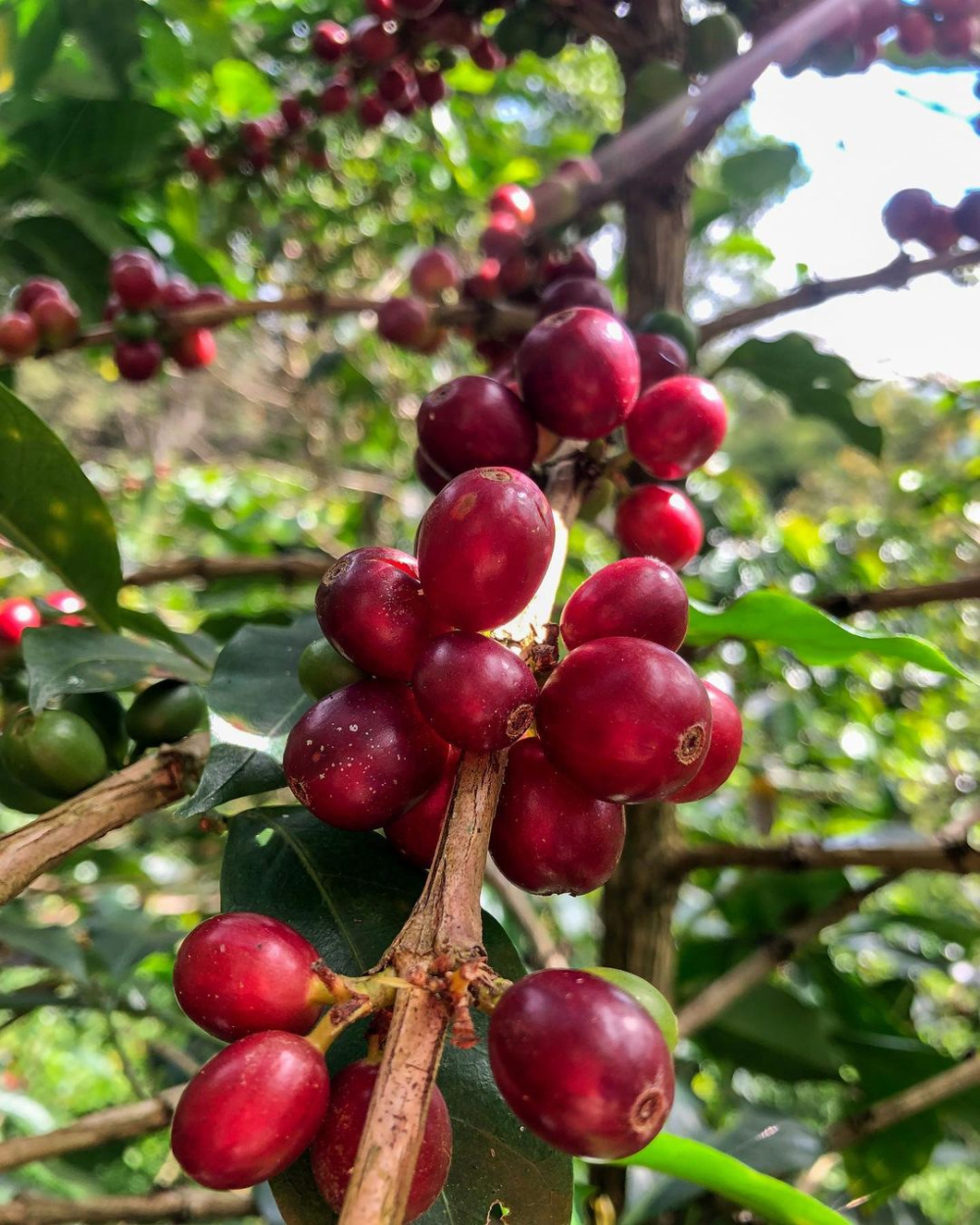
Though small in land area, Guatemala boasts rich microclimates and diverse volcanic soils, contributing to the diversity of its coffee flavors. Most Guatemalan coffee is grown above 1500 meters, with varieties including Bourbon, Typica, Caturra, and Catuai, often featuring intense fruity notes and a clear balance of sweet and acidic profiles.
Processing is mainly washed, supplemented by natural, with the former enhancing fruitiness and the latter adding layers and body. Key regions such as Antigua, Acatenango Valley, and Huehuetenango Highlands each have unique characteristics, with Antigua being renowned for its volcanic soil and excellent day-night temperature differences, making it an important origin for specialty coffee.
The above content is compiled by CoffeeHunters, a coffee news website.


