







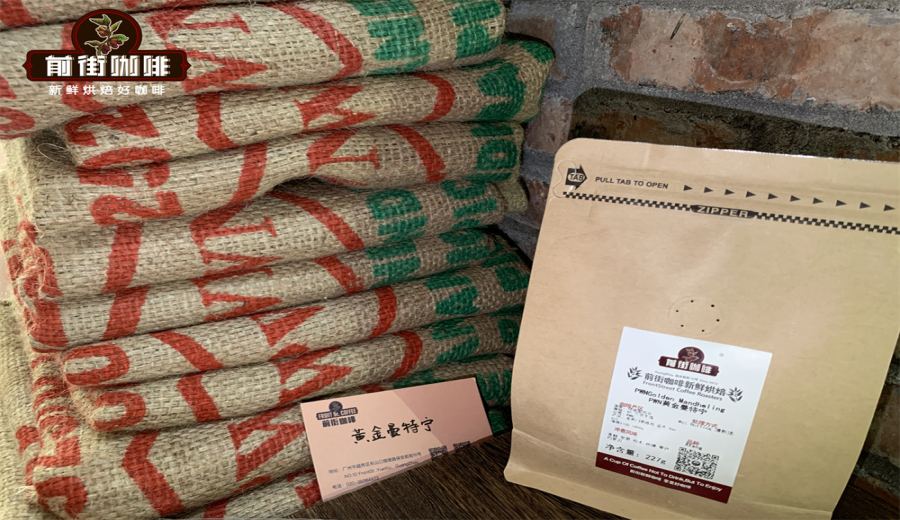
Introduction:Golden Mandheling is one of the most iconic dark-roasted coffees from Sumatra, Indonesia, beloved by pour over enthusiasts for its unique spicy and woody flavor profile. This article delves into the PWN-produced Golden Mandheling, which is made from the Ateng variety (also known as Catimor), and explores how the wet hulling process imparts its intense regional character. From variety evolution and processing principles to professional pour over parameters and steps, it provides a complete brewing guide for both beginners and advanced enthusiasts.
The Golden Mandheling launched by Indonesia’s PWN company is widely regarded as a classic among dark roast coffee lovers. This coffee is not made from the traditional Typica variety, but rather from the local Ateng variety, which is actually Catimor. To understand the unique flavors of Golden Mandheling, we must start with the history of coffee cultivation and variety development in Indonesia.
Coffee cultivation in Indonesia dates back to the late 17th century, when the Dutch introduced the Typica variety to Java, initially planting it in the Bergendal and Sidikalang regions. The coffee was known for its delicate flavor and was highly praised. However, the leaf rust epidemic of 1869 nearly destroyed the local Typica plantations, prompting Indonesia to turn to more disease-resistant varieties. While Robusta became the mainstream, to maintain Arabica characteristics in highland areas like Sumatra, the disease-resistant and high-yield Catimor (known locally as Ateng) gradually replaced Typica, becoming the dominant variety and accounting for over 70% of Sumatra’s coffee production.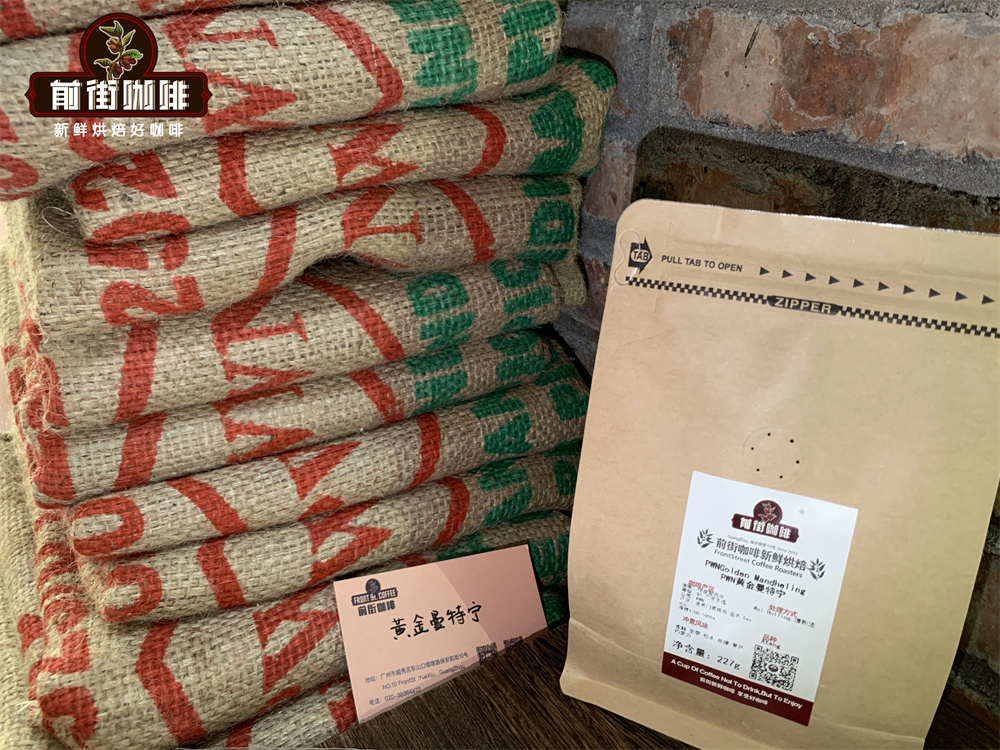
The wet hulling process (Giling Basah) used in Sumatra is a key technique that shapes the flavor profile of Golden Mandheling. This method originated from the challenge of traditional washed processing leading to mold in the high-humidity environment. In this process, the coffee fruit is first depulped, fermented for about three hours, and then washed to remove the mucilage. The parchment-covered beans are then briefly dried to a moisture content of 20–24%. At this point, the beans are still semi-soft, and a hulling machine is used to remove the parchment layer before continuing to dry them to the target moisture content of 13%.
The uniqueness of the wet hulling process lies in the early removal of the parchment layer, exposing the beans to friction and high temperatures while they are still at a higher moisture content. This often leads to the formation of small defects at both ends of the beans (commonly referred to as "elephant ears"), and accelerates the dehydration process. This method significantly shortens fermentation time, reduces acidity, and enhances body along with “regional characteristics” such as herbal and spicy notes. The micro-tears caused by friction also make the beans more prone to absorbing surrounding moisture, resulting in the earthy, herbal, and cedarwood notes unique to Sumatra. After roasting, these beans exhibit rich aromas of dark chocolate, nuts, and caramel.
The birth of Golden Mandheling is closely tied to World War II history. In 1942, Japan occupied Sumatra, Indonesia, and the local wet-hulled Mandheling coffee captivated Japanese soldiers with its bold flavor. Legend has it that a Japanese soldier misheard “Mandailing” (the local name) as “Mandheling.” After the war, he commissioned Indonesian traders to purchase large quantities, leading to the establishment of PWN.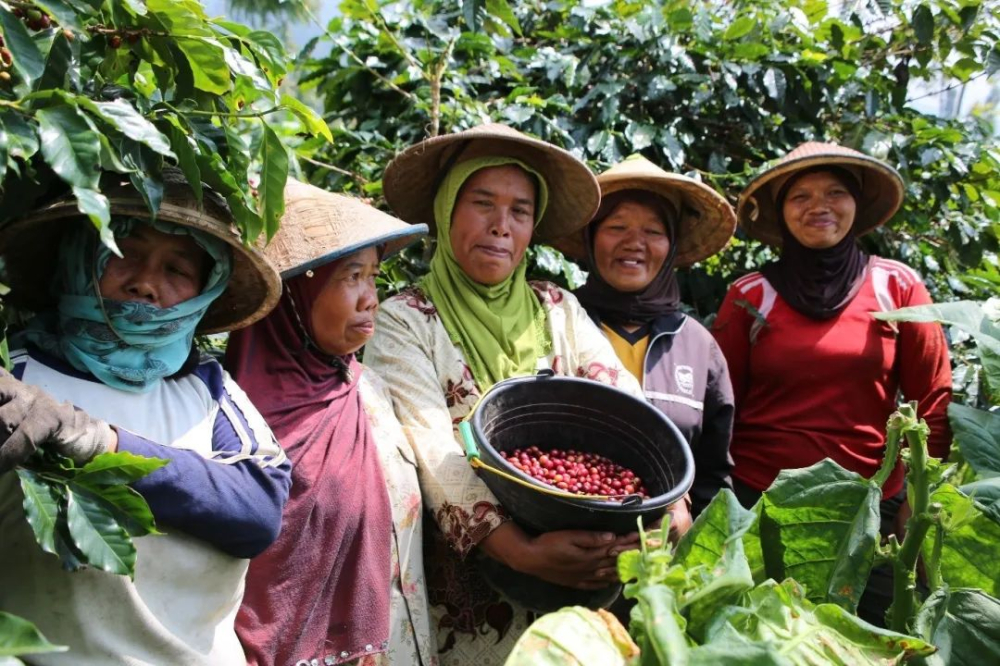
PWN (Pwani Coffee Company) is one of the few suppliers in Indonesia focused on premium Mandheling coffee. Its Golden Mandheling is renowned for its strict selection process. The green beans undergo one machine sort and four rounds of manual hand sorting to remove defective beans, ensuring large, uniform bean size, bright color, and reduced impurities or grassy notes. Authentic Golden Mandheling is produced exclusively by PWN, with the PWN logo printed on the outer bag and accompanied by an origin certificate—key indicators for authenticity when purchasing.
For brewing Golden Mandheling, the KONO filter cone is recommended. Its unique short rib design extends the contact time between water and coffee grounds, improving extraction yield and intensity. The suggested coffee dosage is 15 grams, with a 1:15 coffee-to-water ratio (adjustable to 1:13–1:17 based on taste preference). Use a 70% medium-coarse grind size, sifted through a Chinese No. 20 standard sieve, and maintain a water temperature of 87°C.
The specific steps are as follows: Wet the filter paper and attach it tightly to the filter cone, then add the coffee grounds and gently tap to level. The first pour involves 30 grams of hot water for a 30-second bloom, observing the bloom formed by the dark roast beans. The second pour evenly adds water up to 125 grams, and when the water level drops halfway, continue with the third pour of 100 grams. Maintain a steady, fine stream throughout. Once the full extraction is complete, remove the filter cone and swirl the coffee before tasting.
Freshly roasted coffee beans are key—choose beans roasted within five days for the fullest flavor. The brewed Golden Mandheling offers a full-bodied mouthfeel, with a blend of cedarwood, spice, dark chocolate, and roasted hazelnut aromas. The finish is clean, with a sweet caramel note, making it an excellent choice for dark roast pour over enthusiasts.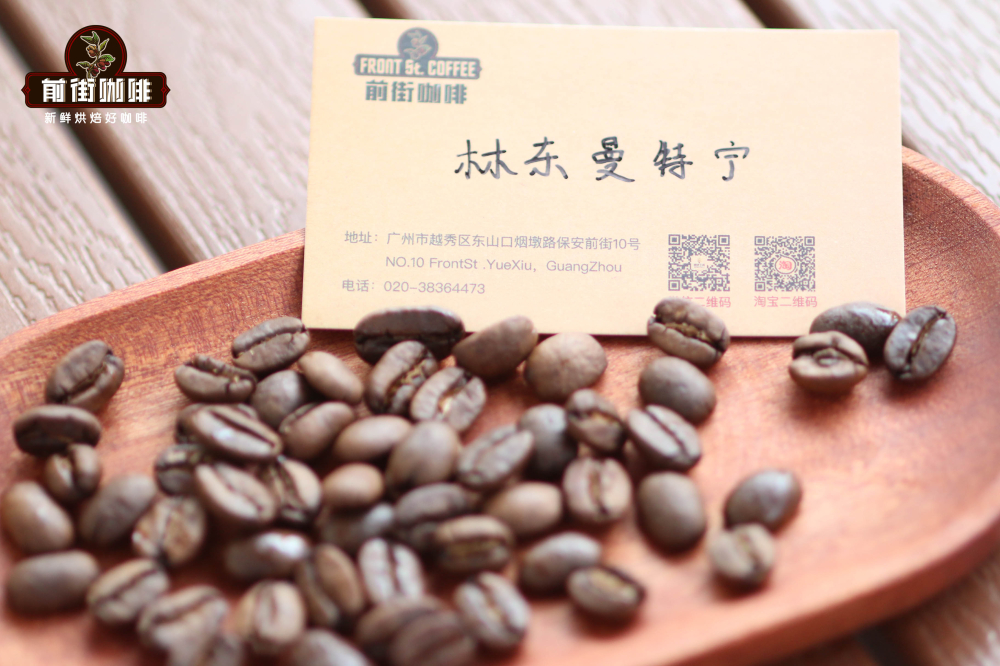
The above content is compiled by CoffeeHunters, a coffee news website.


