







Introduction:This article delves into the unique flavor origins of Indonesia’s Sumatra Golden Mandheling coffee, introducing how its representative wet-hulled processing method shapes its bold, herbal character. It also spotlights the top-tier G1 grade beans produced by PWN as the representative example. In addition to detailing key pour over parameters—such as water temperature, grind size, brew ratio, and a three-stage pouring technique—this guide provides a full flavor profile to help coffee enthusiasts master the brewing essentials and tasting highlights of this classic bean.
Among the many dark-roasted coffees, Sumatra Mandheling from Indonesia has long been known for its rich, full-bodied profile with distinctive herbal and spicy notes, making it a favorite among many serious coffee lovers. This unique flavor profile largely stems from the region’s distinctive wet-hulling process—a semi-washed method developed to adapt to Sumatra’s hot and humid climate.
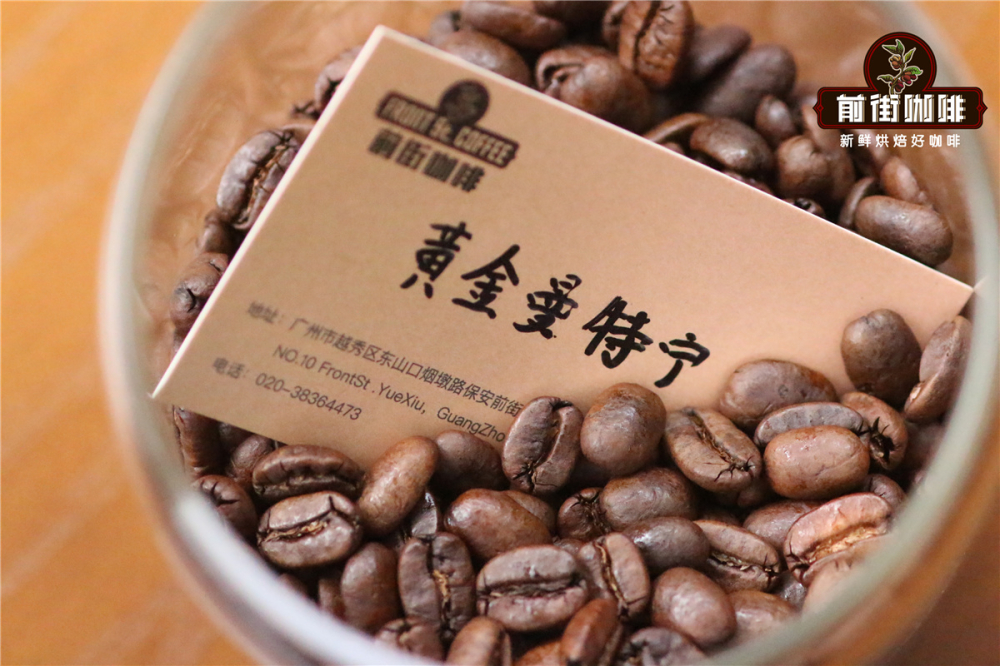
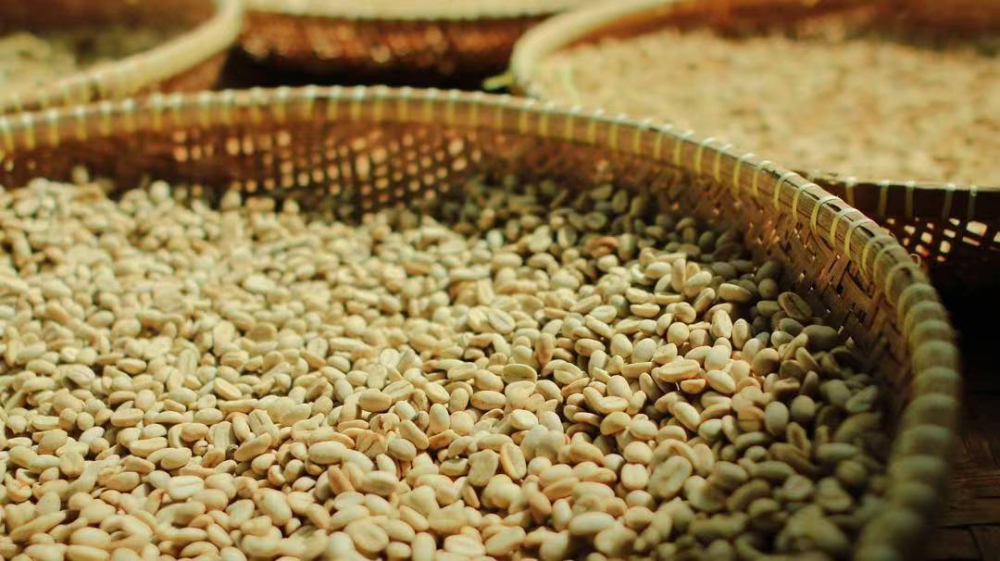
Traditional sun-drying or washed processing methods are difficult to carry out smoothly in Sumatra’s humid and hot environment. As a result, the locals developed a process where the beans undergo brief fermentation, have some moisture removed, and then have their parchment layer directly scraped off. This technique leaves the green beans “exposed” before they are fully dried, making them more prone to absorbing moisture and impurities from the air—but it also imparts a deeper woody, herbal, and spicy character to Mandheling, setting it apart from coffees of other regions.
When it comes to the crème de la crème of Indonesian Mandheling, the Golden Mandheling launched by PWN is undoubtedly the market’s recognized top-tier representative. PWN (Pwani Coffee Company), as a major premium green bean buyer in Indonesia, not only rigorously selects its Golden Mandheling beans at the G1 grade, but also ensures trademark protection, guaranteeing that each batch meets high standards. From harvesting to processing, PWN performs three rounds of manual sorting and one mechanical screening to remove defective beans, resulting in purer flavors and significantly fewer impurities. The cleanliness is notably superior to that of most commercially available Mandheling.
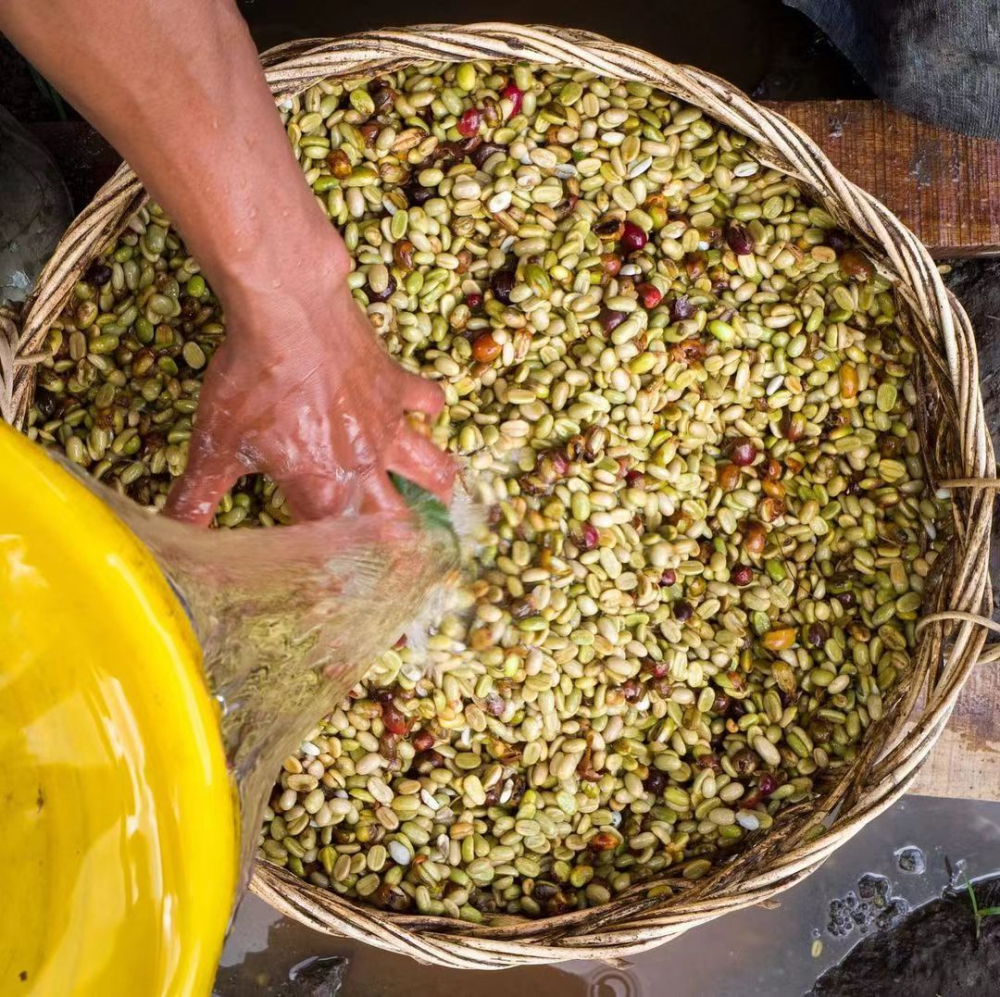
Golden Mandheling offers clear, layered flavors, often featuring aromas of herbs, cinnamon, dark chocolate, and caramel. Its mouthfeel is bold yet well-balanced. To preserve these characteristics, it is typically medium-dark roasted to avoid excessive caramelization that could lead to aroma loss. It’s worth noting that these beans require a 7 to 10 day degassing period after roasting to allow carbon dioxide to fully dissipate, enabling the flavors to fully unfold. Therefore, it’s recommended that consumers choose freshly roasted beans to enjoy the optimal tasting experience.
If you’d like to brew Golden Mandheling at home, here are field-tested pour over parameter recommendations:A 1:15 brew ratio—that is, using about 225 to 240 milliliters of water for every 15 grams of coffee grounds, suitable for 1 to 2 servings.Water temperature should be controlled between 87~88°Cto avoid overly high temperatures that can lead to over-extraction and unnecessary bitterness. The grind size is recommended to be medium-coarse; if tested with a #20 sieve,an approximately 70% pass rate—equivalent to around setting 11 on an EK-43s grinder—can effectively balance extraction efficiency and smooth mouthfeel.
For the filter, the KONO dripper—with its uniquely smooth curved rim design—allows the filter paper to adhere tightly to the walls, restricting airflow upward and guiding the hot water to flow downward more directly. This creates a immersion-like effect similar to that of a siphon, helping to fully release aromatic compounds, thereby enhancing the coffee’s body and layering. Paired witha three-stage pouring method: first, pour 30 grams of water for a 30-second bloom to awaken the coffee grounds; then pour in a small, circular motion up to 125 grams before pausing; once the water level drops slightly, continue pouring until reaching a total of 225 grams. The overall extraction time is recommended to be around 2 minutes, yielding a stable and refined mouthfeel.
The final brewed Golden Mandheling delivers an upfront presence of distinct herbal and cinnamon spice notes, accompanied by the richness of dark chocolate and the aroma of nuts. The sweetness is primarily caramel-driven, with a smooth and lingering finish. From high to low temperature stages, the flavor transitions are pronounced, and the overall cup is clean and multi-dimensional—an exemplary choice for experiencing the Sumatran wet-hulled process and the charm of high-quality Mandheling.
The above content is compiled by CoffeeHunters, a coffee news website.


