







Introduction:Delve into the honey processing method of Costa Rican coffee to understand how this unique sun-drying technique enhances sweetness and flavor complexity. The article provides an in-depth look at the characteristics of Costa Rica’s seven major coffee-growing regions, focusing on the renowned Musician Series from Tarrazú — Bach, Beethoven, and Mozart. Each bean is analyzed in detail regarding variety, altitude, processing method, and flavor profile, along with practical V60 pour over parameters to help you fully grasp the essence of Costa Rica’s specialty coffee.
Many people’s first impression of “honey processing” might be that honey is added during production, but in reality, it refers to a special processing method where the sticky mucilage layer of the coffee fruit is retained and dried under the sun. Costa Rica is a representative producer that has mastered this technique to perfection. Starting with fundamental concepts, this article will guide you through the actual process of honey processing, comprehensively analyze the distribution of Costa Rica’s seven main coffee-growing regions, and focus on the Musician Series launched in the Tarrazú region — including three premium beans: Bach, Beethoven, and Mozart. Each is introduced in detail based on variety, cultivation altitude, processing method, and flavor characteristics. Finally, recommended V60 brewing parameters suited to these coffees are provided to help you better appreciate the unique charm of Costa Rican coffee.
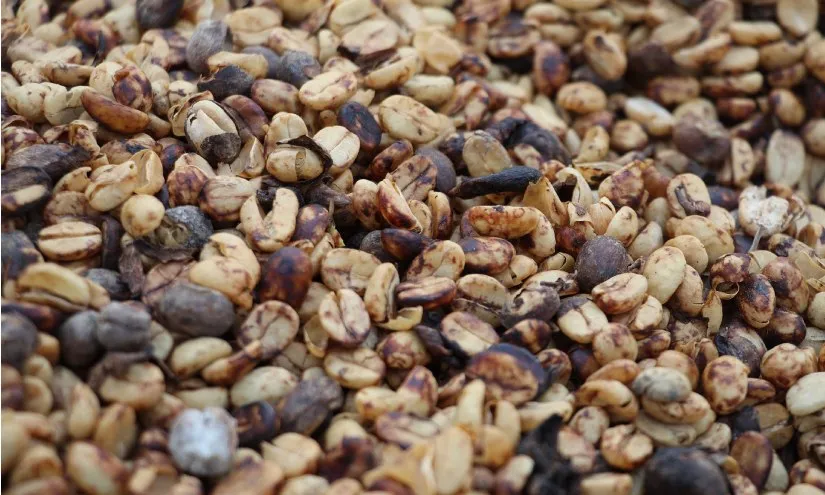
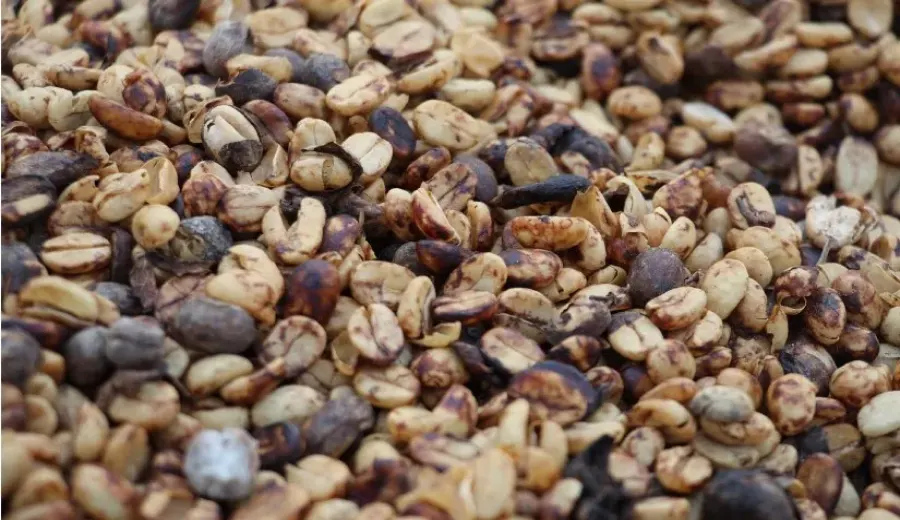
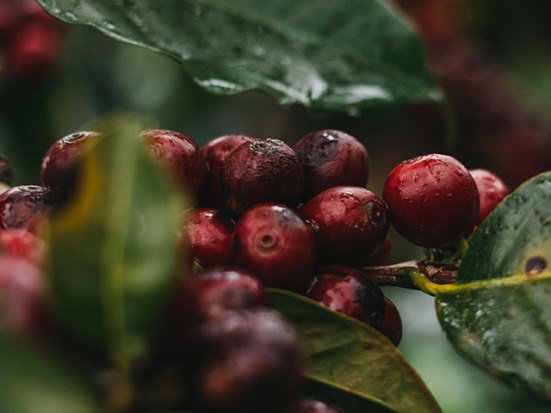
The so-called honey processing actually has nothing to do with honey itself. The term “honey” comes from the fact that after removing the outer skin and pulp of the coffee cherry, the sticky, honey-like mucilage layer is deliberately retained before sun drying. Compared to washed processing — which removes the mucilage to achieve a cleaner flavor — honey processing retains this sugar-rich mucilage, imparting more sweetness and complexity during drying. Coffees produced with this method are typically sweet, with gentle acidity, a smooth mouthfeel, and no overly sharp or tangy notes. For example, some honey-processed coffees often exhibit floral and berry-like sweetness, and some even present caramel or toffee-like finishes.
Although Costa Rica is the third smallest country in Central America by area, it boasts a highly advanced level of coffee cultivation. Its coffee industry not only has a long history but also holds a significant place in the global specialty coffee market. Costa Rican coffee is known for its balanced flavor, bright acidity, and rich body, with each growing region showcasing diverse characteristics due to variations in microclimate and altitude. What makes Costa Rican coffee particularly special is not only its privileged volcanic soil and high-altitude environment, but also farmers’ commitment to quality and continuously refined processing techniques.

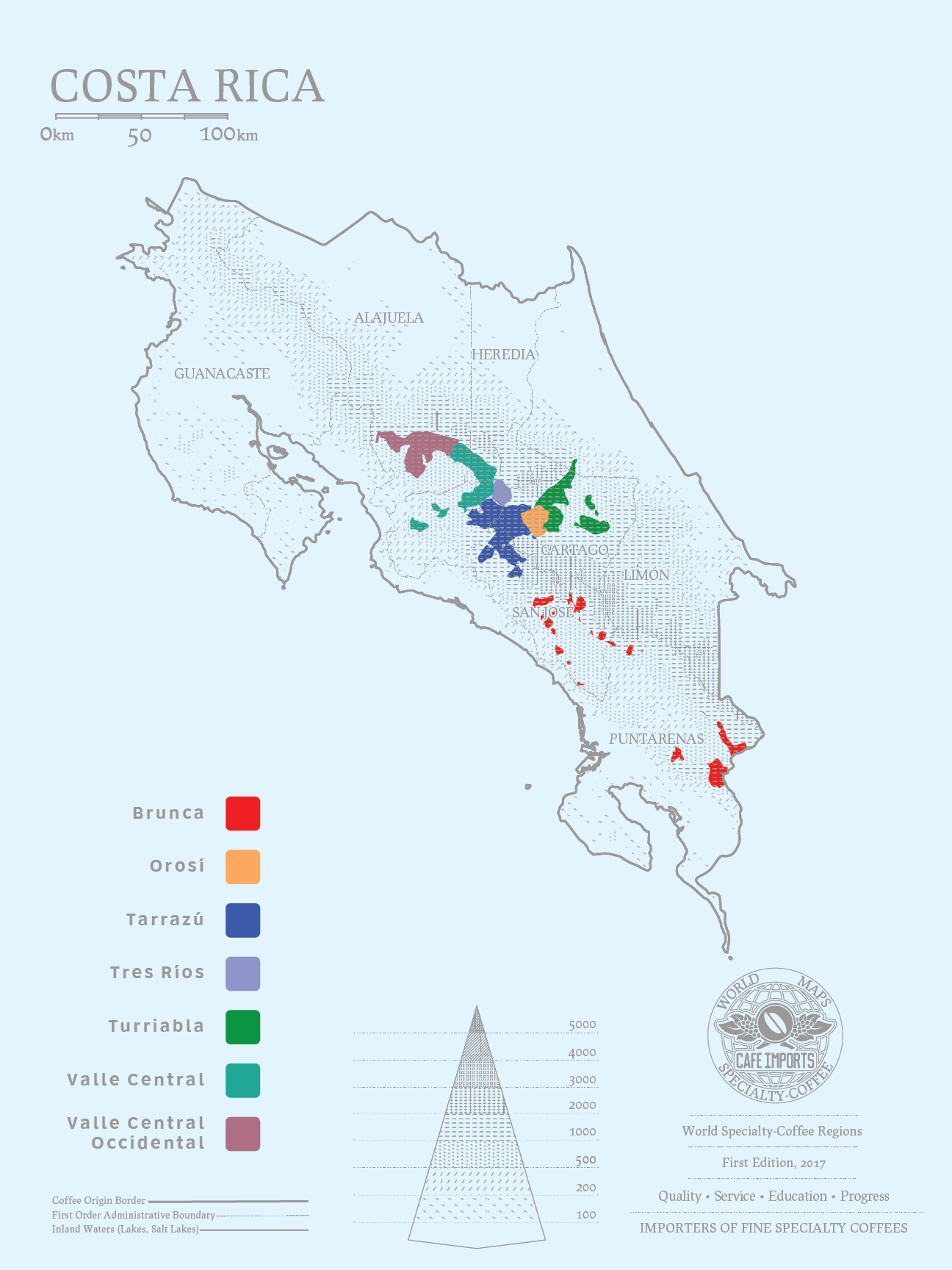
Costa Rica is divided into seven major coffee-growing regions: Turrialba Valley, Central Valley, West Valley, Tres Ríos, Brunca, Orosi, and Tarrazú. Among them, the Central Valley, Tarrazú, and Brunca are the most prominent. Tarrazú, with its exceptional geographical conditions and long-standing excellence in the specialty coffee scene, has become a focal point for coffee enthusiasts worldwide.
Located in southern Costa Rica within the volcanic belt, Tarrazú benefits from fertile volcanic soil, abundant annual rainfall, high altitudes, and natural shade from dense forests — creating ideal growing conditions for coffee trees. Coffee farming here mostly employs sustainable methods without pesticides or synthetic fertilizers, and over 95% of the high-altitude beans are Strictly Hard Bean (SHB), typically grown at elevations above 1500 meters. This results in dense bean structure, intense flavors, and good extraction potential. A certain brand’s Musician Series coffee beans come from Tarrazú’s SHB beans, including Bach, Beethoven, and Mozart — each with its unique processing method and flavor profile.
Costa Rica Musician Series — Bach
Country: Costa Rica
Region: Tarrazú
Altitude: 1950 meters
Processing Method: Grape Natural (Grape Honey) Process
Grade: Strictly Hard Bean (SHB)
Variety: Caturra
Flavor Profile:A vibrant mix of fruity notes such as strawberry, apple, lemon, grape, and citrus, paired with the sweetness of honey and toffee. The texture is silky and creamy, with a long finish reminiscent of high-quality Darjeeling black tea. The dry aroma carries scents of strawberry, blackberry, and raisin, while hot brewing highlights fruity and floral notes. Upon tasting, the fruity acidity and sweetness stand out, gradually giving way to wine-like notes with complex layers in the mid-to-late stages. As the cup cools, the sweetness of candied fruit and plum wine become more pronounced, creating an overall experience akin to elegant Baroque art.
Costa Rica Musician Series — Beethoven
Country: Costa Rica
Region: Tarrazú
Altitude: 1900 meters
Processing Method: Washed Process
Grade: SHB
Variety: Yellow Caturra
Flavor Profile:Aromas of green grape, vanilla, strawberry, melon, and citrus. The acidity is crisp like pomegranate juice, with a clean and smooth mouthfeel highlighted by the refreshing acidity of green kiwi. Although part of the Musician Series, this bean is washed processed, providing a contrast to the other two honey-processed beans with a brighter and clearer flavor. The dry aroma features primarily red berries, especially prominent strawberry notes accompanied by subtle floral hints. When brewed, floral honey sweetness blends with green grape flavors, resulting in a well-balanced sweet-and-sour taste and a refreshing finish. According to international coffee reviews, this bean suits those who enjoy a fresh, summery cup.
Costa Rica Musician Series — Mozart
Country: Costa Rica
Region: Tarrazú
Altitude: 1800 meters
Processing Method: Grape Natural (Grape Honey) Process
Grade: SHB
Variety: Catuai
Flavor Profile:Notably sweet, with strong berry aromas and a thick, full-bodied mouthfeel. The taste resembles dried banana with a rich sweetness of ripe fruit. The dry aroma offers elegant white floral notes such as orange blossom, while the cup is dominated by dark berries. The mid-to-late stages bring hints of plum acidity and a soft candy-like sweetness. Even as the cup cools, floral and sweet characteristics remain pronounced. Different from previous versions using Yellow Caturra with Red Honey processing, this iteration showcases the Catuai variety for a softer and rounder sweetness.
It’s worth noting that both Bach and Mozart in the Musician Series use the Grape Natural (Grape Honey) processing method, also known as double fermentation. The steps include: after harvest, defective beans are removed, and whole coffee cherries are placed on raised beds to dry for at least three days. Then the outer skin is removed but the mucilage is kept intact before sun drying. Throughout the drying process, constant turning ensures evenness, and strict time control prevents over-fermentation. This technique not only has a high technical barrier but also demands precise weather and detail management.
In contrast, Beethoven uses traditional washed processing. The steps are: first, unripe or overripe beans are removed, then the pulp is stripped and the mucilage is cleared via a centrifugal washer. After rinsing with clean water, the beans are dried on shaded raised beds for 12 to 14 days, with frequent turning to ensure even drying. Washed processing results in a cleaner, brighter cup with distinct acidity, ideal for those who prefer a refreshing flavor.
Finally, for these high-quality Costa Rican honey- and washed-processed coffees rich in both sweetness and complexity, we recommend using the V60 dripper for pour over brewing. Suggested parameters are as follows:
The above content is compiled by CoffeeHunters, a coffee news website.


