







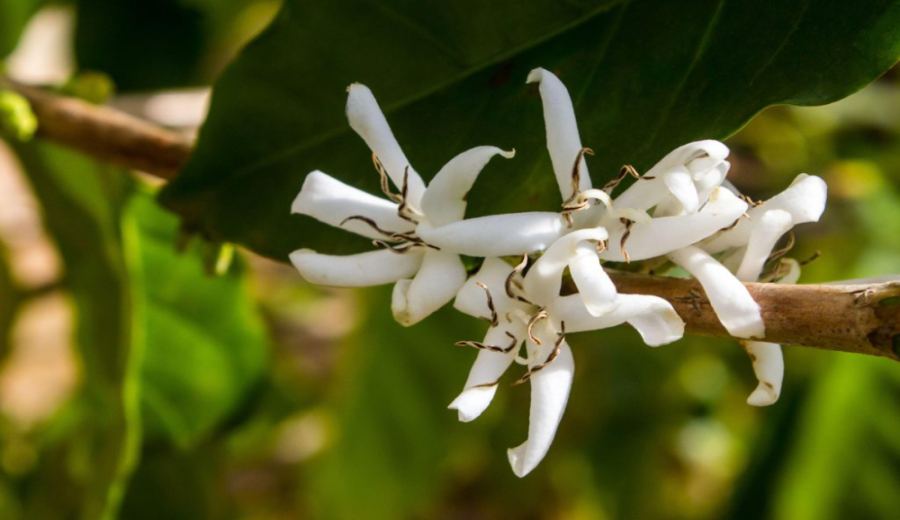
Introduction:Geisha coffee is renowned for its distinctive floral and fruity aromas and complex layered profile. Originating in Ethiopia, it is now cultivated in multiple countries including Panama and Colombia. This article delves into the differences between Panama’s La Esmeralda Estate Red Label, Green Label, and Blue Label, and visits Colombia’s La Esperanza Estate to compare the flavor characteristics and brewing methods of Geisha from various regions, helping coffee enthusiasts find their perfect match.
Geisha (Geisha) coffee is hailed as one of the most outstanding coffee varieties of our time. It originated in the Geisha Forest of Ethiopia and, after passing through Kenya, Uganda, Costa Rica, and other regions, eventually shone brightly in Panama.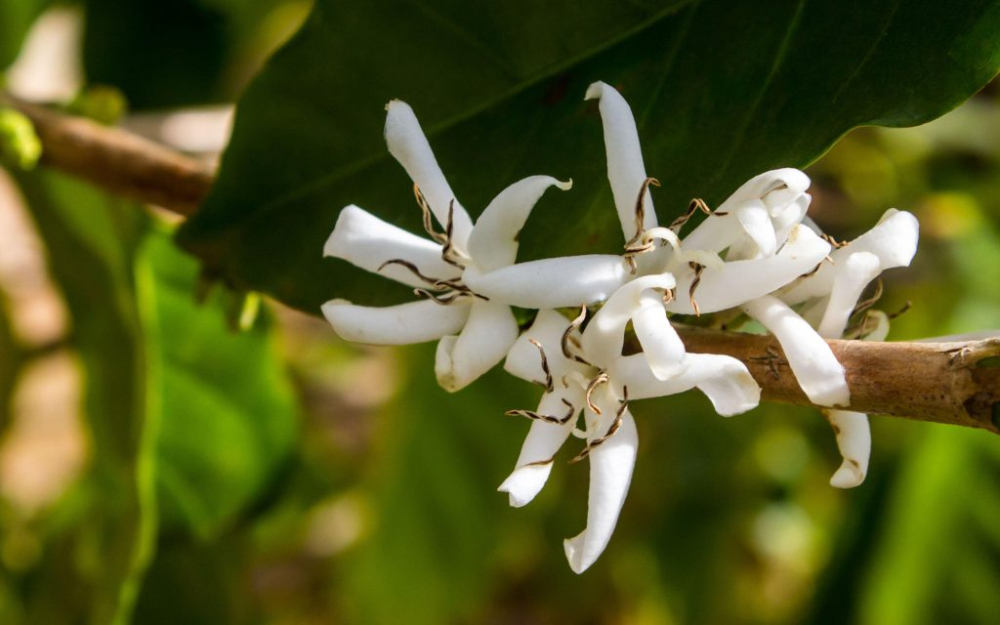 This variety has extremely high environmental requirements, needing high altitudes, misty conditions, and fertile soil, which contribute to its unique aroma and taste.
The Boquete region of Panama is a representative producing area for Geisha coffee, where La Esmeralda Estate played a pivotal role in bringing Geisha to the international stage. In 2004, La Esmeralda won the Best of Panama (BOP) competition with the Geisha variety, propelling this variety to fame overnight.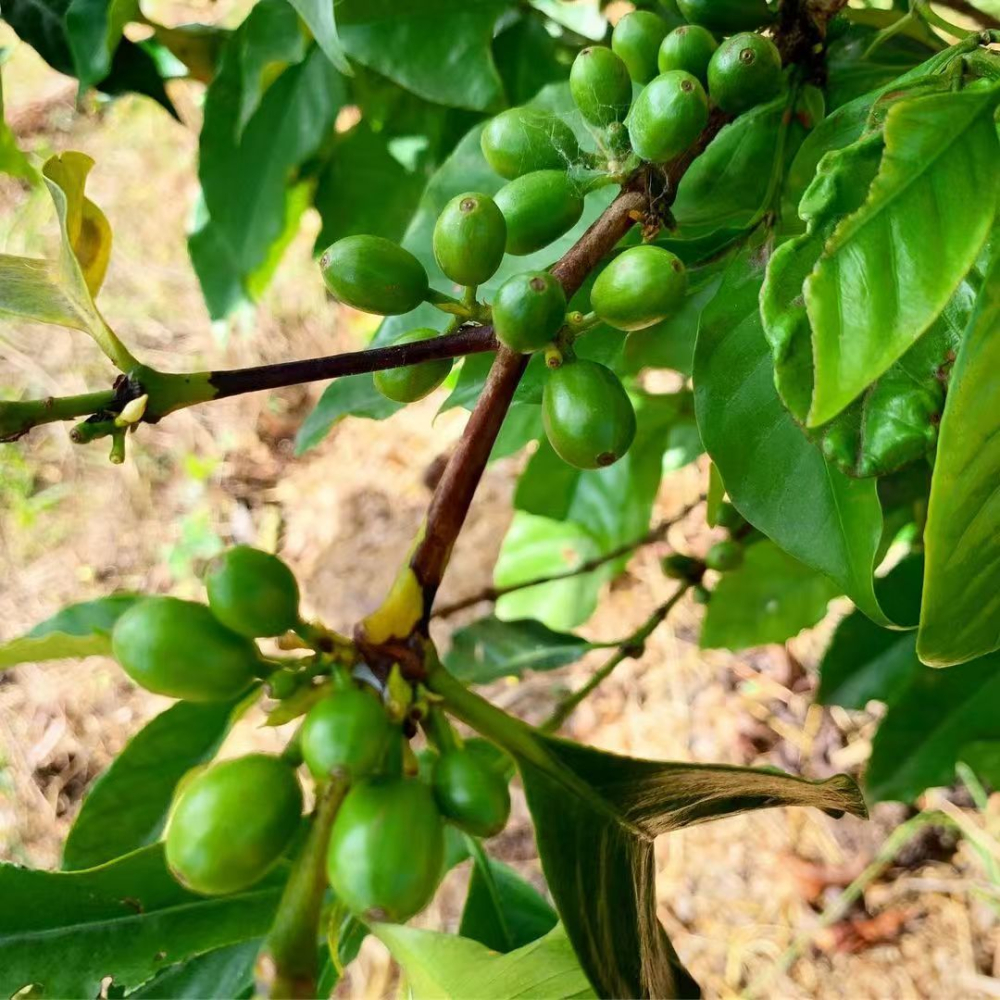
La Esmeralda Estate’s Geisha is divided into three main categories—Red Label, Green Label, and Blue Label—based on origin, altitude, and processing method. The Red Label (Esmeralda Special) is the highest grade, grown at elevations of 1600–1800 meters, often scoring over 90 points in cupping tests. It mainly comes from two plots: Jaramillo and Cañas Verdes, and is available in both washed and natural processing methods. The Red Label’s Esmeralda auction lots are released in limited quantities through auctions, making them highly sought-after collectibles and favorites among coffee enthusiasts.
The Green Label (Private Collection), while not part of the auction, is equally excellent in quality, with altitudes similar to the Red Label. It is a blend of Geisha beans from different plots but still retains the classic Geisha floral, fruity, and citrus notes, with processing methods that include both washed and natural. The Blue Label (Geisha1500) is grown at elevations of 1400–1500 meters and is a blend of beans from three plots: Jaramillo, Cañas Verdes, and El Velo. It was traditionally only offered in washed processing, but in recent years, a natural version has also been introduced. It should be noted that since 2021, the Blue Label series has been discontinued, and Geisha from this region is now exported under the name “Panama Volcanic Rock Geisha,” with similar flavors but only in washed processing, showcasing a fresh floral aroma and fruity acidity.
 When brewing Geisha coffee, it is recommended to use freshly roasted beans, with the optimal tasting period being 4–7 days after roasting. The Hario V60 dripper is recommended, with parameters set to 15g of coffee, a 1:16 coffee-to-water ratio, a water temperature of 93°C, and a grind size of approximately 20 mesh with 78% extraction. The brewing steps include a 30-second bloom with 30g of water, followed by pouring 110g of water to steadily raise the coffee bed, and finally pouring 115g of water with circular agitation, for a total brew time of about 2 minutes and 5 seconds. This method fully highlights the jasmine floral notes and berry flavors of Geisha.
Beyond Panama, Colombia’s La Esperanza Estate is another prominent representative of Geisha coffee.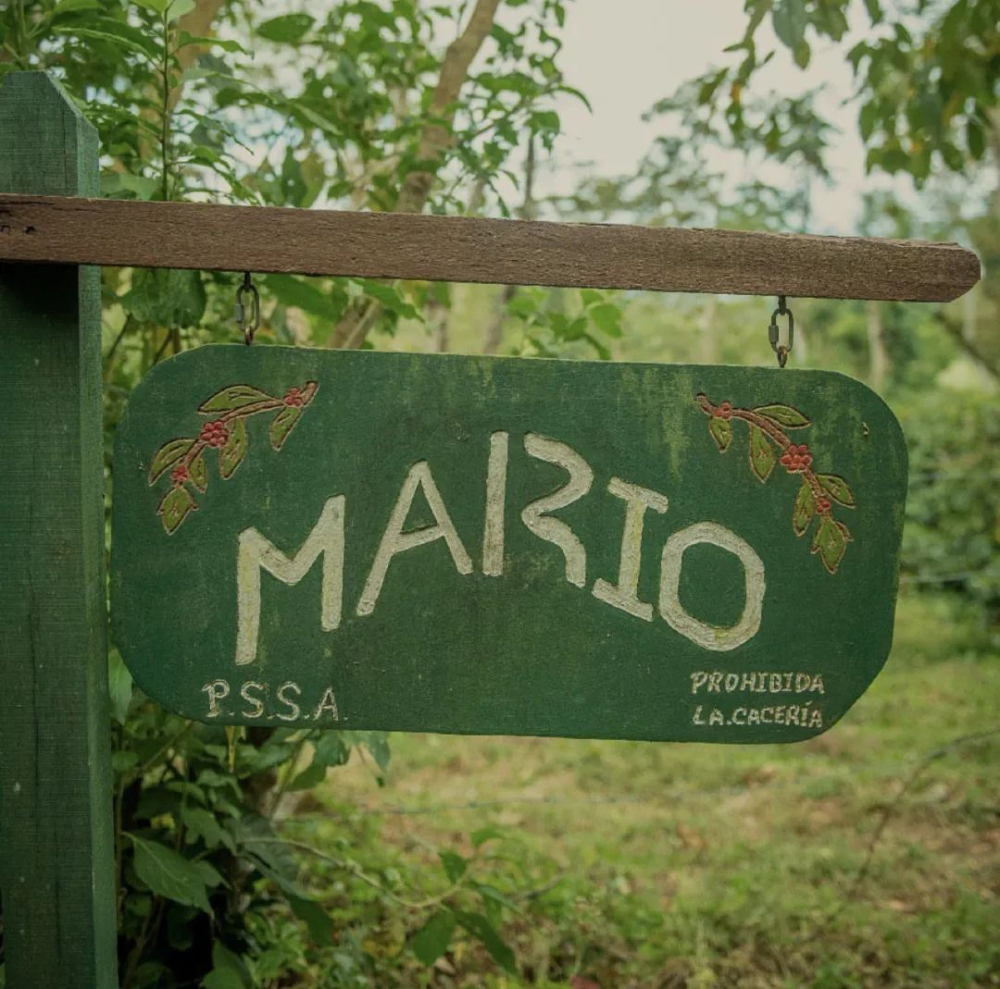 Located in the Huila region, the estate sits at an altitude of 1400–1650 meters. It handpicks ripe coffee cherries and strictly controls quality. It has won numerous domestic and international coffee competitions, including the 2007 Colombian Coffee Competition and several high rankings in 2008, earning a high score of 93 from American coffee master Kenneth Davids.
This Geisha variety was introduced from Panama’s La Esmeralda Estate, so its flavor profile is very similar. The Geisha sourced here is processed using the washed method, which includes removing the pulp and flesh, fermenting for 24 hours, washing off the mucilage, and drying to a moisture content of 12%, before finally removing the parchment. This Geisha is grown at an altitude of 1800 meters, exhibiting a delicate and nuanced aroma with layered complexity.
 The flavor profile of Geisha includes jasmine floral notes, sweet orange, lemon, honey, cream, and an oolong tea character, with a refreshing taste and distinct layers. Roast analysis indicates that the beans have a bluish-green appearance with pronounced fermented fruit and citrus aromas. The roast was performed using a Yangjia 800N roaster, with an initial drum temperature of 160°C and an air damper setting of 3. The heat and air damper were then gradually adjusted until the first crack (around 8’15”), when the heat and air were reduced. Development after first crack lasted 1’28”, and the beans were dropped at 190°C, resulting in a balanced expression of acidity, sweetness, and aroma.
For brewing, it is recommended to use a Hario V60, with a water temperature of 90–92°C, a 1:15 coffee-to-water ratio, and a grind size compatible with the V60 dripper (20 mesh with 78% extraction). The brewing technique involves a 30-second bloom with 30g of water, followed by pouring up to 125g of water, waiting for the water level to drop, and then pouring up to 225g before stopping. The total extraction time is about 2 minutes. Brewing at a higher temperature brings out a more pronounced sweetness and tea-like character, with lingering notes of citrus, plum, and oolong tea. Using a lower temperature highlights the floral aroma more, with prominent creamy and honey sweetness in the mid-palate, and a sugarcane-like sweetness and subtle tea aroma in the aftertaste.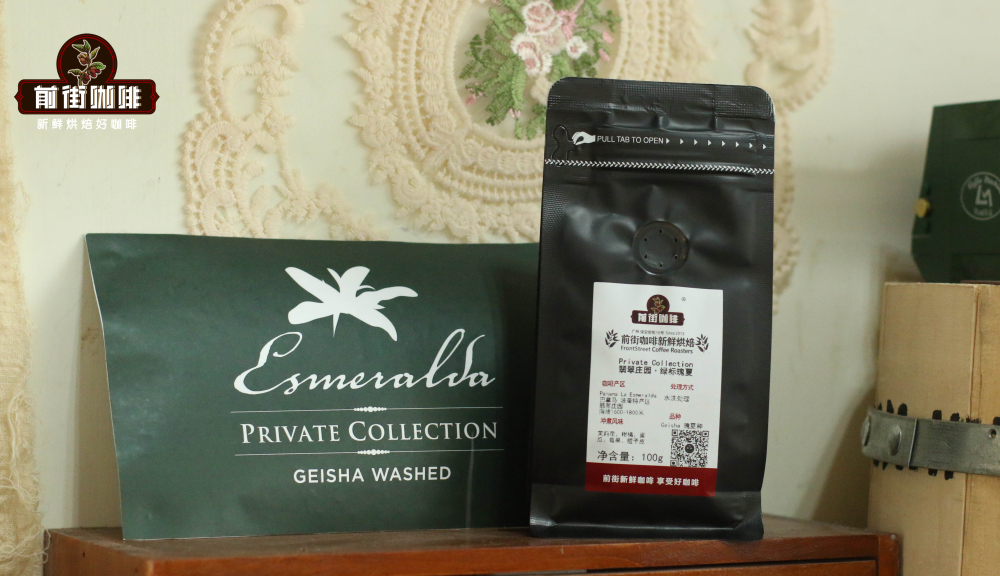
The above content is compiled by CoffeeHunters, a coffee news website.


