







Introduction:The PWN Golden Mandheling G1 washed beans from Sumatra, Indonesia, are renowned for their high cleanliness and prominent sweetness, making them a top choice for many coffee enthusiasts entering the world of premium Mandheling. This article delves into its regional origins, classification characteristics, and flavor profile. Starting with the "Two Lakes, Two Mandhelings" of Lake Toba and Lake Tawar, it explores in detail how the wet-hulling process influences aroma, and explains why the PWN Golden Mandheling, after three rounds of manual sorting, can deliver a more refined cup. Finally, it offers practical pour over recommendations to help you fully unlock the potential of this classic bean.
In the realm of specialty coffee in Asia, Mandheling from Sumatra, Indonesia, has always been a unique presence. Among them, the PWN Golden Mandheling G1 washed beans produced by Pwani Coffee Company, with their high cleanliness and distinct sweetness, have become a benchmark for many coffee lovers exploring Sumatran flavors. This article not only introduces its regional background and classification logic but also analyzes in depth how the wet-hulling process shapes its unique spicy and woody notes. It also explains why the PWN version, after multiple rounds of selection, stands out in terms of aroma purity and sweetness, and finally provides practical pour over extraction parameters to help you easily master the brewing secrets of this classic bean.
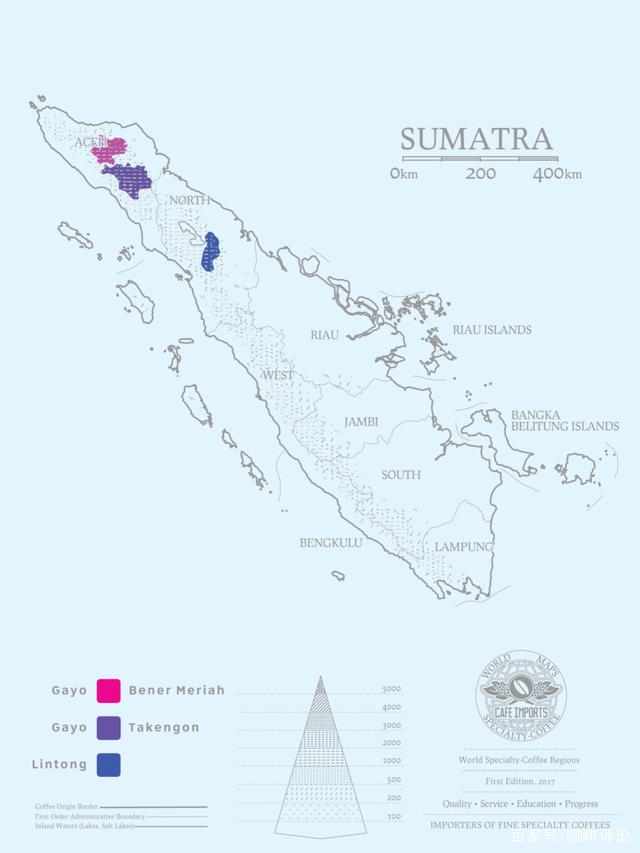
As an important coffee-producing region in Indonesia, the northern part of Sumatra—specifically Lake Toba and Lake Tawar in the Aceh region—are collectively referred to by the industry as the "Two Lakes, Two Mandhelings," representing the two core sources of Mandheling coffee. Although the Mandheling from these two areas share foundational traits such as a full body and rich aroma, they each have their own unique nuances: Mandheling from Lake Toba often carries a deep, muted fragrance, occasionally even exhibiting a unique herbal note reminiscent of grass jelly; whereas the Lake Tawar version, due to differences in altitude and microclimate, tends to have brighter acidity, occasionally revealing layers of cedar or subtle woody tones.
When it comes to the classification of Mandheling, the methods are quite diverse. They can be distinguished by production area (e.g., Lintong Mandheling), brand name (e.g., PWN Golden Mandheling), processing method (e.g., aged Mandheling), or by grade (e.g., G1) and regional characteristics (e.g., Tiger Mandheling). This article focuses on two representative types of Mandheling: one is the traditional and widely known Lintong Mandheling, and the other is a Golden Mandheling known for its cleanliness and sweetness. It takes you in-depth into their growing backgrounds, processing techniques, and flavor differences.
A typical Lintong Mandheling mainly comes from the Aceh and North Sumatra provinces of Sumatra, two higher-altitude regions with a tropical rainforest climate that is shrouded in clouds year-round, providing an ideal environment for coffee growth. The coffee fruit ripens from September to April of the following year, during which time local farmers—primarily the Mandailing and Batak ethnic groups—harvest the cherries. The most distinctive feature of this Mandheling comes from its unique wet-hulling process: after removing the outer skin and pulp, the coffee is briefly fermented for several hours, then partially dried with some mucilage still present. Once the moisture content drops to 30–40%, it is sold. Subsequently, the buyer directly hulls the semi-dried parchment beans to extract the inner green beans. Because the beans are exposed to humid air for an extended period during drying, microbial activity is high, ultimately shaping the characteristic woody, spicy, and herbal-muted aroma of Mandheling.
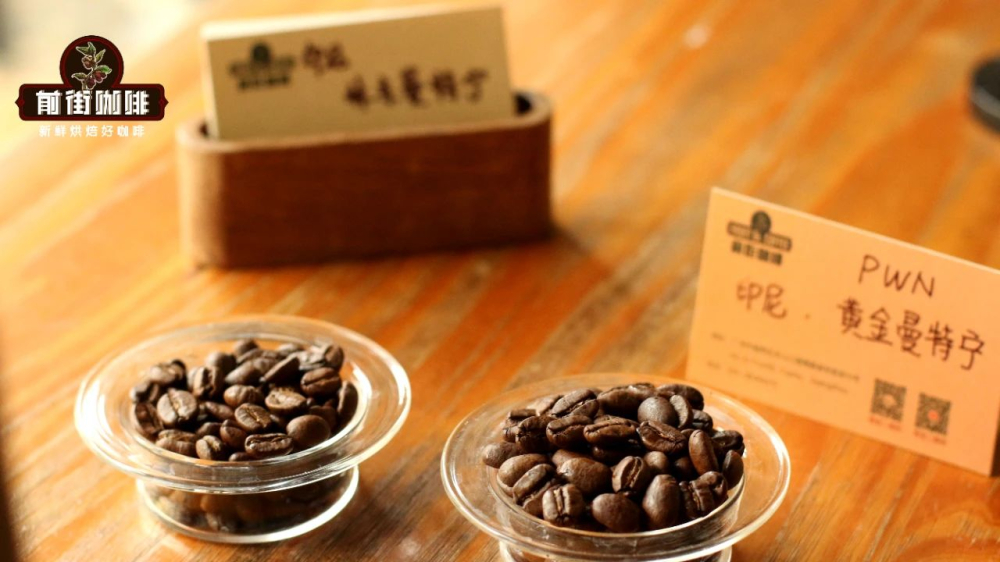
The PWN Golden Mandheling is purchased and produced by the Indonesian company Pwani Coffee Company and is the only product on the market officially permitted to use the name "Golden Mandheling," with very clear quality certification. The most notable feature of these beans is that they undergo three rounds of manual sorting and one round of machine sorting, resulting in uniformly plump beans with a glossy color—visually conveying their refinement. More importantly, after strict sorting, common Mandheling notes such as herbal, earthy, and woody off-flavors are significantly reduced, replaced instead by more pronounced caramel sweetness and bright, elegant acidity, making the overall cup profile cleaner and more precise.
This processing method gives a Lintong Mandheling a rich and full-bodied character, especially when dark roasted, where notes of caramel, herbs, and spices are particularly prominent. It is suitable not only for pour over but also for use in moka pots, SOE extractions, or American drip, making it a classic choice for many newcomers to explore Sumatran flavors. However, if you want to experience a more refined and cleaner Mandheling, the Golden Mandheling is definitely worth exploring further.
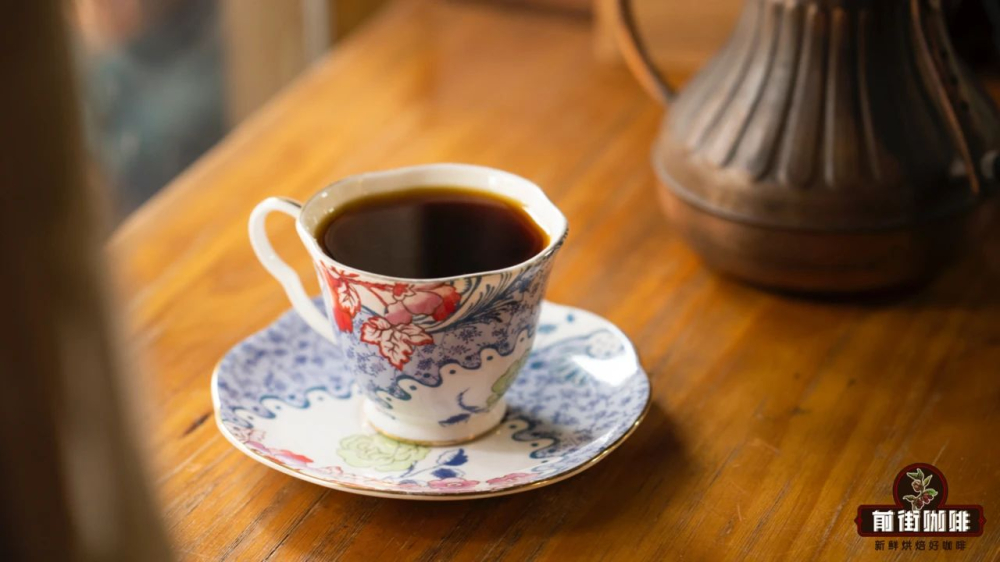
In summary, the Indonesian PWN Golden Mandheling G1 washed beans, with their rigorous sorting process and excellent processing technique, showcase the ultimate potential of Sumatran Mandheling in terms of cleanliness and sweetness. If you enjoy full-bodied and rich coffee flavors but also seek a more refined aromatic expression, this classic bean is definitely worth adding to your list of must-tries. With appropriate adjustments to pour over parameters, you’ll be able to fully release its captivating layers of dark chocolate, hazelnut, and spice.
The above content is compiled by CoffeeHunters, a coffee news website.


