








Introduction:Washed Yirgacheffe is renowned for its distinctive citrus acidity and fresh floral notes, making it a top choice for many coffee enthusiasts starting their pour over journey. This article delves into its regional characteristics, how washed processing influences flavor, and recommends five high-quality hand brew washed coffee beans. It includes detailed information on origin, altitude, variety, and flavor profiles to help readers find specialty beans that suit their taste.
Yirgacheffe is arguably a name that cannot be overlooked in the world of specialty coffee, especially when paired with the washed process, which further highlights its signature citrus acidity and delicate white floral tones. The expression of these flavors stems not only from Ethiopia’s unique high-altitude terroir but also from the rigorous quality control during the washed processing. This article provides a comprehensive analysis of the unique charm of washed Yirgacheffe, covering everything from origin background and processing techniques to roasting strategies. It also features a selection of five specialty coffee beans ideal for pour over, along with practical purchasing advice.
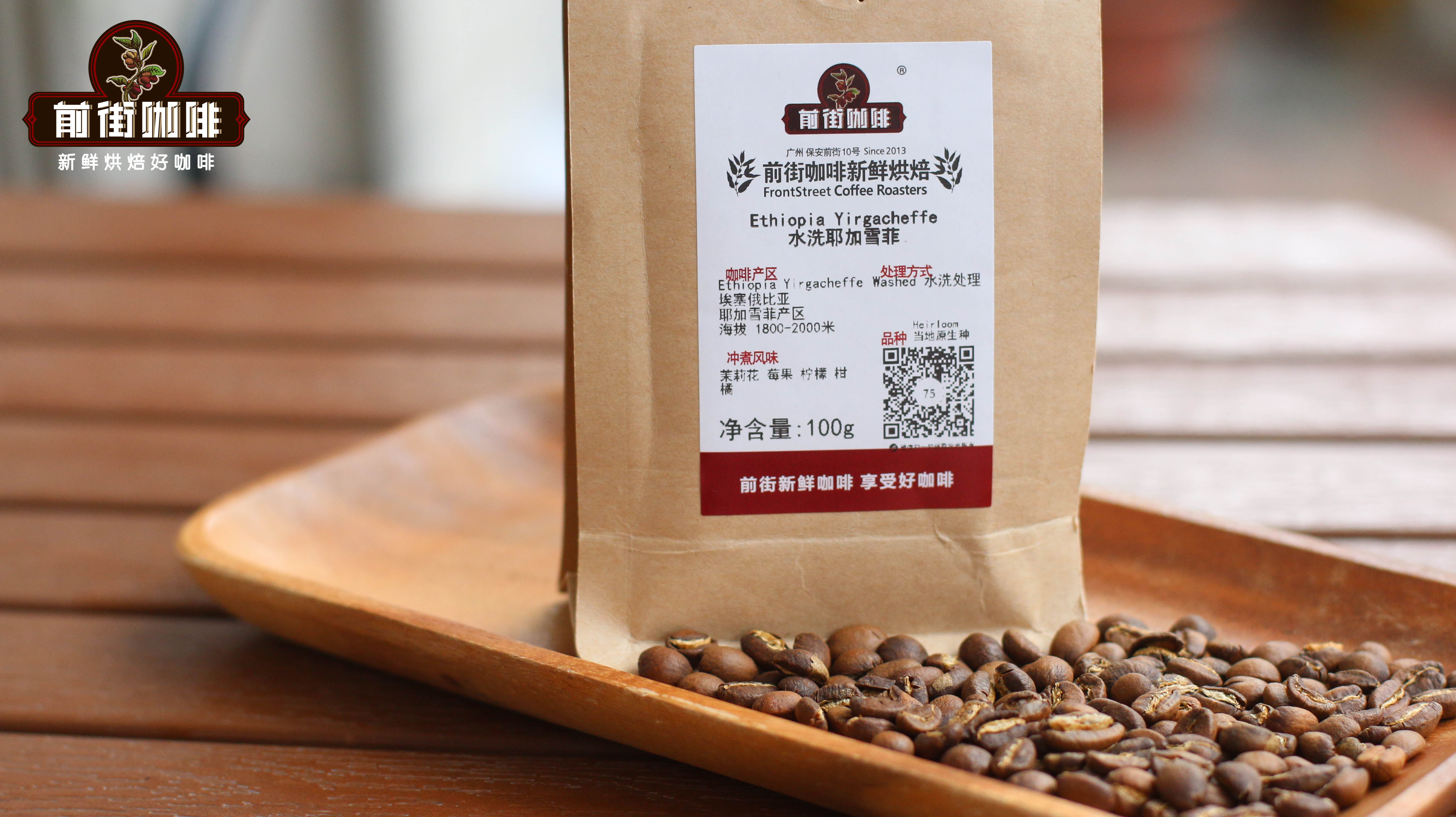
In specialty coffee discussions, "Yirgacheffe" is almost always a hot keyword, and its frequent association with the washed process is no coincidence. This coffee is most famous for its bright acidity—especially under light roasting—which not only preserves floral and honey-like aromas, but the washed process further enhances a crisp acidity reminiscent of lemon and orange, making the overall cup more vibrant and layered.
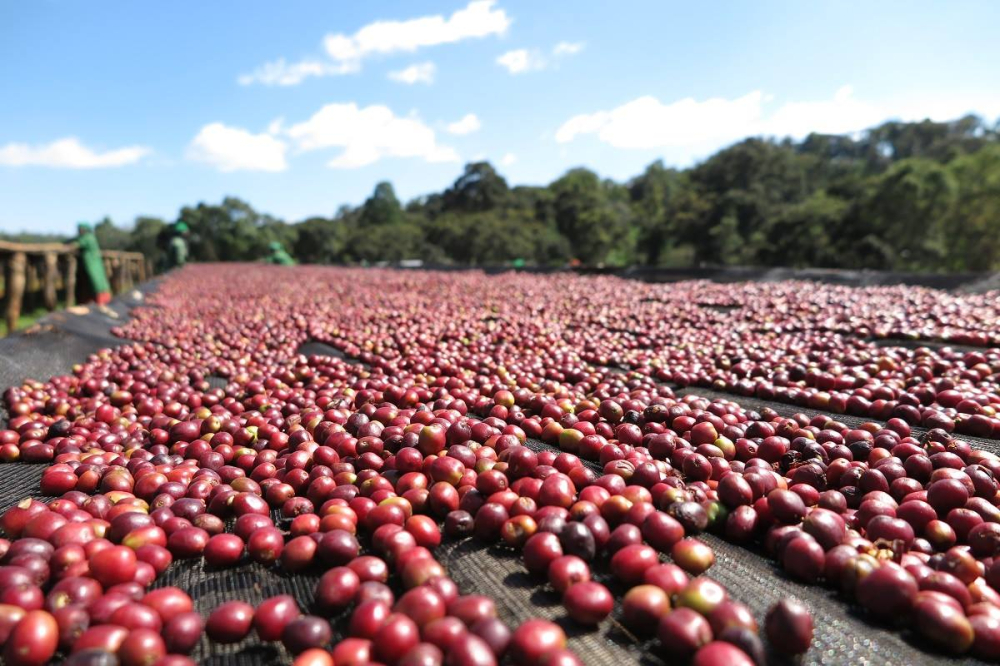
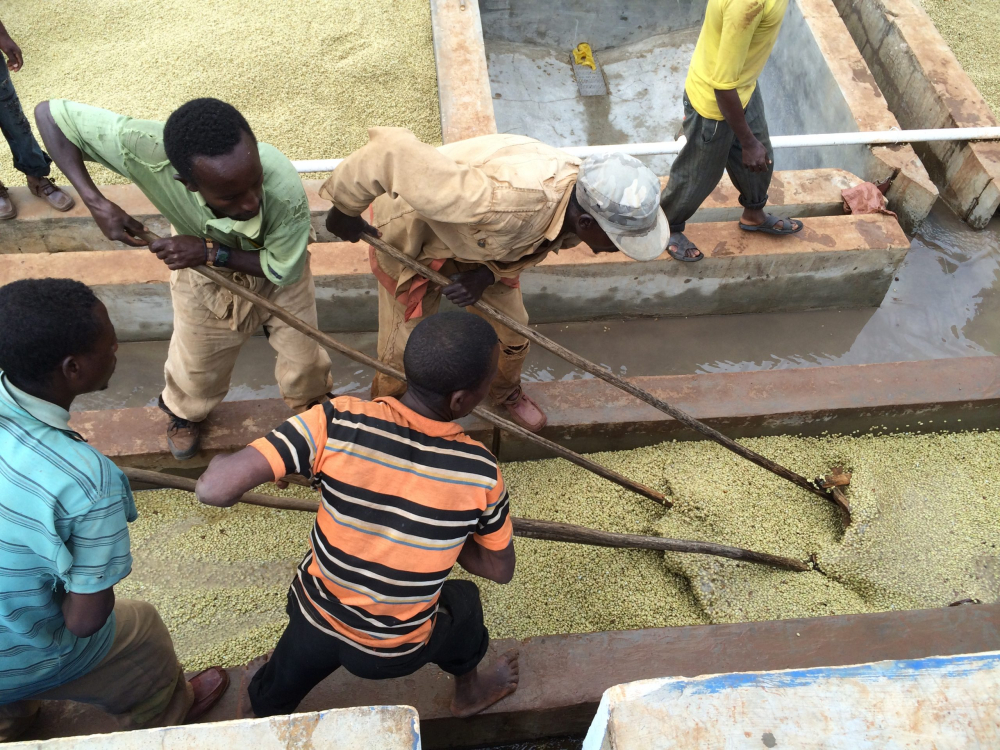
The reason Yirgacheffe can develop such a distinct flavor profile lies not only in its natural conditions of high altitude and abundant sunlight, but also in the crucial role played by the washed process. Compared to the often rough handling of traditional natural sun-drying methods, the washed process requires specialized processing facilities and a stable water supply. Though production costs are higher, it effectively reduces defect rates and improves bean consistency. During washing, fermented coffee beans are repeatedly stirred and rubbed in water tanks, using the interaction between water flow and beans to remove mucilage and impurities, leaving the bean surface smoother and cleaner.
This processing method not only enhances the overall quality of the coffee but also shapes Yirgacheffe’s unique bright citrus tone and elegant floral character, resulting in a flavor profile that is more vibrant, delicate, and clean. Many beginners to coffee often first encounter dark roasted beans with intense bitterness, roasted nut, and dark chocolate flavors. However, with the rise of specialty coffee culture, more and more roasters are choosing light roasting to showcase Yirgacheffe’s fruit acidity and floral notes, ushering in what some call the “new era of fruit-acidic coffee.” This balanced sweet-and-sour profile and approachable taste are also key reasons for its global popularity.
If you’re looking to try pour over coffee, besides Yirgacheffe, what other washed specialty beans are worth exploring? When selecting, it’s recommended to prioritize roasting brands with a good reputation and quality control to ensure the beans’ freshness and flavor performance.
Here are five recommended washed specialty coffee beans suitable for pour over, each accompanied by detailed information on origin, altitude, variety, and flavor characteristics to help you make a choice based on your personal taste:
1. Fruit Dingding Yirgacheffe: Produced in the Yirgacheffe region of Ethiopia, with an altitude of about 2000–2100 meters, made from local native variety coffee beans using the washed process. Flavor notes include orange, citrus, tea-like qualities, and jasmine aroma—ideal for those who enjoy fresh fruit acidity and floral notes.
2. Panama Geisha Hacienda La Esmeralda (Flower Butterfly): Sourced from the Boquete region of Panama, at an altitude of about 1600 meters, the variety blend includes 70% Geisha along with Caturra and Catuai, also processed using the washed method. Flavor characteristics include berries, citrus, and subtle floral notes, offering rich layers and a balanced sweet-and-sour profile.
3. Kenya Little Tomato: From the Thika region of Kenya, with an altitude between 1550–1750 meters, using the SL28 and SL34 varieties and refined via a 72-hour washed process. Flavors present as cherry tomato, berries, pear, plum, and a hint of brown sugar sweetness—brightness in acidity paired with abundant fruity notes.
4. Rwanda Red Bourbon: Sourced from Southern Province, Rwanda, at an altitude of 1500–1700 meters, the variety is Red Bourbon, processed via the washed method. Flavor profile includes berries, citrus, apple, and tea leaf aromas, with a refreshing taste and clear structure.
5. Jamaica Blue Mountain No.1: From the Blue Mountain region of Jamaica, at an altitude of about 1310 meters, the variety is Typica, processed using the washed method. Flavor highlights include nuts, chocolate, cream, and caramel, with an overall balanced presentation of sweet, sour, bitter, and umami—it’s considered a classic favorite among many coffee lovers.
The above content is compiled by CoffeeHunters, a coffee news website.


