







Introduction:Latte and Americano are two of the most common classic beverages in coffee shops, both originating from espresso, but one is made with milk while the other with water, resulting in distinctly different flavors and textures. This article delves into the brewing principles and core differences between the two, and introduces how blends help maintain consistency in the final cup. From extraction parameters to flavor descriptions, it helps you understand coffee better and makes ordering effortless.
Walking into a coffee shop, latte and Americano are almost permanent fixtures on every menu, yet many customers still have only a vague understanding of the difference between these two drinks. In fact, they both stem from the same base—espresso—the difference being that latte includes milk, while Americano is diluted with water. This article will start from the extraction logic of espresso and thoroughly break down how lattes and Americanos are composed, supplemented with practical details to give you a complete understanding of the flavor origins and key brewing elements of these two classic coffees.
 For those who don’t often drink coffee, facing the myriad of options on the menu can be overwhelming. Is Americano really the daily go-to for Americans? How should one choose between a latte and an Americano? In reality, the difference between these two beverages isn’t just about the presence or absence of milk—it’s a comprehensive distinction in flavor, texture, and brewing method. Next, we’ll start from the base and unravel their mysteries step by step.
The common base for both latte and Americano is espresso. This type of coffee is characterized by its extremely high concentration and minimal liquid volume. It requires a professional coffee machine capable of generating pressure above 9 bar, which forces hot water through finely ground coffee in a sealed environment to extract a highly flavorful coffee liquid. Most commercial espressos use blends to ensure flavor consistency and cost control. However, some cafes also experiment with single-origin beans to produce what is known as SOE (Single Origin Espresso).
One of the keys to consistent output lies in the use of blends. Take the popular “Sunflower Warm Sun Espresso Blend” as an example: it combines 30% sun-dried red cherry beans from Yirgacheffe, Ethiopia, with 70% Sherry beans from Honduras, roasted to a medium-dark level to maintain long-term flavor consistency. This blend ensures stable performance in every cup, allowing customers to enjoy a similar flavor experience each time.
Espresso extraction parameters need to be adjusted according to the equipment, but generally, it’s recommended to use 20g of coffee grounds, extracted with 9 bar pressure to produce 40g of coffee liquid in approximately 25 to 30 seconds. In practice, slight adjustments can be made based on flavor performance. For instance, when using a Q18 grinder and Lelit coffee machine, common parameters are 19.8 to 20g of extremely fine grounds, extracting 35 to 38g of liquid within 27 to 30 seconds. Under these parameters, the coffee typically exhibits fermented wine-like aromas, sweet and tangy berry notes, a velvety vanilla cream texture, along with lingering nutty and caramel aftertastes.
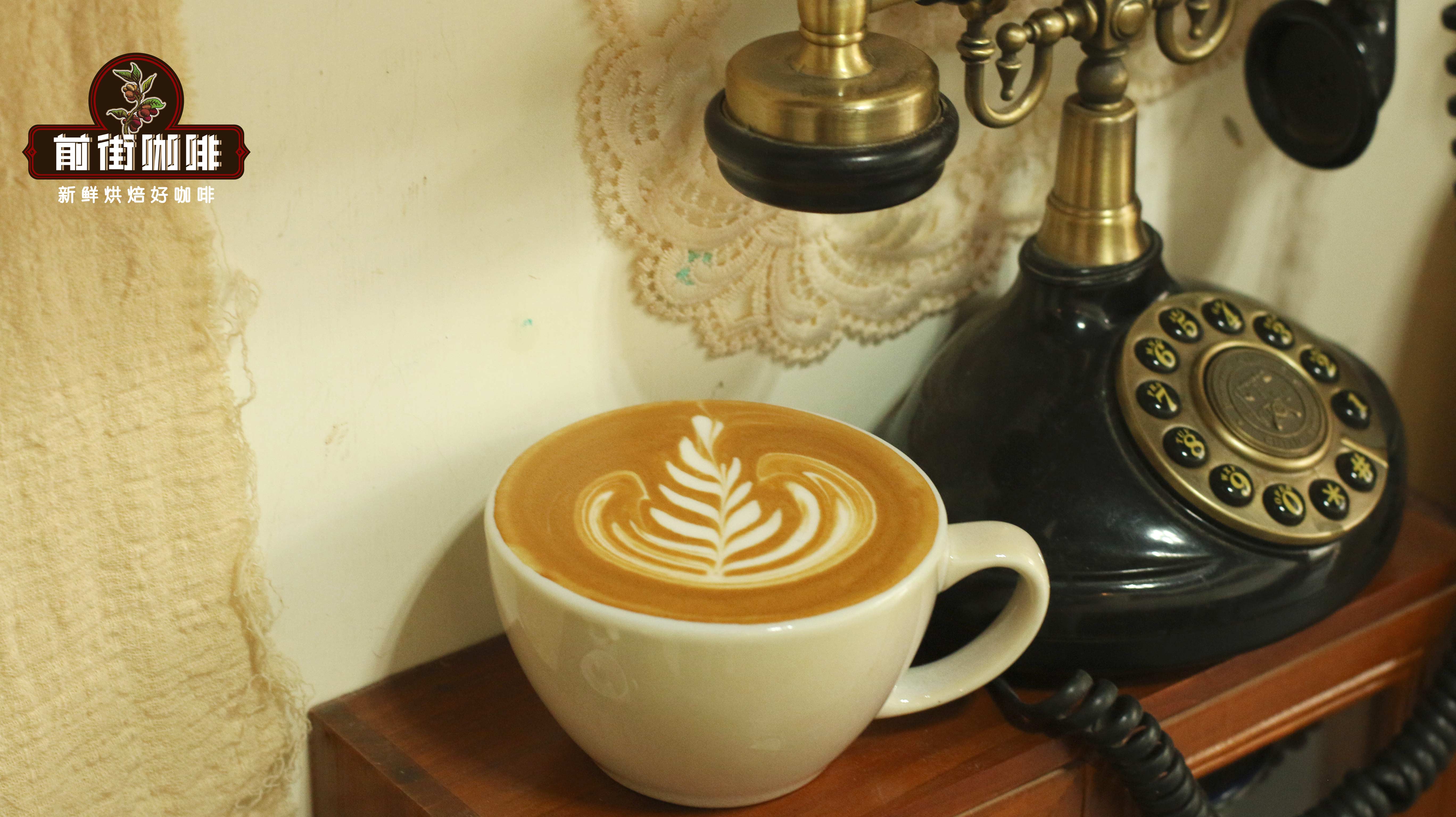
As the name suggests, latte is made by adding milk to espresso. To prepare it, first pull a shot of espresso, then pour in steamed and frothed milk with fine microfoam, and optionally finish with latte art. When using the Warm Sun blend for espresso in a latte, the sweetness is pronounced, accompanied by a gentle fermented wine aroma, with a texture as smooth as vanilla cream, and an aftertaste of hazelnut and chocolate. If cold milk is used instead, the flavor skews more towards a soft vanilla cream and whiskey note, with the berry acidity and nutty-caramel aftertaste becoming more subdued.
Americano is made by diluting espresso with water. The usual method is to add hot or iced water to the brewed espresso, with the ratio adjustable to personal preference. A common practice is to mix in hot or iced water at a 1:5 ratio. Hot Americano typically presents flavors of vanilla cream, fermented aromas, mild berry acidity, and a caramel-dark chocolate aftertaste; iced Americano, on the other hand, offers notes of whiskey, soft berry acidity, and a hazelnut-chocolate finish.
Many people assume Americano is bitter, but the bitterness actually mainly stems from the extraction of the espresso itself. Espresso is inherently intense, and improper extraction can amplify the bitterness. If the bitterness seems off, try increasing the water ratio to adjust. If it’s still unsatisfactory, you may need to revisit the extraction parameters—such as grind size, water temperature, pressure, or time—to optimize the flavor profile.
The above content is compiled by CoffeeHunters, a coffee news website.


