







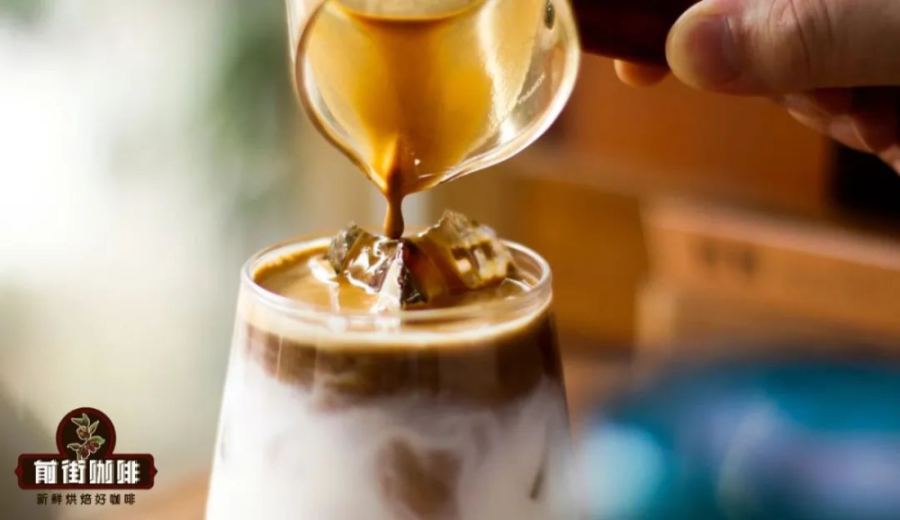
Introduction:Do hot and iced coconut milk lattes often taste drastically different? This article delves into the compositional changes of thick coconut milk when heated, analyzes the main causes of cloying sweetness, sourness, and flavor separation, and provides practical tips on formulation and milk frothing techniques. Whether you want to recreate café-quality coconut milk lattes at home or are aiming for more consistent latte art results, you’ll find key guidance here.
On a hot summer day, a refreshing and creamy iced coconut milk latte is a delightful treat. But when you try to enjoy it as a hot beverage in cooler weather, you often find the flavor significantly diminished — the sweetness becomes overly rich, the inherent richness and aroma of the coffee are masked, and an unexplained sour note may even emerge, throwing off the overall balance. What’s the issue? This article explores the composition and heating reactions of thick coconut milk to explain the reasons behind the flavor differences between hot and iced versions, and shares how to achieve a well-balanced, smooth-tasting hot coconut milk latte through proper formulation and milk frothing techniques.
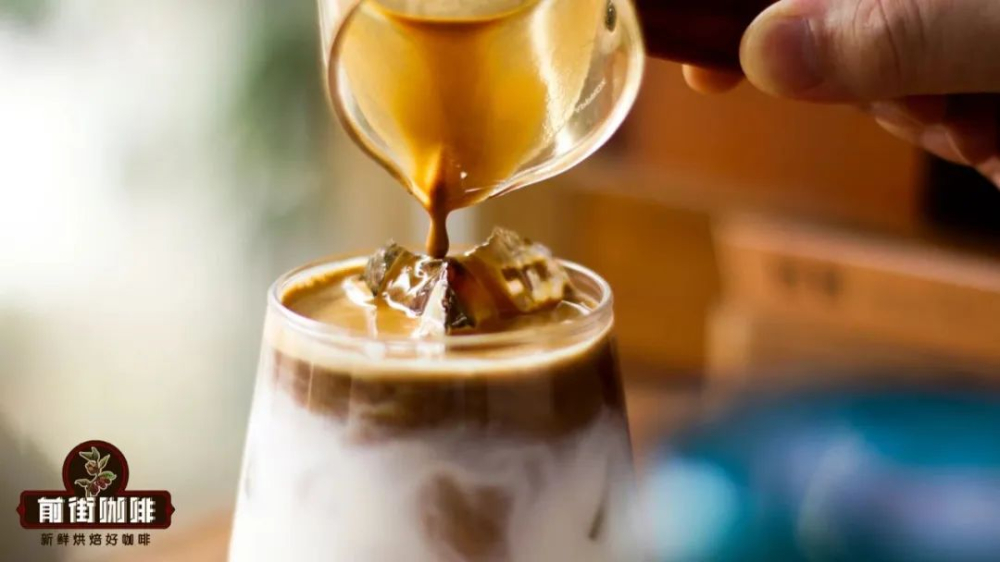
Iced coconut milk lattes have long been a popular creative coffee drink, especially cherished in the summer for their refreshing quality and intense coconut aroma. However, many coffee enthusiasts encounter unexpected flavor shifts when conducting “heating experiments.” In particular, when attempting to heat the coconut milk similar to how a hot latte is prepared, issues such as excessive sweetness, the coconut flavor overpowering the coffee, or even a subtle sour taste can arise — all closely related to the characteristics of thick coconut milk.
Thick coconut milk is primarily made from pressed coconut flesh and is formulated specifically for beverage use, often with added sugar and hydrogenated fats to enhance smoothness and better integration with coffee. However, these additives also affect its stability when heated. When thick coconut milk is heated to high temperatures, the fat tends to separate from the water, forming suspended particles, while the proteins denature due to the heat, making the liquid thicker and potentially affecting the stability of the milk foam during latte art.
Additionally, the pH level of thick coconut milk can shift with rising temperatures, further triggering mild acidification. This is why many people perceive an off-putting sourness in hot coconut milk lattes, especially when the drink is served too hot or left to sit for a while. At the same time, sweetness becomes more pronounced when heated, and without proper balancing, it can easily make the entire beverage overly sweet and cloying, losing the intended balance with the coffee.
To address these issues, one of the most practical solutions is to add a moderate amount of fresh milk and heat it together with the thick coconut milk. This approach offers several benefits: it effectively reduces the cloying sweetness of the thick coconut milk, helps round out the overall flavor profile toward a smoother, nutty, and creamy tone, and slows down acidification, thereby improving the overall stability of the drink.
Practical testing has shown that in a 300ml serving, using a double shot of espresso (about 36ml) along with 240ml of a mixed base (half thick coconut milk and half fresh milk, i.e., 120ml each) achieves the best flavor balance. The process involves first extracting 36g of espresso with 20g of coffee grounds into the cup, then mixing 120ml of thick coconut milk with 120ml of fresh milk in a pitcher, followed by frothing the milk to the appropriate texture, and finally completing the pour and latte art.
When frothing the milk, it’s recommended to control the aeration time between 4 to 5 seconds to create a thicker foam, which aids in producing clear, stable latte art patterns. The heating temperature of the thick coconut milk and fresh milk mixture should also be noted: if you prefer a stronger coffee flavor, aim for a temperature of 45–50°C; if you’d like the coconut aroma to stand out more, you can slightly increase the temperature to 50–55°C.
It’s important to note that even with the above adjustments to improve hot drink flavor and latte art performance, the foam made from a mixture of thick coconut milk and milk is still prone to deflating quickly, with patterns potentially blurring or collapsing within just a few minutes, affecting visual appeal. Therefore, if you’re particularly concerned about the longevity and appearance of your latte art, consider presenting the drink in Dirty style — pouring the espresso directly over the warm mixture of thick coconut milk and fresh milk. This method preserves the flavor layers while avoiding issues with milk foam stability, offering another visually striking alternative.
The above content is compiled by CoffeeHunters, a coffee news website.


