








Introduction:Delve into the Ethiopian Yirgacheffe Worka Washed G1 coffee bean — from the unique microclimate of its high-altitude growing region, the background of the Worka Cooperative, to the washed processing method and refined roasting profile. This article thoroughly breaks down how this internationally renowned G1-grade coffee develops its captivating flavors of lemon, kumquat, and white grape. Practical pour over and cold brew parameters are also provided to help you perfectly recreate its professional-level flavor complexity.
Yirgacheffe is not just a small town in Ethiopia, but also a flavor sanctuary in the hearts of specialty coffee enthusiasts worldwide. Nestled at an altitude of 1,700 to 2,100 meters above sea level, the coffee here is famed for its distinctive citrus, floral notes, and bright acidity. Although administratively part of the Sidamo region, Yirgacheffe is considered an independent producing area due to its exceptionally standout flavors. It includes sub-regions such as Wenago, Kochere, Gelena, and Abaya, giving rise to countless high-quality micro-lots.
Coffee in this region is mostly grown in traditional, garden-style farms, cultivated in smallholders’ backyards or intercropped fields. Though yields are low, the quality is exceptional. Due to the lack of personal processing facilities, most farmers deliver their fresh cherries to centralized processing stations. As a result, community-based processing cooperatives like Worka play a crucial role in quality control and flavor development.
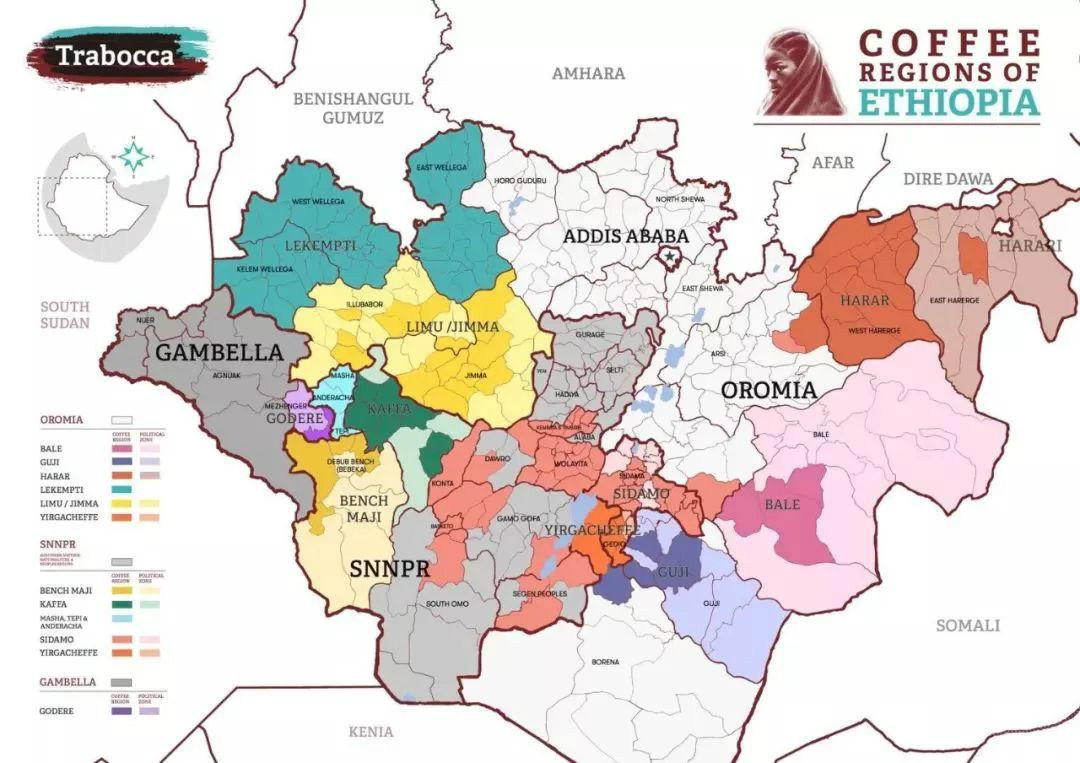
The Worka Washed G1 coffee introduced in this article comes from the local Guji Dingding Cooperative and is of the Ethiopian Heirloom variety, boasting an extremely high level of varietal diversity. This type of variety encompasses a vast genetic pool, including natural mutations and hybrids of Typica, Bourbon, and Mocha, with many still uncategorized. These heirloom varieties, grown at high altitudes and within unique microclimates, produce an outstanding balance of sweetness and acidity along with remarkable aromatic expression — one of the key elements that shape the flavor profile of Yirgacheffe.
This Washed G1-grade coffee represents top-tier quality with an exceptionally low defect rate. In Ethiopia’s grading system, washed beans are classified as G1 and G2, with G1 being the highest grade, signifying nearly “zero defects” and outstanding cupping quality. Compared to the bold fruitiness of natural-processed beans, the washed process — which involves removing the pulp and fermenting to remove mucilage — delivers a cleaner, brighter acidity, along with delicate citrus, floral notes, and a light sweetness.
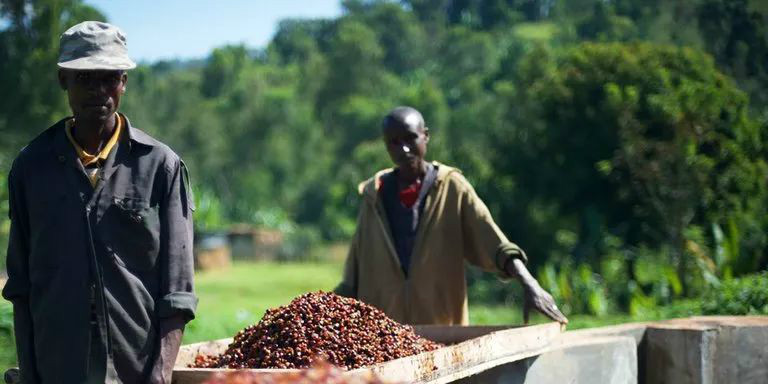
In terms of processing, this coffee undergoes a standard washed method, fermenting in tanks for about 72 hours to remove the mucilage, followed by washing and drying on African beds or concrete patios. The drying process requires strict control of temperature and turning frequency to ensure stable moisture content, further preserving the beans’ clean characteristics and refined flavors. This processing method results in a purer acidity and allows subsequent roasting and brewing to more clearly highlight the coffee’s potential.
During the roasting phase, this Yirgacheffe Worka G1, due to its high bean density, requires a medium-high heat initiation, with adjustments to the air damper and heat after the yellowing point (around 5 minutes 30 seconds) to guide the Maillard reaction smoothly. First crack typically begins around 186°C, and it is recommended to control the heat before this point to avoid over-development leading to burnt bitterness. Finally, the coffee is dropped at approximately 194°C, about 1 minute and 40 seconds after the start of the first crack’s dense phase, resulting in a product with balanced acidity and sweetness, and a well-defined flavor layered structure.
Once roasted, this coffee exhibits a bright acidity of lemon and kumquat, paired with the juicy sweetness of white grapes, along with subtle jasmine and Asian pear floral notes. The finish leaves a creamy smoothness and a soft black tea-like sensation. Such a flavor combination makes it a must-try classic for pour over enthusiasts and single-origin coffee lovers.
For brewing recommendations, pour over or cold brew methods are suggested to best highlight its layered profile. For pour over, a three-stage pouring technique is advised: bloom with 30 grams for 30 seconds, then pour in 120 grams and 225 grams using low and medium-to-high water flow respectively. A total dose of 15 grams is recommended, with water temperature around 90°C, using a V60 filter and medium-coarse grind (approximately 3.5, equivalent to Japanese Hario R440). These parameters clearly express the early-stage fruit acidity, mid-stage sweetness, and late-stage aftertaste.
If you prefer cold brew, you can also try using a coarse grind and room-temperature water for a slow extraction over 12 to 16 hours, which highlights its refreshing citrus character and tea-like qualities. Additionally, ice drip brewing can be attempted, paired with Costa Rican honey-processed beans, to create a more complex and layered flavor experience.
In summary, the Ethiopian Yirgacheffe Worka Washed G1 is more than just a coffee — it is a flavor symphony composed of high altitude, masterful processing, and careful roasting. Whether you’re a beginner or a seasoned coffee enthusiast, this bean offers delightful surprises and serves as an excellent entry point to exploring the charm of Ethiopian Heirloom varieties.
The above content is compiled by CoffeeHunters, a coffee news website.


