








Introduction:Yirgacheffe is an entry-level specialty coffee for many, renowned for its distinctive bright acidity and floral notes. This article explores the region’s background, native variety characteristics, washed processing methods, and provides practical pour-over parameters and a three-stage brewing guide, so you can brew a clean and bright Yirgacheffe cup at home.
Yirgacheffe is a well-known coffee-growing region in southern Ethiopia, globally celebrated for producing high-quality specialty coffee. The beans from this area typically exhibit bright acidity, clear citrus and yellow lemon aromas, and a clean, soft aftertaste, making it a top choice for many coffee enthusiasts trying pour-over for the first time. What exactly creates Yirgacheffe’s unique flavor? This article will give you a comprehensive breakdown, from the growing environment and variety traits to processing methods and brewing suggestions.

Ethiopia is not only the birthplace of coffee but also still retains the world’s richest genetic repository of Arabica coffee. Local coffee farming is mostly carried out by smallholder farmers, with plantations scattered across forests, semi-forests, gardens, and small farms. Due to the diverse terrain and climate, Ethiopian coffee flavors are highly layered and varied. As one of Ethiopia’s representative regions, Yirgacheffe, with its high altitude and unique microclimate, produces coffee with a highly recognizable personality.
Yirgacheffe is situated at an altitude of approximately 1,700 to 2,200 meters, with a cool and stable climate and significant day-night temperature differences, which help coffee cherries ripen slowly and accumulate rich flavor compounds. Originally part of the Sidamo region, it later became an independent specialty region due to its distinctive flavor profile. The area is often shrouded in clouds, with moist yet not damp air, along with moderate rainfall and well-drained soil, laying the foundation for the high quality of Yirgacheffe coffee.
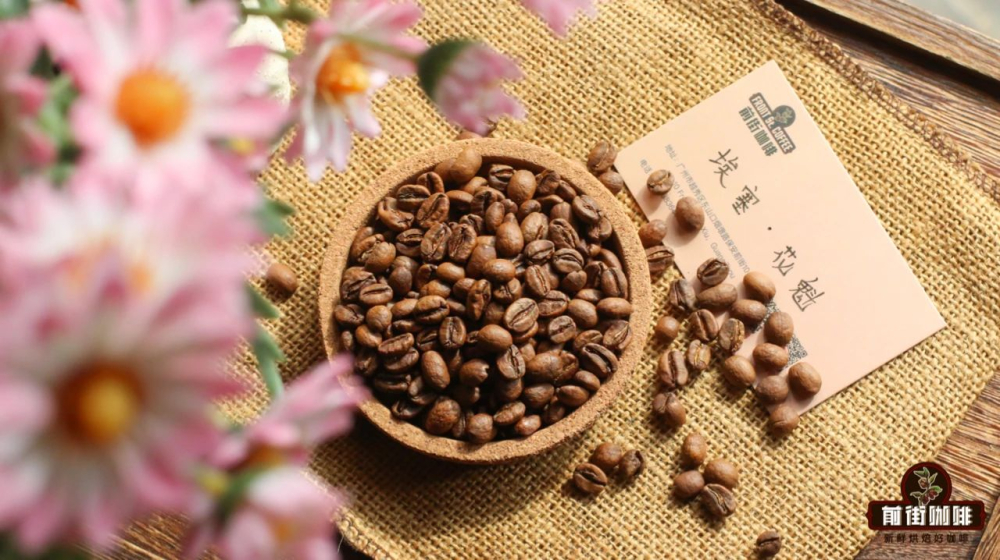
In terms of variety, like other Ethiopian coffees, Yirgacheffe mostly uses what is called “Heirloom.” This is actually a general term for the many local Arabica varieties in Ethiopia. Due to the vast number of varieties and the difficulty of classifying them individually, the government has not provided detailed variety labeling for commercially sold beans, based on reasons of ecological and genetic diversity protection. These heirloom varieties have evolved over centuries in the local soil and climate, forming flavor profiles with strong regional characteristics, which are also key to the unique floral and fruity notes found in Yirgacheffe coffee.
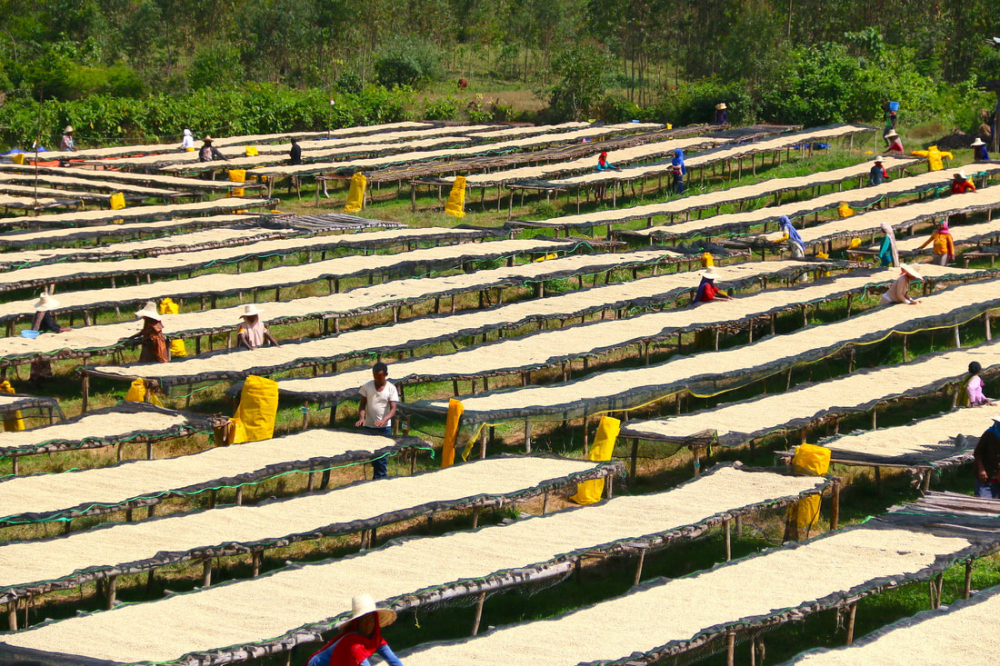
One of the main reasons Yirgacheffe coffee has such a refreshing and bright acidity is its use of the washed processing method. This method originated in Central and South America and was introduced and gradually promoted by the Ethiopian government in 1972. The washed process involves removing the pulp and mucilage layers before fermenting and washing the beans with clean water, effectively reducing defect rates and highlighting the coffee’s acidity and aroma. Compared to natural (sun-dried) processing, washed Yirgacheffe usually has a cleaner mouthfeel and more distinct citrus and white floral tones, making it suitable for drinkers who prefer a fresh flavor profile.
To brew Yirgacheffe at home that rivals café quality, mastering the correct pour-over parameters is crucial. Generally, it is recommended to use a medium-fine grind, roughly around 78% passing through a Chinese standard No. 20 sieve, similar in coarseness to fine sugar. This grind ensures that the flavors are fully extracted at a moderate water temperature without over-extraction. As for water temperature,it is recommended to be controlled between 92°C and 93°C, which helps bring out the bright acidity of citrus and lemon while preserving the refreshing layers reminiscent of floral tea.
In terms of brewing technique, the three-stage pouring method using a V60 filter cone is recommended. The spiral ridges of the V60 aid in the degassing of the coffee grounds, promoting the release and dissolution of acidic aromatic compounds. The suggested coffee-to-water ratio is1:15 to 1:16, which can be slightly adjusted according to personal taste preferences: if you prefer a stronger body, you can choose 1:15; if you want a clearer flavor with more pronounced sweetness, you can increase the ratio to 1:16.
Specifically, start with a bloom using twice the amount of water by coffee weight (for example, 30 ml of water for 15 g of coffee) for 30 seconds to allow the coffee grounds to fully expand and release aroma. Then, pour water steadily and finely in a circular motion from the center outward until you reach 125 g, pause briefly to let the coffee bed settle, and then continue pouring until you reach 225 g to complete the extraction. The total brewing time is recommended to be around 2 minutes; going too long can lead to over-extraction, resulting in unwanted bitterness or astringency.
Freshly brewed Yirgacheffe emits delicate aromas of honey and jasmine, and as the steam rises, berry fruitiness gradually emerges. Upon tasting, bright notes of lemon, citrus, and green tea dominate, with a crisp acidity that is not overly sharp. As the temperature drops, the aftertaste unfolds with berries, cream, and sugarcane notes, offering a clean, balanced mouthfeel with a pronounced sweetness, making it highly suitable for coffee lovers who enjoy fruity acidity and floral notes.
In summary, Yirgacheffe is not only a classic representative of Ethiopian coffee but also the first stop for many entering the world of specialty coffee. From the region’s altitude and climate, to the unique genetics of its native varieties, to the refreshing flavors brought by washed processing, each step contributes to its irreplaceable cup profile. With the right grind, water temperature, and brewing technique, you too can easily recreate that unforgettable bright acidity and floral-fruitiness at home.
The above content is compiled by CoffeeHunters, a coffee news website.


