







Introduction:Want to learn about the flavor profile and brewing tips of Brazil Cerrado Red Bourbon coffee beans? This medium-dark roasted bean, known for its low acidity and rich chocolatey notes, is a top choice for many coffee beginners entering the specialty coffee scene. This article dives deep into the natural conditions of the Cerrado region, the variety traits of Red Bourbon, the advantages of the semi-washed processing method, and practical Kono filter pour-over parameters to help you master the brewing secrets and flavor profile of this classic everyday coffee bean.
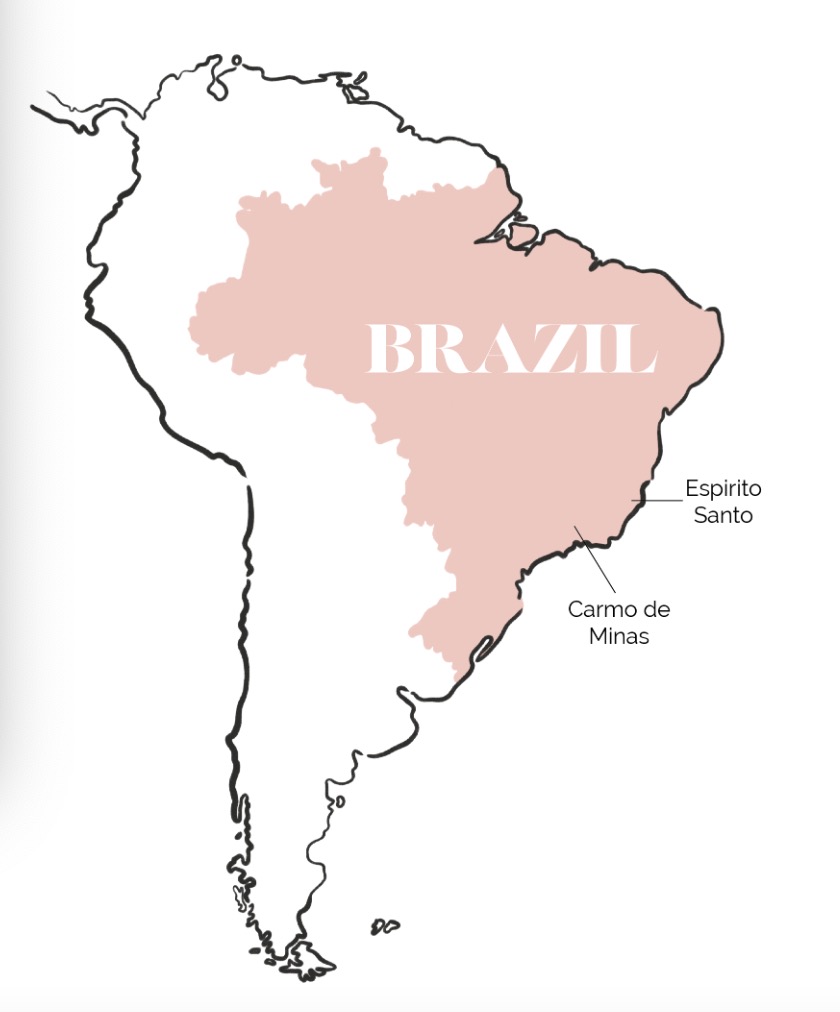
As the world’s largest coffee producer, Brazil’s coffee industry is not only massive in scale but also plays a pivotal role in the global market. Among its regions, Cerrado in the southern part of Minas Gerais stands out with its stable production capacity and unique flavor characteristics, making it one of the key representatives of Brazilian specialty coffee. In particular, the local Red Bourbon variety, with its low acidity, intense nutty and chocolatey tones, and excellent balance, is highly favored by consumers worldwide.
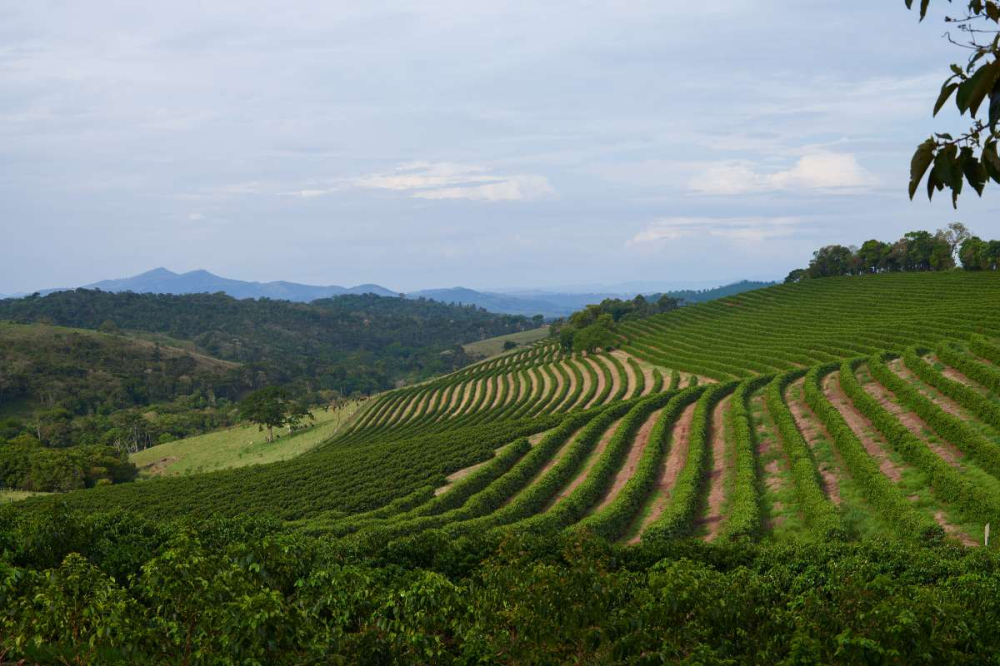
The altitude in the Cerrado region generally ranges between 1100 and 1300 meters, situated on the Brazilian plateau. The area features fertile soil and good drainage. Though not as reliant on shade-grown cultivation as some high-altitude regions, Cerrado employs sun-grown methods combined with its distinctive climate to produce a uniquely identifiable “Cerrado-style” coffee—low in acidity, full-bodied, with prominent nutty and caramel aromas, yet free from heavy earthiness or off-flavors.
It’s worth noting that Cerrado is not just a geographic name but also a strict regional certification standard. Only coffee grown in specific areas of central-western Minas Gerais at altitudes above 1100 meters qualifies to be labeled as “Cerrado coffee.” This certification system ensures a certain baseline of quality for beans from the region, particularly in terms of flavor consistency and purity.
In terms of processing, Brazilian Cerrado Red Bourbon is mostly processed using the “semi-washed method” (also known as semi-dry or honey process). This method originated from early Brazilian sun-drying practices, which were often hampered by unstable weather, leading to risks of fermentation, defects, or off-flavors. The semi-washed process involves first removing unripe cherries and impurities using water tanks, then stripping the outer skin and part of the pulp, followed by using a mucilage remover to eliminate the sticky layer on the seeds. This step not only shortens subsequent sun-drying time but also significantly reduces fermentation risks, making it especially suitable for regions with high humidity or frequent rainfall.
Brazil’s coffee grading system is clear and mainly based on defect rate, bean size, and cupping quality. Typically, consumers may see labels on green coffee sacks such as “NY2 SCR17/18 GOOD CUP.” Here, NY2 indicates the defect rate grade, 17/18 refers to bean size (approximately 6.7–7.15mm in diameter), and GOOD CUP affirms the cupping performance. Brazil uses a so-called “deduction method” to assess defect rates—calculating the number of defective beans per 300 grams of green coffee, with a score of 4 or below falling under the NY.2 grade, a common high-quality commercial bean. It’s important to note that while NY.1 represents zero defects, it is extremely rare and hard to supply consistently, so NY.2 has effectively become the benchmark for high-grade commercial beans in Brazil.
When it comes to the market positioning of Brazilian coffee, many mistakenly assume it’s only suitable for commercial-grade beans. In reality, though Brazilian coffee rarely showcases extreme flavor profiles in the specialty market, its stable balance and moderate body make it widely used as a base in espresso blends. Moreover, many roasters craft blends with “Blue Mountain-like” characteristics, where Brazilian beans are a key component. For coffee beginners, choosing a representative Brazilian everyday bean is an essential first step in understanding regional flavor profiles.
For brewing recommendations, Cerrado Red Bourbon beans shine when medium-dark roasted to highlight their full-bodied character. It is recommended to use the Kono filter for pour-over brewing. This filter, with its rib design concentrated at the bottom, allows the paper to fit more snugly against the brewer, thereby controlling water flow speed and extending the contact time between water and coffee grounds—helping extract more body and sweetness. The suggested water temperature is 88°C, ideal for medium-dark roasts, helping avoid over-extraction and unwanted off-flavors; grind size should be medium-coarse, around 75% extraction through a #20 sieve, with a brew ratio of 1:15—15 grams of coffee to 225 milliliters of water.
Here is the specific pour-over process: Begin with a 30-second bloom using 30 grams of water to awaken the coffee grounds; then pour in a small, circular motion. When the water reaches 125 grams, perform the first pour break. Once the water level drops slightly, continue pouring until the total water volume reaches 225 grams to finish the brew, keeping the entire process to around 2 minutes. These parameters work well for most medium-dark roasted Brazilian beans, effectively balancing acidity, sweetness, bitterness, and body.
The final flavor profile typically includes a notable sweetness paired with subtle lemony aroma; the body is dominated by rich nuttiness, while the aftertaste gradually transitions into a smooth dark chocolate note. The overall mouthfeel is round and layered. For novice coffee enthusiasts, this balanced and nuanced flavor profile is not only approachable but also helps develop sensitivity and appreciation for coffee details.
The above content is compiled by CoffeeHunters, a coffee news website.


