








Introduction:Cold brew coffee, with its refreshing low acidity and suitability for hot seasons, has become the go-to choice for many coffee enthusiasts during summer. This article delves into the brewing principles, key parameters, home preparation steps of cold brew, and recommends medium to light roasted beans ideal for cold brew. It also analyzes their flavor profiles and preservation tips, helping readers easily master the essence of this popular iced coffee.
Cold brew coffee (Cold Brew Coffee) has surged in popularity in recent summers. Its unique brewing method—steeping ground coffee in cold water for an extended period and then filtering it through paper or a filter—results in a smooth black coffee brewed at low temperatures. The low temperature and long extraction time are the two most distinctive features of cold brew, and it is precisely these that allow it to deliver a softer mouthfeel and lower acidity compared to hot-brewed coffee.
From a technical perspective, cold brew coffee can encompass various forms, including cold steeping, ice steeping, and ice drip, all of which are extraction techniques under low-temperature conditions. Regardless of the terminology used, the core principle remains the same: extracting the essence of coffee over an extended period at low temperatures. This method not only reduces the coffee’s sharp acidity but also preserves more sweetness and complexity.
How to make cold brew coffee? Home brewing process revealed
The barrier to making cold brew coffee is relatively low—all you need to master are the basic coffee-to-water ratio and steeping time to easily prepare it at home. Using a common base of 30 grams of coffee grounds with 360 milliliters of room temperature water, a coffee-to-water ratio of 1:12 is the golden ratio recommended by many coffee lovers based on practical testing.
In terms of grind size, since cold brew uses cold water for extraction—compared to regular pour over, where the water temperature is higher—the lower temperature means it’s advisable to adjust the grind to a slightly finer level, roughly close to the coarseness of fine sugar, with a standard sieve No. 20 passing rate of about 85%. This grind increases the contact area between coffee grounds and water, facilitating better flavor release.
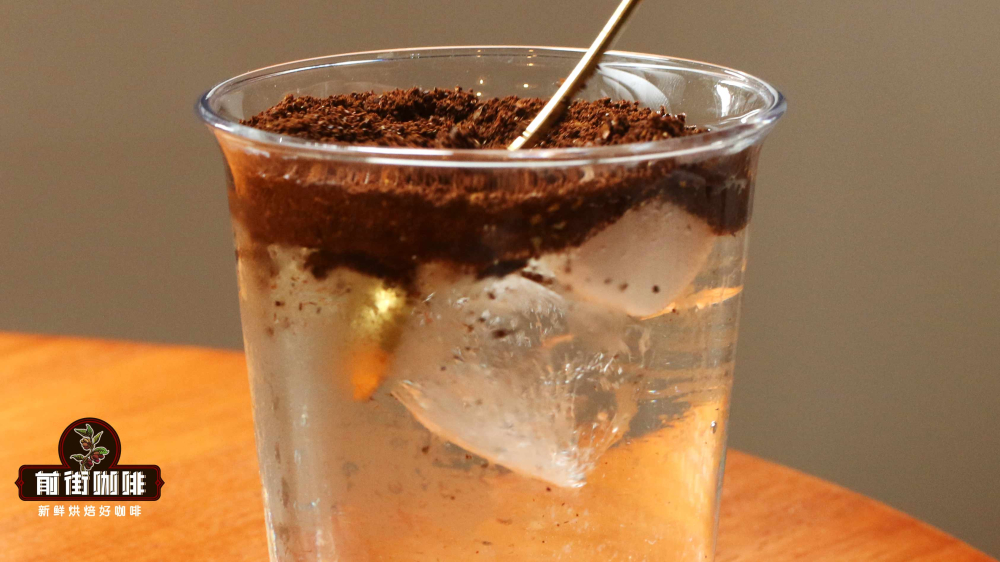
In terms of specific steps, first, place the coffee grounds into a clean glass container, slowly pour in room temperature water, and use a stirring stick or spoon to mix evenly, ensuring each coffee ground is fully saturated. Next, tightly seal the lid and place it in the refrigerator’s chilling compartment for **12 to 24 hours**. This period is crucial for cold brew and will directly affect the final richness and flavor expression.
Once the time is up, filter the coffee grounds using filter paper to obtain a clear and smooth coffee liquid. It is recommended to pour the filtered coffee liquid back into a clean sealed bottle and refrigerate for about 4 hours to allow the flavors to stabilize before enjoying.

Is longer cold brew time always better? Adjust moderately to suit personal taste
Many people wonder if cold brew tastes better the longer it steeps. The answer actually varies from person to person. The flavor profile of cold brew changes over time. With shorter steeping times, the coffee may taste more refreshing and have a simpler flavor layer. If extended beyond 20 hours, the fermentation note gradually intensifies, the concentration increases, and it gains more complex layers. Some people particularly enjoy this style with a hint of fermented aroma.
If you find the brewed coffee too strong, you can add a few ice cubes and let them melt slowly to naturally dilute the coffee liquid, achieving a smoother mouthfeel. However, it is advised to avoid excessively prolonging the extraction time to prevent over-extraction, which could lead to flavor imbalance.
Which coffee beans are suitable for cold brew? Medium to light roasts are the top choice
Not all coffee beans are suitable for making cold brew. Based on practical experience,medium to light roasted coffee beansare better able to showcase the advantages of cold brew, as they have brighter acidity, clearer flavors, and interact more easily with cold water to bring out fruity, floral, or sweet notes.
For those who prefer floral and delicate flavors, bean varieties with prominent floral characteristics are a good choice; if you enjoy acidic, sweet, and refreshing drinks, beans with black tea and berry notes are an excellent option. Additionally, coffees with strong juice-like qualities or showcasing tropical fruit flavors can also reveal unique charm in cold brew.
These different flavored beans can all pair excellently with the cold brew extraction method, delivering diverse yet captivating iced coffee experiences in summer.
Why has cold brew coffee become a popular summer drink?
Cold brew coffee stands out in the summer mainly due to the following three advantages:
First, its brewing method is simple, requiring no complicated equipment. Just prepare coffee beans, cold water, and a sealed container, and refrigerate to complete the process—it’s very suitable for making at home.
Second, cold brew coffee offers high versatility. In addition to switching up different flavored coffee beans, you can freely combine various additives such as juices, dried fruits, or even creative ingredients like preserved plums to craft your own signature iced coffee blends.
Lastly, cold brew coffee has a relatively long shelf life. Once prepared and refrigerated, it generally stays fresh for about 5 days with proper hygiene, allowing you to continuously enjoy a stable and fresh taste. It’s perfect for summer consumption in large quantities or for preparing in advance.
In summary, cold brew coffee is not just a refreshing beverage but also a coffee experience that can be flexibly adjusted to suit individual tastes. By understanding its basic principles and brewing details, anyone can easily enjoy the charm of this popular iced coffee at home.
The above content is compiled by CoffeeHunters, a coffee news website.


