







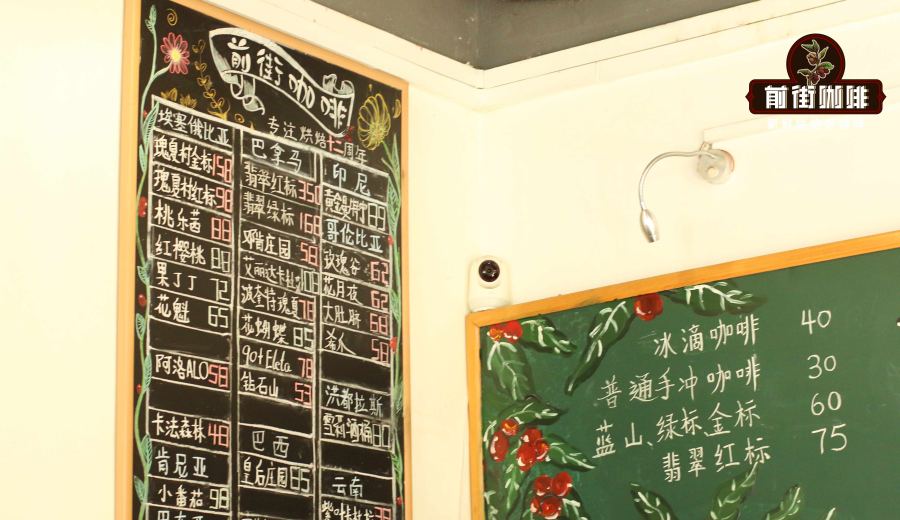
Introduction:Yirgacheffe is renowned for its distinctive bright acidity and floral-fruit aromas, but pour-over brewing often results in issues like astringent sourness, lack of aroma, or woody undertones. This article delves into the core factors influencing flavor, including bean freshness, water temperature, grind size, and the three-stage pouring technique. It also compares the characteristics of washed and natural processing methods, providing practical extraction parameters and detailed steps to help you brew a well-layered, aromatic Yirgacheffe at home with consistent results.
Yirgacheffe is the dream bean for many coffee enthusiasts—its crisp, bright acidity paired with vibrant, freshly squeezed yellow lemon-like aromas, along with a clean, defect-free mouthfeel, makes it a representative of African specialty coffee. However, many people brewing at home only taste a thin sourness, lacking the expected floral-fruit notes, or even an unpleasant woody finish. How do you solve these common problems? We’ll break down the key elements affecting flavor, starting from the beans’ inherent characteristics.

The reason Yirgacheffe has such a distinct personality lies not only in Ethiopia’s unique high-altitude and microclimate environment but also in the washed processing technique introduced by the government in 1972. Compared to traditional natural processing, the washed method controls fermentation and washing processes, effectively reducing defect rates while highlighting citrusy acidity and delicate floral notes, resulting in a cleaner, brighter, and more layered overall flavor.
In the washed Yirgacheffe process, farms need to install specialized washing tanks and systems that supply stable, flowing fresh water, which increases production costs. However, this yields a more consistent and elegant cup profile. If you’re new to pour-over brewing, it’s recommended to start with washed Yirgacheffe—not only is it easier to master, but it also better showcases its classic fruity acidity and floral tonalities.
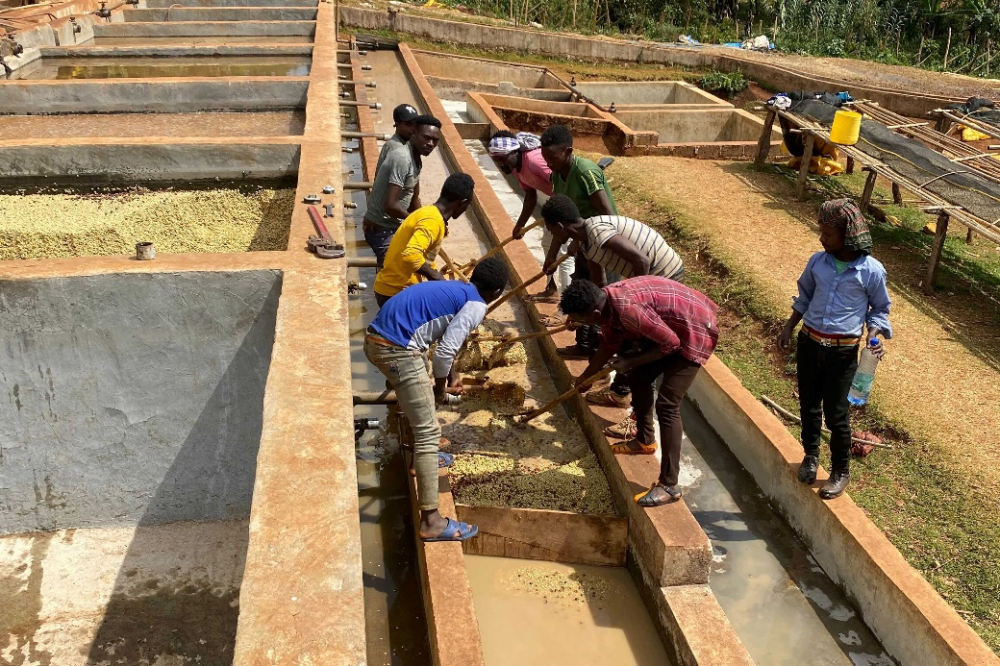
Of course, naturally processed Yirgacheffe has its own unique charm. In recent years, Ethiopia has put more attention to details in the natural process, enhancing uniform drying and manual sorting, resulting in more balanced fermentation flavors, often accompanied by tropical fruit, wine-like, or even honey-like sweetness. If you prefer a richer, fuller-bodied, and more complexly fermented taste, naturally processed Yirgacheffe is a great choice.
Some readers have reported that their home-brewed Yirgacheffe often only has a sharp sourness, lacking the rich aromas they experience when tasting it at cafes. In reality, brewing a good cup of Yirgacheffe depends critically on every step—from bean freshness, water temperature, grind size, to pouring technique.
First,the freshness of the coffee beansdirectly affects aroma expression. It’s recommended to use beans roasted within 5 days to ensure full flavor. A certain brand’s Yirgacheffe is roasted within 5 days and shipped quickly, so consumers can start brewing almost immediately upon receipt. If the beans are left for more than two months, the aroma molecules largely dissipate, and even the best extraction techniques may not salvage the flavor.
For water temperature, since Yirgacheffe is lightly roasted, it’s recommended to use water at 92°C to 93°C, which can fully extract its floral-fruit aromatic compounds and delicate acidity. If the water temperature is too low, the flavor compounds in the coffee won’t be adequately released, easily resulting in a flat or astringent taste.
As for grind size, it’s recommended to use medium-fine grind (about 78% through a #20 sieve, similar to fine sugar grains). Too coarse will lead to under-extraction and a thin flavor; too fine may over-extract at high temperatures, producing bitterness and suppressing aroma. Staying within this range allows for a better balance between acidity, sweetness, and body.
If your brewed Yirgacheffe lacks depth in flavor, it’s recommended to usethe three-stage pouring method, which allows different flavor compounds to be gradually released as the coffee bed temperature changes across stages. For specific operation, you can use a V60 filter, whose unique spiral ridges help with gas release from the coffee grounds, enhancing the volatility of acidic aromatic compounds.
Recommended brewing parameters are as follows:
- Filter: V60
- Water temperature: 92–93°C
- Coffee dose: 15 grams
- Coffee-to-water ratio: 1:15 or 1:16 (choose 1:15 for a stronger cup, or 1:16 for a lighter, fruitier profile)
- Grind size: medium-fine, about 78% through a #20 sieve (similar to fine sugar grains)
Three-stage pouring steps:
- Start with about 30 grams of water (twice the coffee dose) to bloom the coffee bed for around 30 seconds to help release aromas;
- Then pour slowly in small circles from the center outward until you reach 125 grams, then pause to let the coffee grounds settle;
- Once the water level drops to the middle of the filter, pour again with a fine stream until you reach 225 grams, with total brew time controlled around 2 minutes;
- Finally, remove the filter, gently swirl the coffee in the server, and you can start sipping from hot to cooler temperatures.
At different temperatures, Yirgacheffe reveals diverse flavor layers: at higher temperatures, it highlights lemon, green tea, and bright berries; as it cools, the aftertaste transitions to cream, sugarcane, and soft fruity-honey notes, with a clean, sweet finish and a crisp, clean lingering taste—perfect for slow, mindful sipping.
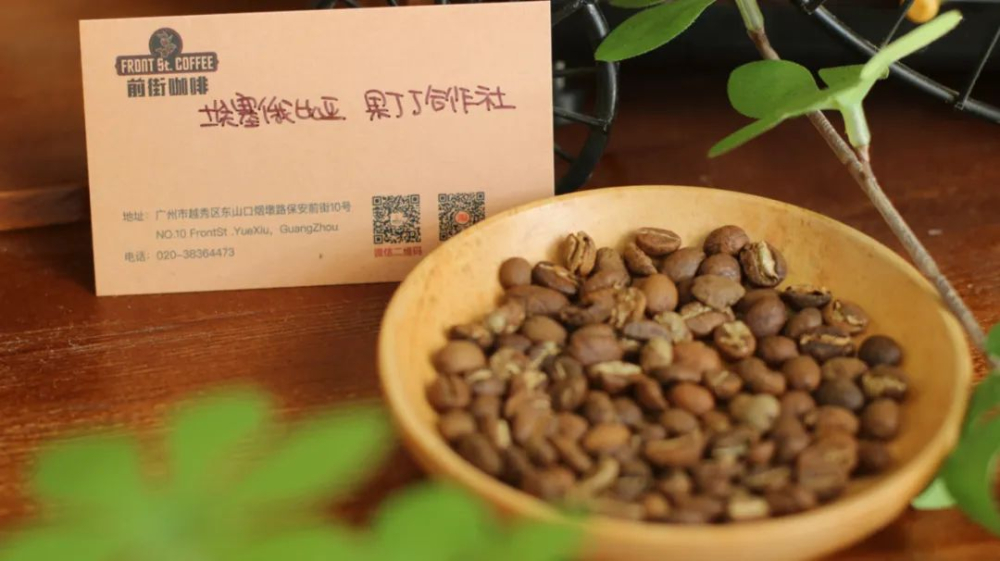
In summary, to consistently brew a representative Yirgacheffe at home, the key lies in:using freshly roasted beans, mastering the right water temperature, choosing an appropriate grind size, and applying the three-stage pouring technique. Through these fine adjustments, you can not only avoid common issues like astringency and woody tones but also fully showcase its delicate floral-fruity aromas and bright acidity, enjoying a well-layered, flavorful African specialty pour-over coffee.
The above content is compiled by CoffeeHunters, a coffee news website.


