








Introduction:A deep comparison of the characteristics between Ristretto and regular Espresso, explaining the key differences in extraction time, coffee liquid volume, and flavor profiles. Further explores how these two bases influence the final presentation of Flat White and Latte Macchiato, and provides practical ratios and extraction parameters to help coffee enthusiasts choose the appropriate espresso base based on taste preferences.
As specialty coffee culture expands globally, the various variations of espresso have become a focal point for many coffee enthusiasts. Among them, the comparison between Ristretto and traditional Espresso is often a topic of discussion among beginners and even professional baristas. These two seemingly similar drinks actually have significant differences in preparation methods, extraction ratios, and flavor profiles, which in turn affect the overall taste when paired with milk-based coffees such as Flat White or Latte Macchiato.
Definition and Extraction Characteristics of Ristretto
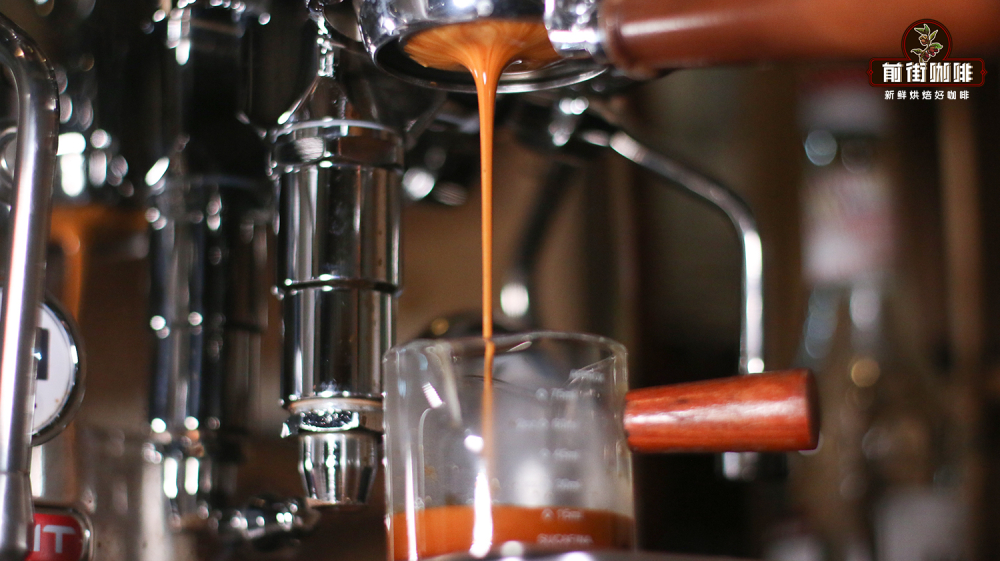
Ristretto can be considered a "concentrated version of Espresso." Its production process is largely the same as that of standard Espresso, but the key lies ina shorter extraction time and a smaller volume of coffee liquid. For example, using 20 grams of coffee grounds, a standard Espresso typically yields about 40 grams of coffee liquid in approximately 25–30 seconds; whereas Ristretto only extracts about 30 grams of coffee liquid, with the time controlled within23–25 seconds. This extraction method reduces the release of later-stage flavor compounds, resulting in a more concentrated and intensely flavored coffee liquid.

Flavor Differences Between Espresso and Ristretto
Generally speaking, during the extraction of Espresso, the earlier stages release brighter acidic notes and sweetness, which gradually transition into a richer bitterness and body. However, because Ristretto shortens the extraction time,it primarily retains the fresher and more aromatic components from the early stage, reducing the excessive bitterness, harshness, and impurities brought by the later stage. As a result, the flavor is usually purer, more intense, with noticeably lower bitterness, though the body may be slightly weaker.
The Origins and Differences Between Flat White and Latte Macchiato
When discussing the impact of the espresso base on milk-based coffees, one cannot overlook the Flat White and its commonly known alias, "Latte Macchiato." The Flat White originated in Melbourne, Australia in the 1980s and subsequently gained widespread popularity in New Zealand and Australia. The most distinctive feature of this drink isits lower proportion of milk compared to Latte and Cappuccino, with the typical coffee-to-milk ratio ranging between 1:1.6 and 1:1.7, and using hot milk at around 55–60°C, creating a flavor profile that stays closer to that of the espresso itself.
In the preparation of Flat White, the New Zealand style tends to use a double Ristretto to achieve a richer and more robust taste, while the Australian version often uses a single shot of Espresso, resulting in a milder flavor similar to a Latte but with a thinner layer of foam. Regardless of the method, the most notable feature isthe significantly thinner foam layer compared to Cappuccino and Latte, allowing drinkers to more clearly perceive the layers of the espresso itself.
Should You Choose Ristretto or Espresso as the Base for Flat White?
If you prefer a milk coffee with a richer and more concentrated flavor, it is recommended to opt for a Flat White made with a double Ristretto. For example, using a parameter where 20 grams of coffee grounds yield 30 milliliters of coffee liquid in about 25 seconds, such an espresso typically presents intense flavors of dark chocolate, caramel, and cocoa, with a lingering aroma of roasted hazelnuts. When this 30 milliliters of Ristretto is mixed with 145 milliliters of hot milk, the overall flavor transforms into that of cocoa cookies, dark chocolate milk, and almond aftertaste, gradually revealing a nutty sweet note in the following sips.

Recommendations for Pairing Espresso Bases with Coffee Bean Roast Levels
Since both Flat White and Latte Macchiato emphasize the presentation of espresso crema and layered visual effects,it is not recommended to use overly light-roasted coffee beans, as they may result in insufficient crema, affecting both the overall taste and appearance. It is advised to choose medium-dark to dark roasted blends, such as combinations including Brazilian, Indonesian, and Vietnamese beans. These types of beans can extract a rich golden crema and deliver a smoky, bold base note, making them ideal for crafting high-quality Flat Whites or Latte Macchiatos.




The above content is compiled by CoffeeHunters, a coffee news website.


