








Introduction:An in-depth look at the origins of Flat White coffee, how it differs from a Dirty, and the correct ratio of milk to espresso. From the standard cup size of 180ml and an ultra-thin milk foam of just 0.5cm, to the key parameters of extracting 30g of espresso using 20g of coffee grounds, this guide will help you master the essence and flavor profile of this classic Australian milk coffee.
Since its inception, espresso has become the core of global coffee culture. As the “soul” of coffee, espresso serves as the base for all espresso-based drinks and has evolved into diverse forms across different cultures. In recent years, Flat White has emerged as one of the most talked-about trendy coffees, thanks to its unique milk foam thickness and rich taste.
The Origins and Characteristics of Flat White
The full name of Flat White is “Australian-style white coffee.” It originated in Melbourne, Australia in the 1980s and quickly gained popularity in both New Zealand and Australia, sparking a local milk coffee trend. Although it shares the same espresso base as cappuccino and latte, the key to Flat White lies in itsmilk foam that is only 0.5cm thick, sitting between that of a cappuccino and a latte, which helps highlight the aroma of the coffee itself.

This delicate and minimal milk foam creates a flat surface on top of the coffee, hence the English name "Flat White." A well-made Flat White should havea small amount of fine microfoamon top, while still allowing the crema of the espresso to be clearly visible. This results in a perfect blend of the coffee’s richness and the milk’s smoothness, delivering a bold yet not overly heavy taste.
The Difference Between Flat White and Dirty
Although both Flat White and Dirty are combinations of espresso and milk, their preparation methods and flavors are vastly different. Flat White usesabout 180ml of hot milk, paired withan ultra-thin milk foam of less than 0.5cm. The typical coffee-to-milk ratio is between 1:3 and 1:5, which allows the flavor of the coffee to stand out more prominently.
In contrast, a Dirty is made by pouringhot espresso directly into ice-cold milk, with a cup size of around 150ml. The contrast between hot and cold creates a layered taste, making it a simple yet dynamic coffee drink.
Making a Professional-Grade Flat White
Brewing a Flat White requires attention to numerous details, from coffee bean selection and grind size, to the temperature and foam thickness of the milk. Each step influences the final flavor. Below is the standard preparation process using a 200ml glass cup as an example:
- Ingredients and Parameters: 20g of coffee grounds are used to extract 30g of espresso within 22–25 seconds; 150ml of milk is steamed to 55–60°C with a milk foam thickness of about 3–5mm (visually no more than 0.5cm).
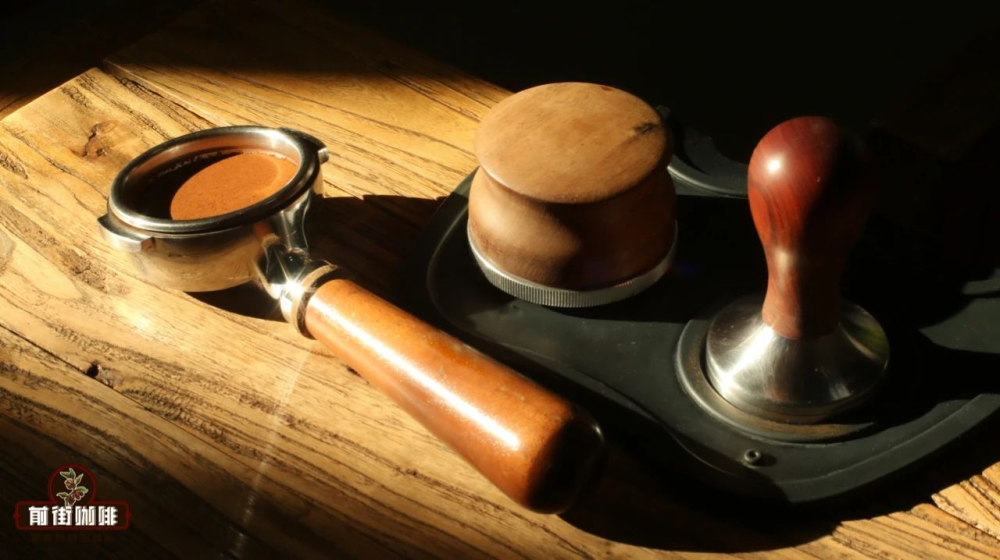
- Extraction Steps: Fill 20g of coffee grounds into a double-spouted portafilter, distribute the grounds evenly, tamp them down, and extract within 25 seconds to obtain 30g of espresso.
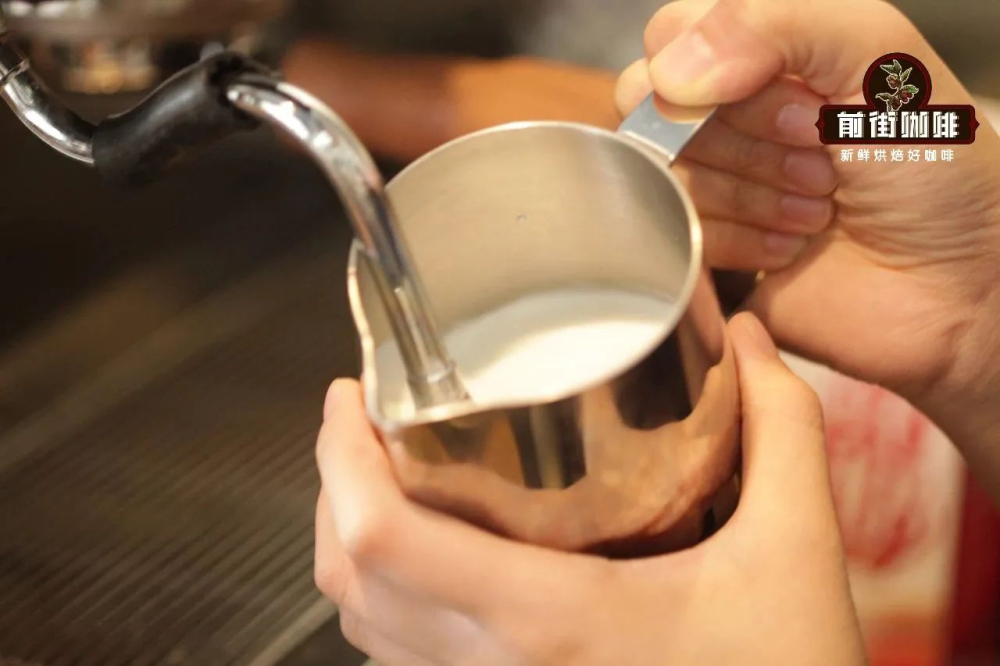
- Milk Steaming: Heat and steam the milk, ensuring the venting time is only 1–2 seconds. The steam wand should be inserted deep into the milk, maintaining a temperature of 55–60°C, with the milk foam being fine and smooth.

Common mistakes include overly thick milk foam, an imbalanced coffee-to-milk ratio, or insufficient extraction time leading to incomplete espresso flavors. Beginners are advised to first practice steaming with room-temperature water to get a feel for the process before moving on to hot milk.
Flavor and Coffee Bean Pairing Suggestions
The example in this article uses a classic Italian blend sourced from Brazil, Indonesia, and Vietnam, roasted dark to bring out flavors of dark chocolate, butter cookies, and nuts, which complement the bold style of Flat White. For those who prefer fruity acidity or lighter roasts, beans can be adjusted according to personal taste.
In summary, the charm of Flat White lies in its balance — the intensity of the espresso and the softness of the milk, along with an extremely thin layer of foam, allow every sip to highlight the nuances of the coffee. Master the right ratio and technique, and you can recreate this classic Australian drink at home.

The above content is compiled by CoffeeHunters, a coffee news website.


