








Introduction:Delve deep into Yunnan, China’s largest coffee-producing region. From its climate and terrain to the characteristics of its four core production areas, explore the traits of the Catimor and Typica varieties, and how the washed processing method shapes its balanced flavor profile dominated by notes of nuts and brown sugar. Drawing on actual cupping experiences, this piece reveals the unique charm and challenges of Yunnan coffee.
As the primary contributor to China’s coffee output, Yunnan alone accounts for over 98% of the nation’s total coffee production, making the development of its coffee industry highly noteworthy. This article will provide a detailed analysis of Yunnan’s climate and terrain conditions, major cultivated varieties, washed processing methods, and the characteristics of its four core production areas: Lincang, Baoshan, Dehong, and Pu’er. At the same time, through practical cupping experiences, it uncovers the flavor profile of Yunnan’s small-bean coffee, which is primarily characterized by notes of nuts, brown sugar, and cream, while also discussing its current development status and future trends.
Coffee trees have strict requirements for their natural environment, typically growing in tropical and subtropical regions within 25 degrees north and south of the equator. These regions require an annual rainfall of 1,500 to 2,000 millimeters, and the precipitation pattern must align with the coffee tree’s flowering cycle. Globally renowned coffee-producing countries such as Ethiopia, Colombia, Brazil, and Panama are mostly located within this latitude band. Notably, China’s Yunnan, Hainan, Taiwan, and Guangxi also fall within this range. In the past, Chinese coffee received little attention, but today, the quality of Yunnan coffee has become a focal point of discussion.
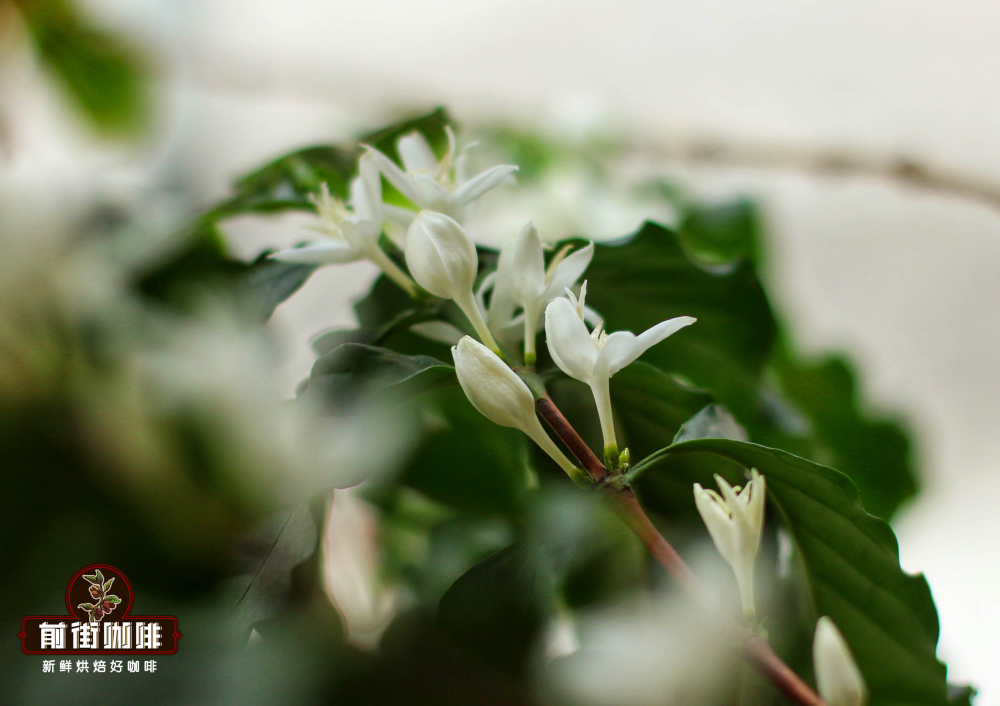
Yunnan is located on a low-latitude plateau with complex and diverse terrain. The province’s topography is higher in the north and lower in the south, with a north-south elevation difference of 6,663.6 meters. This terrain creates a significant temperature variation effect, which is highly beneficial for coffee tree cultivation. For example, unlike Brazil, where coffee is mostly planted on plains, coffee trees in Colombia often grow in high-altitude areas around the Andes Mountains. The high altitude and large temperature variations result in denser coffee bean texture and richer flavor layers in Colombian coffee. Similarly, Yunnan’s large diurnal temperature differences also help shape the unique flavors of its coffee, which is one of the reasons why coffee cannot be grown in some other regions at the same latitude. Additionally, Yunnan has abundant rainfall but distinct wet and dry seasons. Most areas receive an annual precipitation of about 1,100 millimeters, and there are significant day-night temperature differences. While this climate is conducive to the growth of various crops, the overly concentrated dry and rainy seasons may also lead to disasters.
Yunnan is China’s largest coffee-producing region, with a climate type that is very suitable for coffee tree cultivation. Over 98% of the country’s coffee production comes from Yunnan, with small amounts also grown in Sichuan and Hainan—where Robusta dominates—while Yunnan, Sichuan, and Taiwan mainly cultivate Arabica. Currently, Yunnan coffee is dominated by the Catimor variety, which thrives at altitudes between 800 and 1,800 meters. At higher altitudes, it is prone to frost damage, while at lower altitudes, its flavor is subpar. Most small-bean coffee is planted in dry-hot valley areas at around 1,100 meters altitude, where the climate conditions allow the coffee to develop rich and balanced aromas. After harvest, local farmers process the green beans using the washed method, which highlights brighter fruit acidity and a cleaner taste.
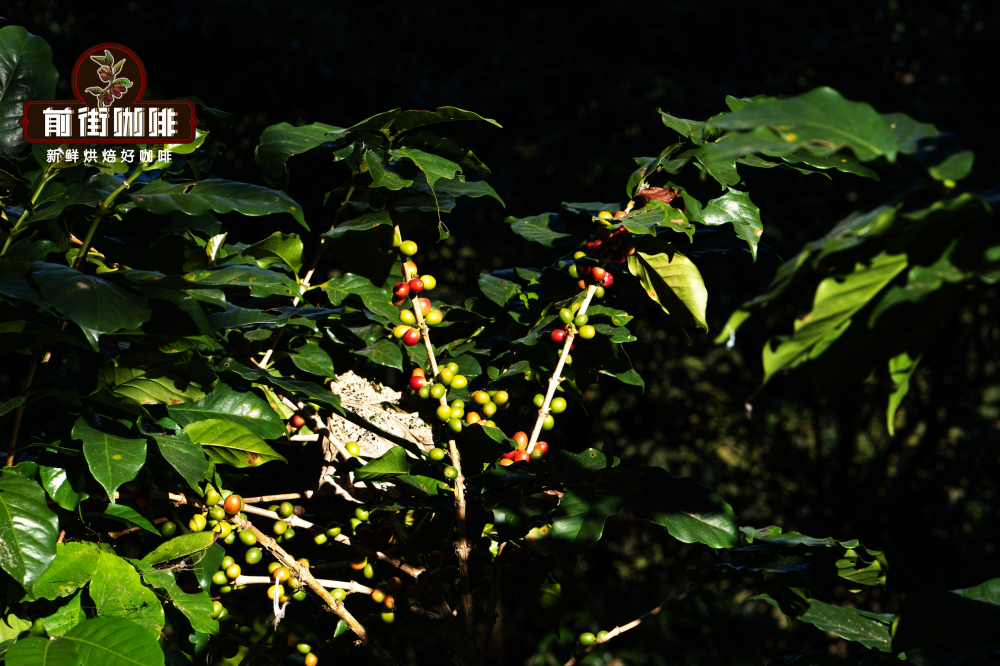
The steps of the washed processing method include: manually picking the coffee cherries, first screening the coffee fruit, then removing the pulp, followed by fermentation, washing, drying, and hulling. Farmers use a pulper to separate most of the pulp, then place the parchment-covered beans in clean water tanks for fermentation to thoroughly remove the remaining pulp layer. This processing method allows the coffee to present more pronounced fruit acidity and a purer taste. Practical cupping shows that Yunnan small-bean coffee has nutty dry fragrance notes, with prominent chocolate, nut, and cream flavors upon tasting, and a distinct brown sugar sweetness. The overall taste is well-balanced. The flavor profile of Yunnan-produced coffee generally does not emphasize acidity as the main note but instead highlights a base of nuts and brown sugar, showcasing a unique sense of balance.
Yunnan’s main coffee-producing regions include Lincang, Baoshan, Dehong, and Pu’er. Among them, Pu’er is an important coffee-producing region in China, with the largest planting area, highest yield, and best quality. It is also a key hub for international coffee trade. Baoshan is known for its small-bean coffee. In December 2010, Baoshan small-bean coffee received Grade A certification and was approved by the China National Standards Administration, being recognized as a product with a national geographical indication.
Yunnan coffee has also attracted the attention of international brands. For example, Starbucks launched its first single-origin coffee bean from China—“Starbucks Yunnan Coffee Beans”—which was released in limited quantities during the Lunar New Year period. These coffee beans are 100% sourced from high-quality Arabica coffee beans grown in Yunnan, and are the result of four years of collaboration between Starbucks’ Yunnan Coffee Farmer Support Center and local coffee farmers, symbolizing Starbucks’ long-term commitment and investment in the Chinese market.
However, the Yunnan coffee industry still faces challenges. Currently, the cultivated varieties are relatively limited, with Catimor being the dominant one, and the overall positioning leans toward the mid-to-low-end market. The industry model is primarily focused on cultivation, with small-scale and fragmented operations, over-reliance on the primary sector, and insufficient extension into the secondary and tertiary industries, resulting in low output value and limited overall competitiveness. To achieve long-term development, Yunnan coffee needs to pursue a premiumization path, which not only requires high-quality coffee beans but also efforts in government support, enterprise incubation, industry standard establishment, and brand building.

The above content is compiled by CoffeeHunters, a coffee news website.


