







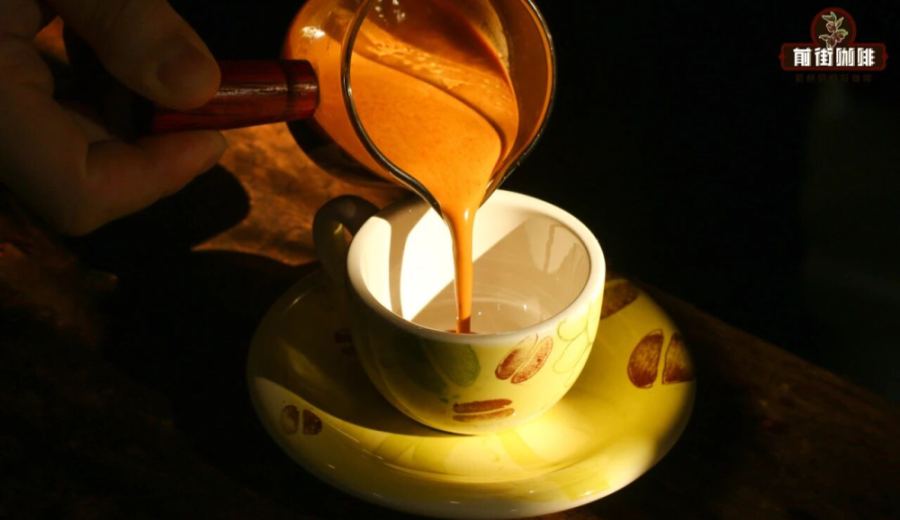
Introduction:Although both espresso and ristretto belong to the category of high-concentration extractions, they present distinctly different flavor profiles due to subtle differences in liquid volume and extraction time. This article delves into the extraction logic, equipment parameters, and taste characteristics of the two, and through practical operational data comparisons, helps you master the best pairings from classic milk-based coffees to flat whites. It also includes practical coffee-to-water ratio suggestions and reminders about common extraction mistakes.
Many beginners to espresso often wonder: what’s the difference between espresso and ristretto? In fact, although both originate from the same extraction system, they differ significantly in coffee-to-water ratio, extraction time, and final flavor expression. This article will start with the historical evolution of espresso, gradually analyze the unique positioning of ristretto, and through real-world test parameters under identical equipment conditions, visually demonstrate the contrast in taste details between the two. Whether you want to refine your home extraction skills or create a milk-based coffee with balanced flavors, you’ll find practical guidance here.
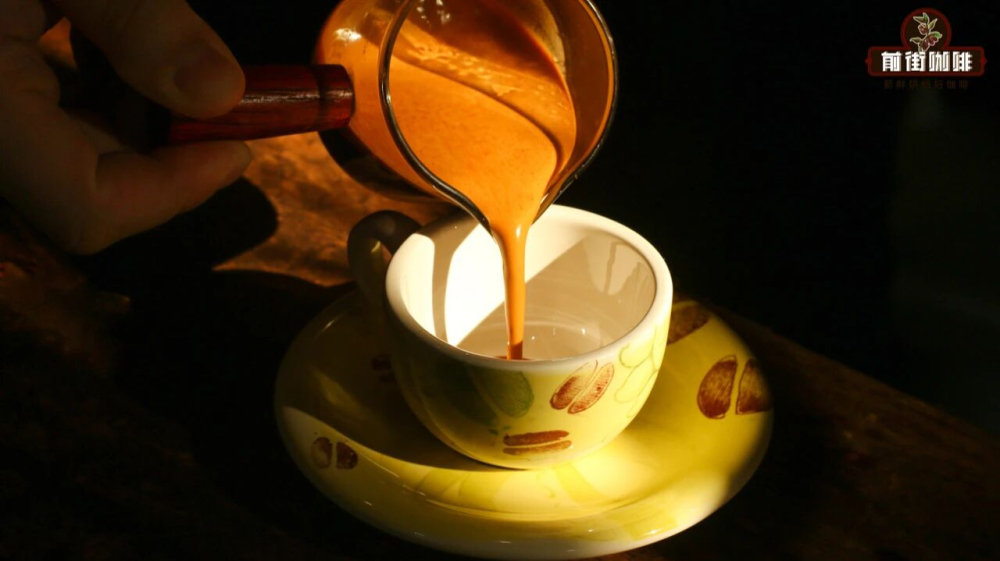
Espresso was born during the industrialization wave of the 19th century, when Italian society pursued efficiency above all else. This method of producing a highly caffeinated beverage through high-pressure, short-time extraction quickly became widespread. Early espresso focused more on its stimulant function, often using high-caffeine bean varieties. Coupled with immature roasting and extraction techniques, it commonly featured intense, burnt, and bitter flavors. As technology advanced, modern espresso has shifted toward emphasizing flavor delicacy and crema performance, requiring a rich and layered profile to be presented within a brief extraction window — from the strong initial impact to the lingering aftertaste, all must achieve balance.
The word ristretto comes from the Italian words for "restricted" and "narrow," essentially making it a more concentrated version of espresso. Using the same amount of coffee grounds, it has a shorter extraction time (typically reduced by about 25%) and yields less liquid (about 70% of an espresso), resulting in a higher coffee-to-water ratio. It’s important to note that this is not simply a “stronger” coffee. Instead, by shortening the extraction window, it concentrates the earlier-stage flavor compounds (such as fruity acidity and floral notes) while reducing the release of later-stage bitter substances, resulting in a cleaner and crisper taste profile.
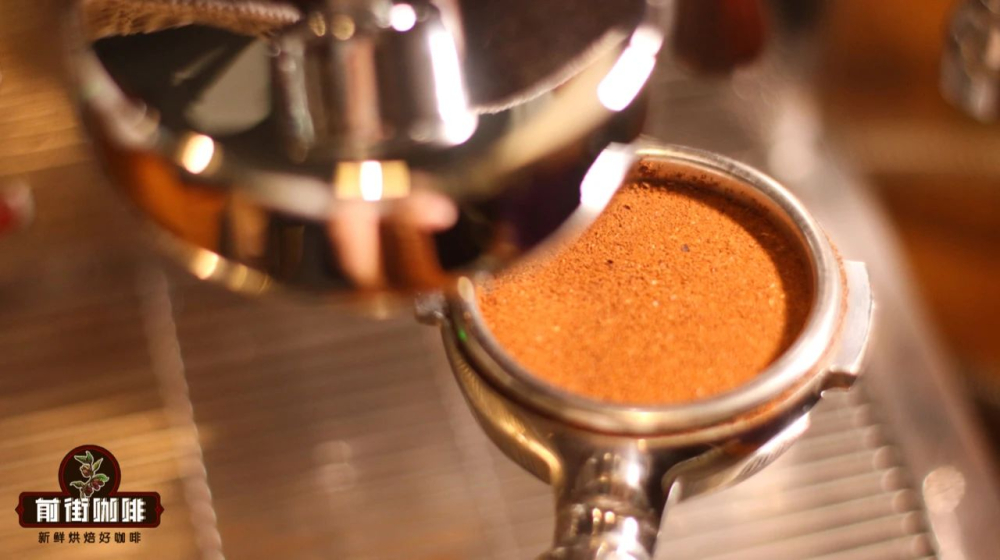
For home or café use, it’s recommended to prioritize medium-dark roasted blends. These bean varieties often combine characteristics from different growing regions, can stably produce rich crema, and are well-suited to high-pressure extraction. For example, a classic three-bean blend (Mandheling + Brazil + Vietnam) can deliver a balance of wild aroma and bold body; for users who prefer nutty notes, a formula with a high proportion of Brazilian beans can be considered. Its natural sweet bitterness and creamy chocolatey aromas provide a solid foundation for lattes or cappuccinos. Grind size should be adjusted according to machine pressure, with the goal of achieving a uniform golden crema as water flows through.
Test data shows: a standard espresso uses 20 grams of coffee grounds to extract 38–40 grams of coffee liquid in approximately 27 seconds. This setting effectively extracts dominant aromatic notes of butter, cocoa, and nuts, paired with moderate sweetness and a full body, making it very suitable for lattes or cappuccinos. Ristretto, on the other hand, reduces the dose to 20 grams of coffee grounds extracting 27–30 grams of liquid, with time controlled within 20 seconds. The shorter extraction process retains more early-stage acidic compounds (such as berry and citrus notes) and bright sweetness. The acidity is clear yet not sharp, and the aftertaste carries a soft, caramel-like finish, making it the ideal base for a flat white.
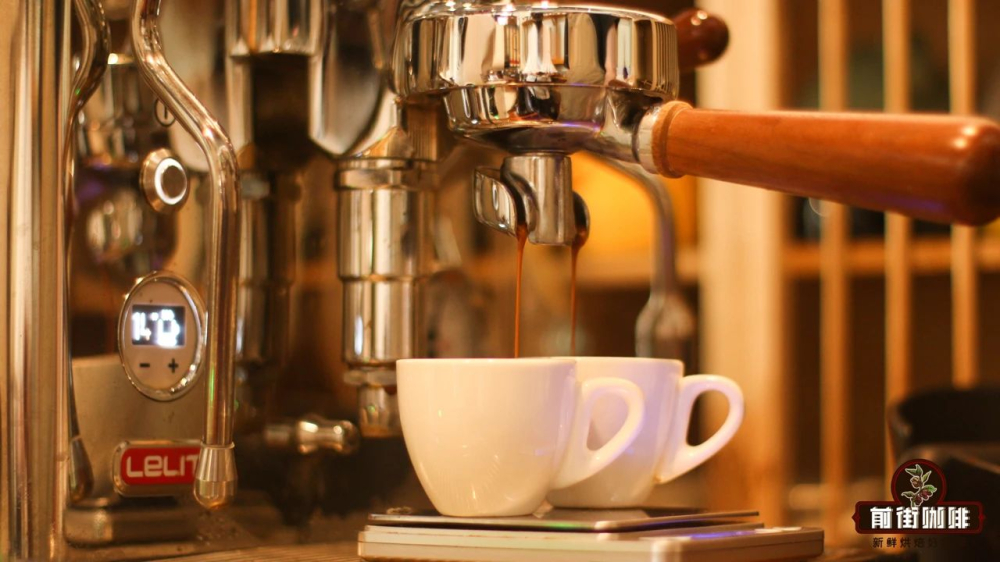
The key difference in flavor layers lies in the extraction stage: the soluble substances in coffee are distributed according to molecular weight. The early stage releases volatile acids and light sweetness, while the middle and later stages gradually release bitterness and heavy body. Espresso, with its complete extraction process, presents the full spectrum of flavors — transitioning from bright acidity at the start to caramel sweetness in the middle, and finally settling into the rich aftertaste of cocoa and nuts. In contrast, ristretto only extracts the first half, sacrificing some body but gaining a sharper flavor focus and a crisper taste, especially suited for drinkers who enjoy a balanced sweet-and-acid profile or seek the essential flavors of coffee itself.
Common mistake reminders: excessively extending the ristretto extraction time will increase liquid volume but degrade flavor quality. It’s recommended to strictly control the output volume. If using light-roasted beans for espresso series, be aware that high temperature and pressure may amplify overly sharp acidity. It’s advisable to preheat the equipment and monitor water temperature stability. With these details mastered, you’ll be able to flexibly adjust extraction parameters according to different milk coffee needs (for example, lattes require a bold base, while flat whites favor clear acidity) to achieve optimal results.
The above content is compiled by CoffeeHunters, a coffee news website.


