







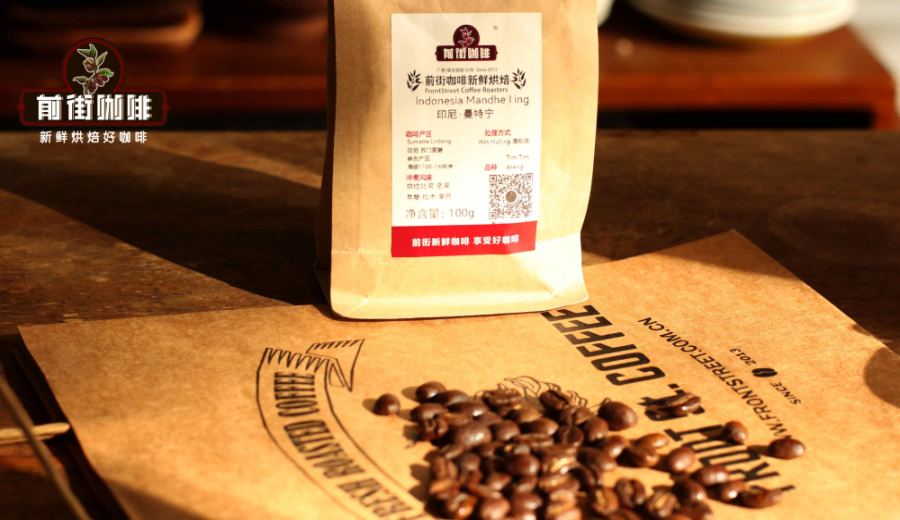
Introduction:Sumatran Mandheling coffee is renowned for its full-bodied richness and low acidity, making it a top choice for many coffee lovers who prefer deep, intense flavors. This article delves into the flavor characteristics of Mandheling from the Sumatra region, introduces its origin background and quality variations, and provides practical pour over grind size, water temperature, coffee-to-water ratio, and step extraction techniques—so you can brew a cup of aromatic, well-balanced classic Mandheling at home.
When it comes to Asian coffee, Sumatran Mandheling is undoubtedly an iconic presence. With its rich, low-acid profile and pronounced aftertaste, it is beloved by coffee enthusiasts worldwide, especially those who don’t favor strong fruity acidity. In particular, Mandheling from Indonesia’s Sumatra Island, with its unique herbal, woody, and earthy aromas, delivers a bold and layered taste, making it a favorite among serious coffee aficionados.
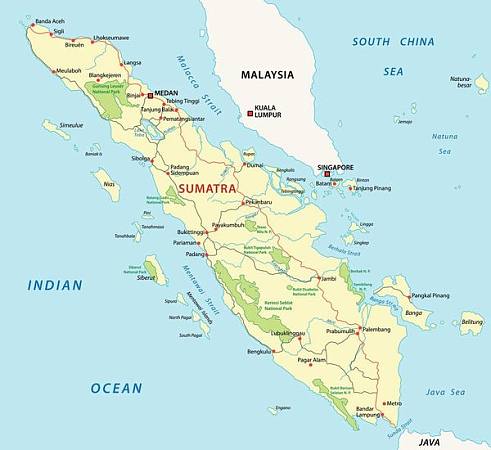
Mandheling is not the name of a coffee variety but originated as a brand name for coffee in Indonesia, later widely used as a synonym for Arabica coffee from the region. It gained fame even earlier than the renowned Jamaican Blue Mountain. The island of Sumatra, where it is produced, is the world’s sixth-largest island, with the Barisan Mountains rising over 3,800 meters above sea level. The complex geography, cool climate, and frequent fog create the unique terroir that defines Mandheling.
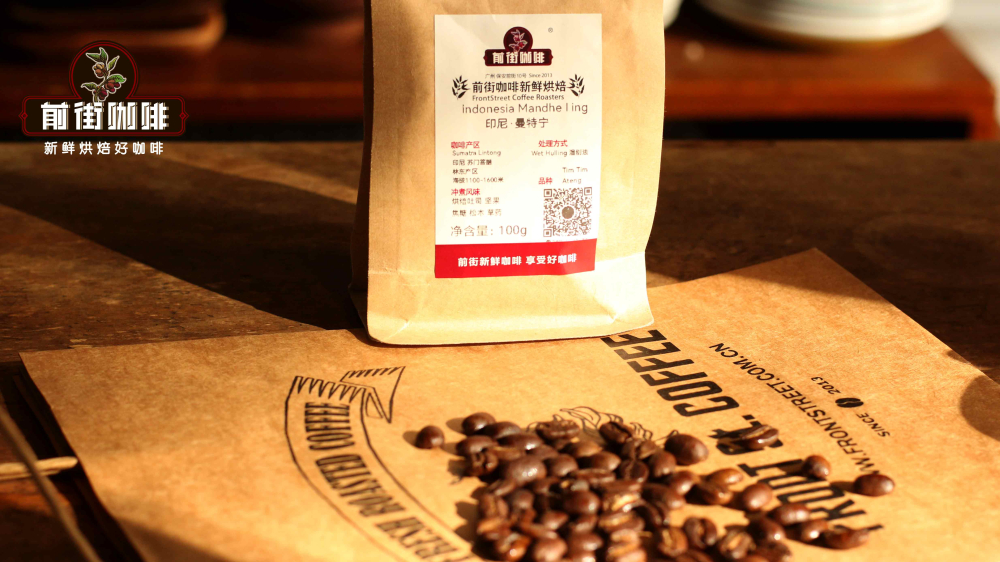
Sumatran Mandheling is commonly medium to dark roasted, and its flavor profile typically includes herbal, earthy, chocolatey, smoky, and caramel notes. These elements contribute to its low acidity, full body, and long-lasting finish. While many assume Mandheling appeals more to men, in reality, with the growing popularity of specialty coffee, an increasing number of female consumers are also appreciating its rich layers and profound taste.
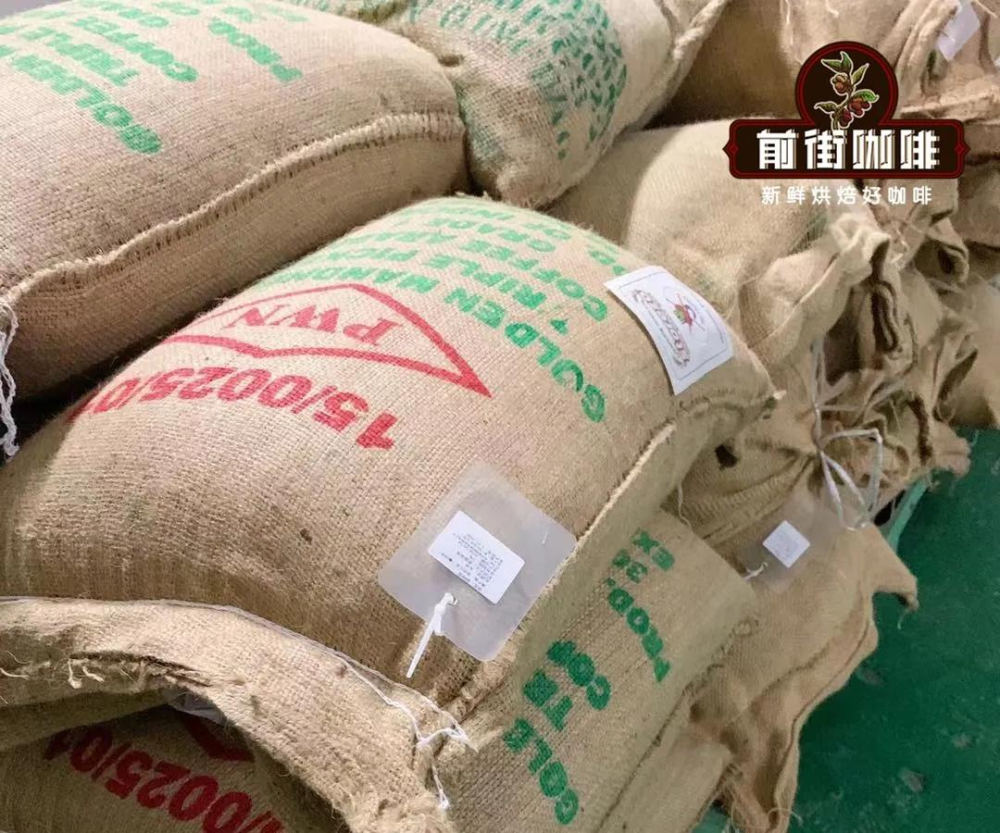
The most common types of Mandheling on the market fall into two categories: regular Mandheling and the higher-quality PWN Golden Mandheling. The former serves as a great entry-level option, showcasing a bold and rich foundational flavor, while the latter, selected under stricter standards, offers greater clarity and cleanliness in flavor, making it a must-try for specialty coffee enthusiasts.
PWN Golden Mandheling comes from PT. Perkebunan Nusantara VI (formerly known as NV. Pawani Medan, abbreviated as PWN), a company established in 1957. It was the first Indonesian trader to export Sumatran coffee to international markets such as Japan and played a key role in establishing the global recognition of the “Mandheling” name. PWN Golden Mandheling is not a coffee grading term but a registered trademark of the company, representing its strictly controlled high-quality product.
Golden Mandheling green beans must meet multiple high standards: bean size must be 19 mesh or larger, classified as the highest grade G1, and undergo multiple rounds of manual and machine sorting to ensure no more than three defective beans per 300-gram sample. These beans mostly come from the Gayo Highlands in Aceh Province, Sumatra, grown at altitudes between 1,100 and 1,600 meters, of the Ateng variety, and processed using Sumatra’s unique wet-hulled method, which imparts intense spicy and earthy tones.
Due to its meticulous selection process, PWN Golden Mandheling is usually medium to dark roasted to bring out rich chocolate, caramel, spice, and herbal aromas. Its full body and layered complexity make it suitable not only for pour over but also for French press, AeroPress, moka pot, and even home semi-automatic espresso machines, showcasing diverse flavor profiles.
For medium to dark roasted Mandheling, especially Golden Mandheling, it is recommended to use a Kono filter cone for pour over. The Kono cone features shorter ribs, so when water is poured, the filter paper adheres closely to the cup wall, reducing internal airflow and slowing the water flow rate. This helps extend the extraction time, allowing the coffee grounds to steep fully for a more even extraction and avoiding over- or under-extraction. Brewing at 86°C helps balance the coffee’s sweetness, body, and aroma expression.
The recommended grind size is similar to medium sugar granules, equivalent to about 70–75% passing through a Chinese standard No. 20 sieve. This range ensures the coffee grounds are neither too fine (which can lead to over-extraction and bitterness) nor too coarse (resulting in under-extraction). The coffee-to-water ratio is suggested at 1:15—for example, 15 grams of coffee to 225 grams of water—to highlight Mandheling’s full body and balanced character.
For actual pour over, a step extraction method is advised: start with a 30-second bloom using 30 grams of water to awaken the coffee grounds; then pour in small circles as the water level reaches 125 grams, pause to let the coffee bed dry slightly, and continue pouring until you reach 225 grams. Finally, let the water drain completely before removing the filter cone. The total extraction time should be around 2 minutes and 10 seconds to achieve a balanced and flavor-clear Mandheling cup.
Mandheling from different regions also exhibits distinct characteristics: Lintong Mandheling often features prominent herbal, chocolate, toasted bread, and caramel notes, with an overall well-balanced flavor; whereas Golden Mandheling highlights nutty, spicy, herbal, pine, licorice, chocolate, and caramel tones, delivering a cleaner, bolder, and more layered taste—perfect for further appreciating the deep essence of Sumatran coffee.
The above content is compiled by CoffeeHunters, a coffee news website.


